Sides for Burgers: 25 Best Crispy & Refreshing Cookout Sides
Introduction
The best sides for burgers provide a balance of textures and flavors that complement the richness of a grilled patty. Choosing the right sides for burgers transforms a simple main course into a well rounded, satisfying meal suitable for any gathering.
This article covers a diverse selection of twenty-five crispy and refreshing options designed to elevate your next cookout. You will find inspiration for easy vegetable sides for burgers, including creative alternatives to classic fried options. We include guidance on preparing healthy sides for burgers, such as using Greek yogurt as a substitute for mayonnaise in potato salad to lower saturated fat and increase protein content. Whether you are looking for cold side dishes for burgers or quick preparations using an air fryer, this guide offers practical ideas to help you move beyond traditional fries. Explore these cookout side dish ideas to find the perfect pairing for your next meal.
Balancing Flavors and Textures on the Plate
The ideal accompaniment to a burger provides a necessary counterpoint to the rich, savory nature of the meat. A well-chosen dish cuts through the fat of a patty, refreshing the palate between bites and turning a simple sandwich into a cohesive meal.
Texture plays a vital role in this experience. Because a burger features a soft bun and tender meat, incorporating a crunchy element creates a satisfying sensory contrast. Fresh, raw vegetables or crisp preparations provide this necessary bite, preventing the meal from feeling one-dimensional.
Pairing depends heavily on the specific profile of your main course. When serving a classic beef burger, acidic or vinegary options act as a sharp foil to the heavy, salty flavors. If you are preparing a spicy burger, cooling ingredients like cucumber salads or creamy dressings help neutralize the heat. For lighter veggie options, you might choose sides that offer earthy notes or bright, herbaceous qualities to complement the plant-based ingredients.
You can also adjust the nutritional profile of your meal through ingredient selection. For example, Greek yogurt can be used as a substitute for mayonnaise in potato salad to lower saturated fat and increase protein content. This simple swap allows you to enjoy traditional creamy favorites while maintaining a lighter feel during an outdoor cookout.
Consider these approaches when selecting your accompaniments:
- Use acidic dressings or vinaigrettes to slice through the richness of high-fat meats.
- Prioritize fresh, raw produce to introduce a crunch that mimics the experience of a fried side without the extra oil.
- Match the intensity of your seasonings; bold, spicy burgers often benefit from sides featuring cooling herbs like cilantro or dill.
- Integrate creamy elements through yogurt-based dressings to provide satisfaction without the heaviness of traditional fats.
Potato And Grain Salads

Potato and pasta salads serve as reliable cold side dishes for burgers because they balance the richness of grilled meat with hearty textures. Selecting the right potato variety is the first step toward a successful side. Starchy potatoes like Russets or Yukon Golds are ideal because they break down slightly during boiling, which allows them to absorb dressings more effectively while the pieces remain warm.
Improving Nutritional Density
You can adjust the health profile of these staples without sacrificing flavor. According to Oregon State University, Greek yogurt can be used as a substitute for mayonnaise in potato salad to lower saturated fat and increase protein content. This modification maintains a creamy consistency while offering a tangy profile that complements savory toppings. When exploring healthy sides for burgers, this swap serves as an effective way to lighten a meal that is already centered around a protein-heavy main course.
Preparation Strategies for Better Texture
Achieving the right consistency is vital for these dishes. A common mistake is overcooking the potatoes, which leads to a mushy salad that loses its structure when tossed with dressing. Boil your potatoes in salted water until they are just tender, then drain them thoroughly. For pasta salads, aim for an al dente texture so the noodles do not disintegrate during service. If you are looking for burger sides beyond fries, consider these preparation techniques:
- Incorporate chopped celery or red onion to provide a necessary crunch that offsets the soft texture of the potatoes.
- Use oil-based vinaigrettes instead of heavy mayonnaise or cream sauces to keep pasta salads light and refreshing during outdoor events.
- Toss warm pasta with a mixture of fresh herbs like parsley, basil, and chives to infuse every bite with vibrant flavor.
- Add halved cherry tomatoes and cucumbers to grain-based salads to increase volume and freshness without adding excessive calories.
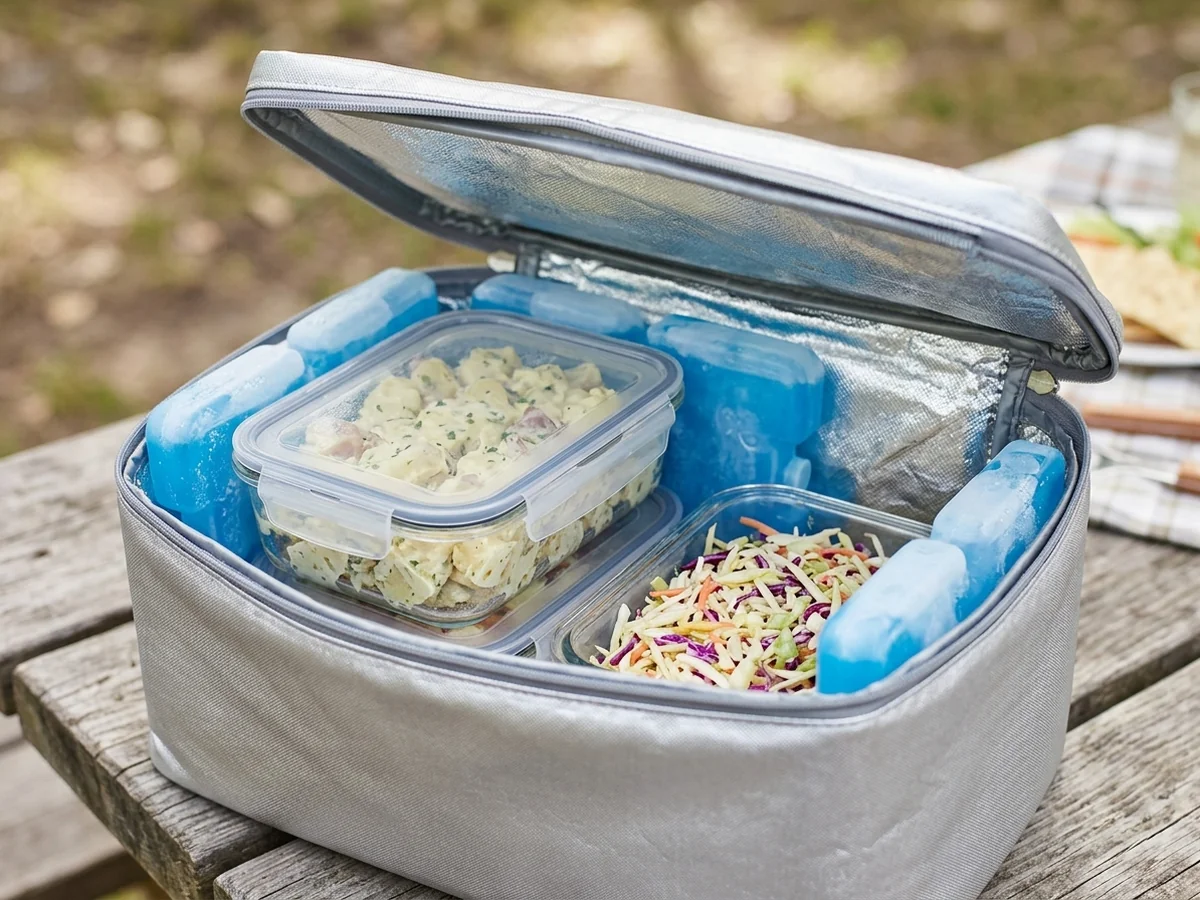
When planning your menu, remember that salads containing dairy or eggs require careful temperature control. Keep these dishes in a cooler or on ice if you are serving them outdoors to prevent spoilage. By focusing on fresh ingredients and lighter dressing bases, you can transform these classic cookout side dish ideas into vibrant, crowd-pleasing accompaniments that feel like a complete meal.
Vegetable Based Alternatives
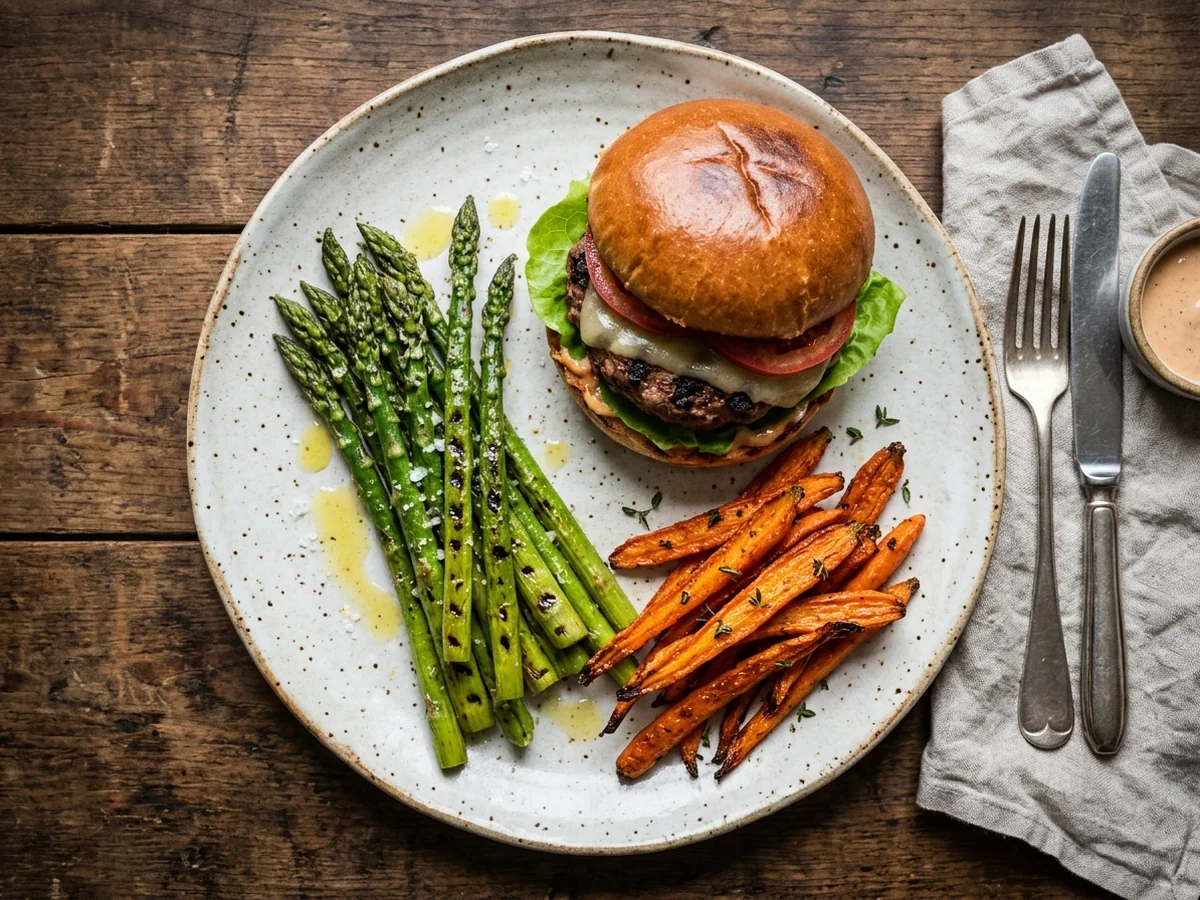
Moving toward vegetable-forward options creates a balanced meal that offers contrasting textures and flavors. While deep-fried potatoes are a classic, incorporating fresh produce provides a nutrient-dense alternative that keeps the menu feeling light. These options are particularly useful for backyard gatherings where guests may appreciate a break from heavy, oil-laden items.
Refining Your Salad Choices
Traditional salads like potato or macaroni salad often rely on mayonnaise, which can be heavy and requires strict temperature control during outdoor cookouts. According to Oregon State University, Greek yogurt can be used as a substitute for mayonnaise in potato salad to lower saturated fat and increase protein content. This simple swap effectively improves the nutritional profile of your cold side dishes for burgers. When preparing these salads ahead of time, always keep them chilled in a cooler or refrigerator to ensure food safety before serving.
Roasting and Air Frying Techniques
Achieving a satisfying crunch without a deep fryer is possible by adjusting how you prepare your vegetables. Roasted radishes are a popular choice among those seeking burger sides beyond fries. When roasted at high heat, radishes lose their sharp, peppery bite and develop a mellow sweetness that pairs well with savory beef or veggie patties. For a faster method, an air fryer can create a crisp exterior on zucchini, carrots, or green beans in minutes.
To maximize success with these easy vegetable sides for burgers, consider these practical tips:
- Ensure proper airflow in your air fryer by not overcrowding the basket, as this allows the vegetables to crisp rather than steam.
- Use a light coating of olive oil and coarse salt to enhance the natural flavors of root vegetables like carrots or radishes.
- Select hearty greens for slaw, such as broccoli or cabbage, as they maintain their structure longer when tossed in acidic vinaigrettes compared to delicate lettuces.
Managing Your Cookout Prep
Effective meal planning is key to keeping the cooking process manageable. Many vegetable-based sides can be prepped in advance. Chopping your produce and measuring out your seasonings before guests arrive allows you to focus on the grill. Because broccoli slaw is hardy, you can dress it early without worrying about the dish becoming limp. By focusing on these techniques, you can provide healthy sides for burgers that are both refreshing and reliable additions to any cookout menu.
Best Cooking Methods for Sides
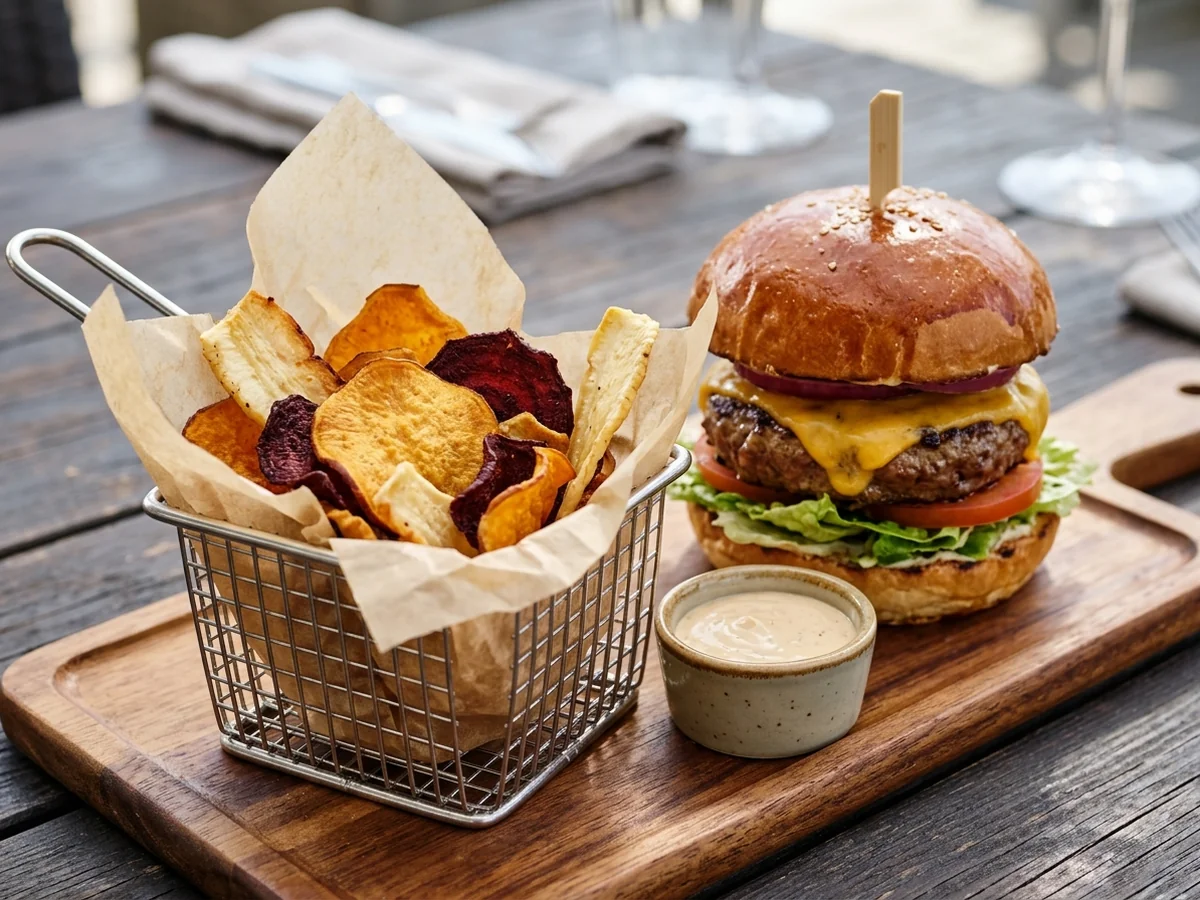
Selecting the right preparation method transforms simple ingredients into satisfying accompaniments for your meal. Whether you prefer the classic crunch of deep-fried options or the convenience of modern appliances, understanding the nutritional impacts helps you make informed choices.
| Preparation Method | Primary Benefit | Nutritional Note |
|---|---|---|
| Deep Frying | Texture and flavor | Higher fat content |
| Air Frying | Efficiency | Lower added oil |
| Grilling | Shared heat source | Charred flavor profiles |
Air frying offers a way to achieve crispy results while using significantly less oil than deep frying. While deep frying requires submerging ingredients in hot fat, air fryers circulate high-heat air to crisp the exterior. This process helps maintain a lighter profile while still providing the textures expected from popular burger accompaniments.
Grilling vegetables alongside your main course maximizes efficiency and infuses food with a distinct smoky flavor. By choosing items that require similar cooking times to your proteins, you reduce the need for multiple heat sources. Vegetables like asparagus, zucchini, or bell peppers benefit from the high heat of the grill, creating easy vegetable sides for burgers without cluttering your kitchen.
Reducing cookout stress starts with strategic preparation. You can assemble many chilled accompaniments, such as pasta or potato salads, several hours before guests arrive. When making potato salad, Greek yogurt can be used as a substitute for mayonnaise to lower saturated fat and increase protein content. Storing these items in the refrigerator until the last minute ensures they stay chilled and safe to serve.
Exploring burger sides beyond fries allows for a more varied menu that complements different flavor profiles. Preparing components ahead of time, such as chopping herbs or whisking vinaigrettes, ensures you spend more time socializing rather than hovering over the stove. By combining smart cooking methods with advance preparation, you create a seamless and enjoyable outdoor dining experience.
Safe Storage for Burger Sides

Keeping food at safe temperatures is the most effective way to ensure your cookout sides for burgers remain fresh and enjoyable. Cold dishes should be held at or below 40 degrees Fahrenheit, while hot sides must be kept at or above 140 degrees Fahrenheit to prevent bacterial growth.
Managing temperature control for mayo-based salads requires keeping them on ice throughout your event. Because traditional mayonnaise can spoil quickly in the heat, consider using Greek yogurt as a substitute for mayonnaise in potato salad to lower saturated fat and increase protein content. This swap offers a creamy texture that holds up slightly better, though it still requires consistent refrigeration.
When preparing dishes in advance, proper storage is essential for both quality and safety. Always place cooked items into shallow, airtight containers to ensure they cool down quickly in the refrigerator. Avoid leaving perishable food out at room temperature for more than two hours. If the outdoor temperature exceeds 90 degrees Fahrenheit, shorten that window to one hour.
Follow these practices to maintain food quality during storage and reheating:
- Store dressings and vinaigrettes separately from raw vegetables until you are ready to serve to prevent wilting.
- Cool hot items completely in the refrigerator before sealing them in containers to prevent excess moisture buildup.
- Reheat vegetable or pasta dishes thoroughly by stirring them occasionally until they reach an internal temperature of 165 degrees Fahrenheit.
- Use a food thermometer to verify that hot sides have reached a safe temperature before moving them from the oven or stovetop to the serving table.
If you plan to serve hot sides like roasted vegetables or potato wedges, keep them in a slow cooker on the warm setting if available. Otherwise, wrap dishes in foil and place them in an insulated cooler without ice to retain heat for a limited time. For cold salads, serving them in a bowl nested inside a larger bowl filled with ice will keep them chilled for the duration of your meal.
Pairing Sides With Burgers

Selecting the right sides for burgers transforms a simple meal into a cohesive dining experience. The goal is to balance the richness of the protein with textures and flavors that cleanse the palate. By moving beyond standard fries, you can introduce variety that complements everything from classic beef patties to modern plant-based alternatives.
Balancing Flavor and Nutrition
When planning your menu, consider the fat and weight of your burger. High-protein, savory burgers benefit from lighter, acidic accompaniments. For instance, traditional potato salad is a staple, but you can improve its nutritional profile by using Greek yogurt as a substitute for mayonnaise. This adjustment lowers saturated fat and increases protein content while maintaining the creamy texture expected in a classic side. Similarly, vinegar-based slaws or cucumber salads provide a sharp, cooling contrast to spicy burgers or heavily seasoned patties, effectively cutting through the heat without adding unnecessary heaviness.
Texture and Preparation Methods
Creating a memorable meal often comes down to texture. If your burger is soft, choose sides that offer a satisfying crunch. Roasted radishes serve as an excellent low-carb alternative to traditional fried potatoes, offering a distinct bite and earthy flavor. For those seeking simple vegetable accompaniments, the air fryer is a versatile tool. It allows you to achieve crispy results with significantly less oil than deep-frying. Whether you are roasting broccoli, carrots, or seasonal squash, the air fryer creates a texturally interesting contrast that pairs well with the softness of a bun.
Strategic Menu Planning
Thoughtful preparation makes hosting easier and ensures your food remains safe and delicious. If you are already using the grill for your main course, keep the momentum going by preparing charred vegetables or fruit skewers. These benefit from the same high-heat environment and can be prepared in advance.
If you prefer refreshing chilled options to serve with your meal, keep food safety in mind during warm weather. Items containing dairy or eggs should remain chilled until the moment of service to prevent spoilage. If you are looking for alternatives to standard fried potatoes, consider incorporating fresh herbs or a light vinaigrette into your vegetable preparations. These additions brighten the plate and provide a refreshing lift to the entire meal. By focusing on whole, seasonal ingredients, you ensure that your side dishes enhance the natural flavors of the burger rather than competing with them, resulting in a balanced plate that feels complete.
Avoiding Common Side Dish Mistakes
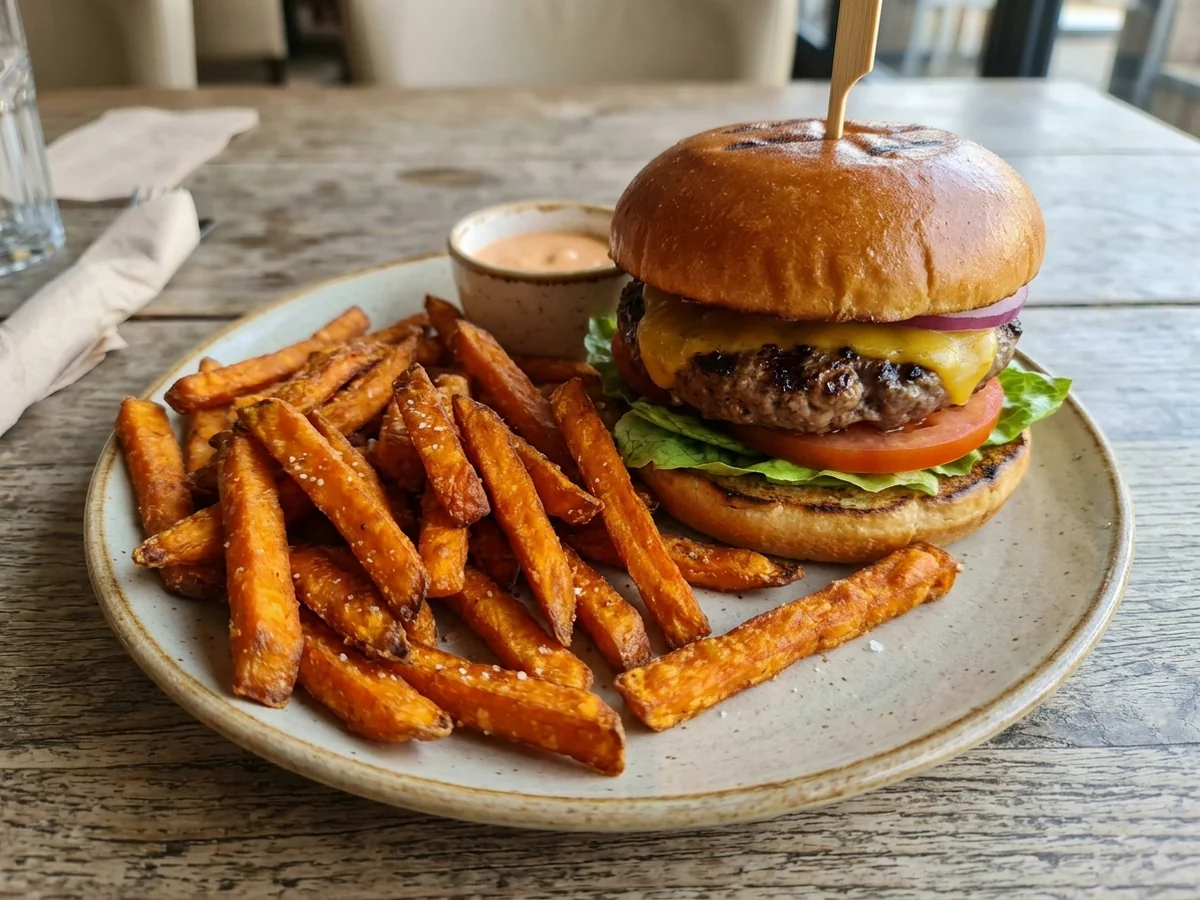
Preparing sides for burgers often involves balancing textures and temperatures, especially for outdoor gatherings. Small errors in timing or storage can detract from your meal, turning crisp vegetables into soggy disappointments or causing cold dishes to lose their appeal. By focusing on ingredient integrity and temperature control, you can ensure your cookout side dish ideas remain fresh and appetizing throughout the event.
Mastering Texture and Moisture Control
One of the most frequent errors is dressing grain or vegetable salads too far in advance. Ingredients like pasta, potatoes, or fresh produce often absorb vinaigrettes and creamy bases, leading to a mushy texture by the time guests are ready to eat. To maintain the structural integrity of your chilled accompaniments, keep your dressing separate and combine the components just before serving. Similarly, avoid using delicate greens or soft herbs that cannot withstand the ambient heat of a summer cookout, as these will wilt rapidly. Opt for hearty vegetables like shredded broccoli, cabbage, or radishes that hold their crunch even after being dressed.
Optimizing Heat and Equipment Use
When using an air fryer to create simple vegetable dishes, such as roasted radishes or sweet potato wedges, overcrowding the basket is a common pitfall. Proper air circulation is essential for achieving a crispy finish; when the basket is too full, moisture becomes trapped, resulting in limp vegetables rather than the desired browning. Cook in smaller batches to ensure every piece has enough space. While this requires more time, the improvement in texture is significant. This approach applies to any vegetable-forward side, as excessive moisture is the primary enemy of a high-quality finished product.
Smart Nutritional Substitutions
You can improve the nutritional profile of your meal by making small adjustments to classic recipes. For instance, Greek yogurt can be used as a substitute for mayonnaise in potato salad to lower saturated fat content and increase protein density. This modification provides a creamy consistency without the heavy base of traditional mayonnaise, making it a versatile choice for various salads. When planning your menu, consider these adjustments to create options that offer more variety than standard potato preparations and feel lighter and more satisfying.
Finally, consider food safety when serving dairy or egg-based salads. Keep these dishes chilled in a cooler or nestled in a larger bowl of ice to prevent them from sitting at unsafe temperatures. By managing your prep schedule and selecting ingredients that hold up to the environment, you ensure that your sides remain a highlight of the meal.
Creative Side Dish Ideas
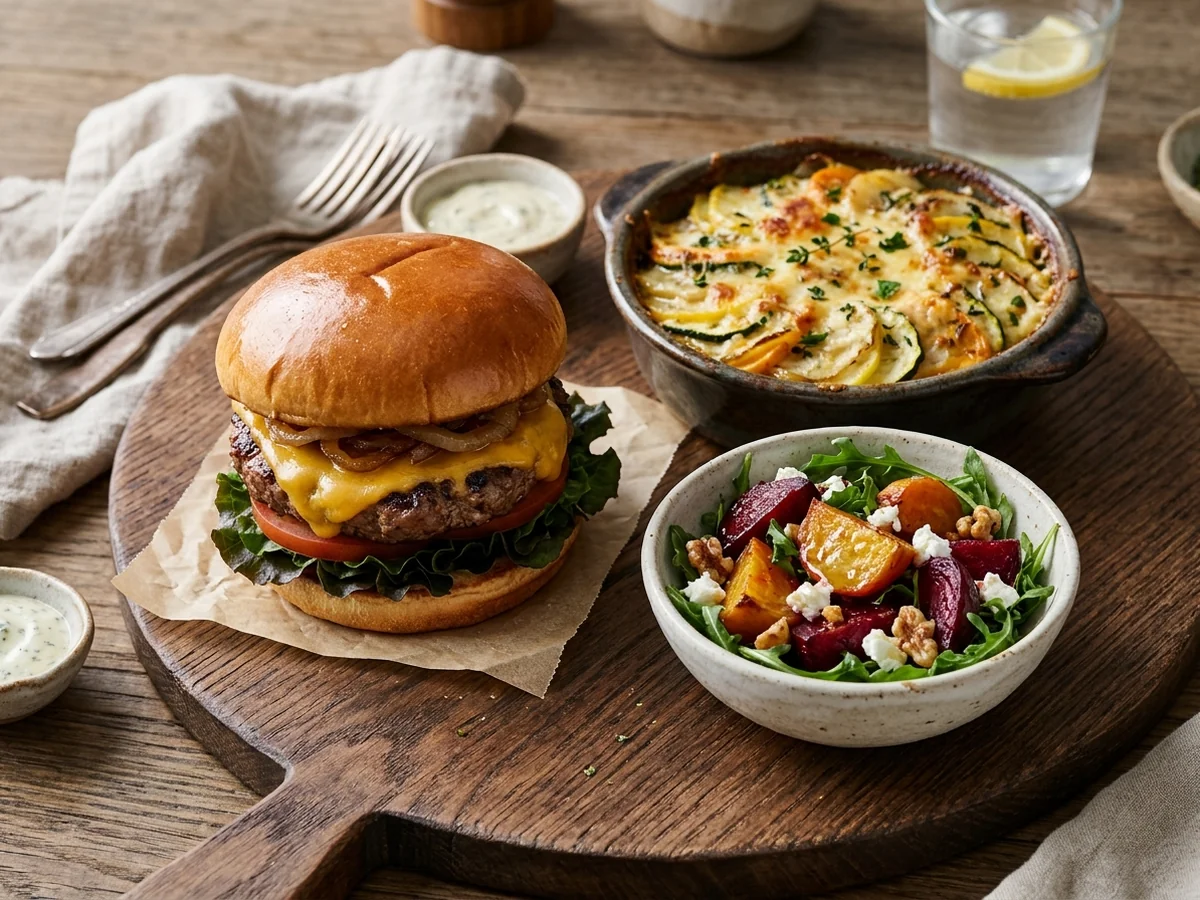
You can elevate a standard meal by incorporating unexpected vegetable preparations and savory baked dishes that offer unique textures. These options provide a departure from traditional fried accompaniments while maintaining the hearty character expected at a backyard cookout.
Consider these versatile alternatives to round out your next menu:
- A savory tomato cobbler offers a warm, rustic contrast to a juicy patty, especially when baked with a biscuit topping and fresh herbs.
- Grilled corn on the cob provides a smoky flavor profile that pairs well with the char of an outdoor cookout, particularly when finished with lime and chili.
- Preparing corn as esquites allows you to serve the kernels in a bowl topped with cotija cheese and spices, making it easier for guests to eat alongside their main course.
- Roasted root vegetables, such as carrots, parsnips, or radishes, offer a satisfying crunch and can be seasoned to match the spice levels of your meal.
- Using Greek yogurt as a substitute for mayonnaise in potato salad increases the protein content and lowers the saturated fat compared to traditional recipes.
Vegetable-forward dishes bring vibrant colors and diverse flavor profiles to the table. When you roast root vegetables, they develop a natural sweetness that complements the savory notes of grilled meat or plant-based alternatives. Serving these dishes alongside a fresh salad ensures your meal feels balanced, providing a variety of bites that satisfy both hungry guests and those looking for lighter options.
When selecting your menu, think about the equipment you have available. If you are already using the grill for your main course, cooking vegetables over the same heat saves time and infuses them with a distinct smoky aroma. For those who prefer to keep the kitchen cool, using an air fryer for roasted vegetables or a quick slaw can provide that necessary crunch without requiring a stove. Focusing on high-quality seasonal produce ensures your accompaniments shine without needing elaborate preparation.
FAQ
What accompaniments make burgers feel like a complete meal?
A balanced meal usually combines a savory burger with a refreshing vegetable component and a hearty starch. Pairing a heavy main course with something crisp like a vinegar-based slaw or a fresh cucumber salad helps balance the richness of the meat.
What kind of salad goes with burgers?
Potato salad and pasta salad are classic choices, but you can improve their nutritional profile by using simple swaps. According to an ingredient guide from Oregon State University, Greek yogurt can be used as a substitute for mayonnaise in potato salad to lower saturated fat and increase protein content.
How can you make these meal additions ahead of time?
Many chilled options, such as pasta salads or broccoli slaws, actually taste better after sitting in the refrigerator for a few hours. Keep dressings separate until just before serving to ensure your greens stay crisp and your starches do not become soggy.
What are healthier alternatives to traditional fried sides?
You can move beyond fries by choosing roasted vegetables or air-fried options that require significantly less oil. Roasted radishes serve as a great low-carb alternative to potatoes, while using an air fryer allows you to achieve a crispy texture on vegetables like sweet potatoes without deep-frying.
Are there simple vegetable options for a cookout that require little effort?
Grilled corn or quick-pickled vegetables are excellent choices that require minimal preparation. You can simply toss seasonal vegetables in a light vinaigrette and fresh herbs to create a refreshing component that complements the heat of the grill perfectly.
Conclusion
Selecting the right accompaniment depends entirely on the balance of textures and flavors you want to bring to your meal. You can easily improve the nutritional profile of your favorite recipes, such as using Greek yogurt as a substitute for mayonnaise in potato salad to lower saturated fat and increase protein content. Whether you prefer crisp vegetables or hearty starches, the best pairings for your main course are those that contrast with the richness of the meat. Evaluate your menu, select a mix of hot and cold options, and prepare your chosen dishes ahead of time to keep your gathering stress-free.
Sources: health.oregonstate.edu
You might also like: Ground Beef Recipes: 40 Easy & Frugal Family Dinners