Best Hiking Snacks: 20 Energizing Trail Mixes & Energy Bites
Introduction
The best hiking snacks are those that provide consistent energy while remaining lightweight and easy to pack. Choosing the best hiking snacks requires balancing caloric density with nutritional value to keep you moving comfortably on the trail.
This article covers a range of portable options, including energy bites and diverse trail mixes tailored for various terrain and exertion levels. You will find recommendations for high energy hiking food, guidance on using electrolyte powder sachets to replenish minerals, and tips for selecting nutritious trail snacks for backpacking. We also examine practical strategies for balancing healthy fuel with comfort treats, ensuring your pack remains manageable without compromising on taste or performance. Whether you are planning a short day hike or a multi-day trek, these suggestions focus on convenient, effective options to sustain your stamina throughout your outdoor journey.
Fueling Your Trek for Peak Performance
Choosing the right fuel is essential to maintaining your endurance and morale during long days on the trail. Proper nutrition acts as your internal battery, providing the steady stream of energy required to navigate changing terrain and manage physical exertion effectively.
Effective trail nutrition relies on a strategic balance between caloric density and the total weight of your pack. While you need enough calories to support your movement, keeping your gear lightweight is equally important for long-term comfort and efficiency. You should aim for items that pack a significant nutritional punch without adding unnecessary bulk to your load.
Staying motivated often hinges on your ability to keep your blood sugar steady and your spirits high. When you choose items that you genuinely enjoy, you create small incentives to keep moving during difficult stretches. This psychological boost is just as vital as the physical recovery provided by your food choices.
To optimize your performance and well-being, consider these fundamental strategies for managing your intake:
- Prioritize calorie-dense options that provide lasting power for sustained activity.
- Use dates, which are a source of natural sugars and provide a filling snack option.
- Incorporate salted nuts, which are widely considered suitable for hot weather hiking to help replace sodium lost through sweat.
- Carry electrolyte or vitamin powder sachets, which can be added to water to improve flavor and replenish minerals.
- Balance your macronutrients by including a mix of carbohydrates for immediate energy and fats for endurance.
Remember that your specific needs will change depending on the intensity of your hike and the local climate. By planning ahead and selecting items that serve a clear purpose, you ensure that your body has the resources it needs to handle the demands of the wilderness. Consistency in your fueling schedule helps prevent fatigue before it starts, allowing you to focus on the journey ahead rather than the physical drain of the trail.
Best Protein-Packed Hiking Snacks

The best hiking snacks combine carbohydrates for immediate energy, protein for muscle support, and fats for sustained caloric density. Balancing these three macronutrients ensures your body has the fuel it needs to tackle steep inclines and long miles without hitting a wall.
Carbohydrates serve as your primary fuel source, providing the quick energy necessary for physical exertion on the trail. Your body breaks these down into glucose, which powers your muscles during intense movement. Including high-quality sources of natural sugars, like dates, provides a filling and effective way to replenish these energy stores quickly when you need a boost.
Protein is essential for muscle maintenance and recovery during longer treks. While it does not provide the same rapid energy burst as carbohydrates, it plays a vital role in repairing tissues stressed by repetitive hiking motion. Incorporating protein-rich options helps you feel satisfied longer, preventing the hunger spikes often associated with simple sugar consumption.
Healthy fats are critical for long-term caloric density, offering a slow-burning energy reserve for endurance. Fats provide more than double the calories per gram compared to protein or carbohydrates, making them a lightweight hiking food idea for those carrying their gear over many miles. Including various nuts and seeds can help maintain your energy levels throughout the entire day.
To optimize your nutrition while on the move, consider these combinations:
- Pair dried fruit with nuts to balance fast-acting sugars with slow-burning fats.
- Add electrolyte powder sachets to your water to improve flavor and replenish minerals lost during heavy activity.
- Include salted nuts as a common practice to help replace sodium lost through sweat, especially during hot weather.
By focusing on these nutrient categories, you create a reliable strategy for staying energized. This approach to selecting healthy hiking fuel allows you to maintain consistent performance regardless of the terrain difficulty or the duration of your outdoor adventure.
High-Energy Trail Mix Recipes

Creating your own blends allows you to control ingredient quality and adjust for specific energy needs while on the move. Dates are a source of natural sugars and provide a filling snack option, making them a staple for sustained exertion. By mixing these with nuts and seeds, you create a balanced profile of macronutrients that helps maintain consistent output throughout the day. When preparing these easy homemade hiking snacks, focus on pairing fast-acting carbohydrates with fats to avoid energy crashes.
| Snack Category | Primary Benefit | Caloric Density |
|---|---|---|
| Dried Fruit | Natural sugars | High |
| Nuts and Seeds | Healthy fats | Very High |
| Nut Butters | Protein and fat | High |
| Fresh Produce | Hydration | Low |
Optimizing for Weight and Replenishment
When selecting ingredients for long-distance treks, prioritize items with a high energy-to-weight ratio to keep your pack light. Focus on dense, dry goods like seeds and dried fruit rather than water-heavy items, which add unnecessary bulk. A common practice among hikers is including salted nuts in a mix to help replace sodium lost through sweat during warm weather, which supports electrolyte balance. To further assist with mineral replenishment, electrolyte or vitamin powder sachets can be added to water to improve flavor and restore essential minerals.
Managing Nutritional Balance
Avoid common mistakes such as relying solely on high-sugar items, which may provide a quick spike in energy but lack the staying power required for strenuous climbs. For the best hiking snacks, aim for a mix that provides a steady release of energy. If you have specific dietary restrictions, such as nut allergies or a preference for vegan options, customize your ratios by substituting seeds or using dried coconut flakes to maintain the necessary caloric density without compromising your health needs. Lightweight hiking food ideas often involve rotating these ingredients to prevent palate fatigue over longer periods.
Responsible Trail Nutrition
Another frequent error is ignoring the packaging requirements mandated by the Leave No Trace Center for Outdoor Ethics. Always repackage ingredients into reusable, lightweight containers to minimize waste on the trail. While nutritious trail snacks for backpacking are essential, managing your impact on the environment is equally important. By portioning your healthy hiking fuel into individual bags before you leave home, you simplify your routine and ensure that all wrappers and containers return with you, keeping the trail clean for everyone.
Refreshing Electrolyte-Rich Hiking Snacks

Managing hydration goes beyond simply drinking water. Electrolytes are essential minerals that support muscle function and maintain fluid balance during physical exertion on the trail. When you hike, especially in challenging terrain or heat, your body loses these minerals through perspiration. Replenishing them is a key component of choosing the best hiking snacks to maintain your performance and prevent fatigue.
Utilizing Electrolyte Supplements
Many hikers use electrolyte or vitamin powder sachets to enhance their water intake. According to the Cleveland Clinic, these sachets can be added to your water supply to improve flavor and replenish minerals lost during physical exertion. Using single-serve packets allows you to refresh your water bottle or bladder throughout a long trek, ensuring you remain hydrated without relying on plain water alone, which may not be enough during intense activity.
Balancing Sodium and Natural Energy
Sodium replacement is particularly important in hot weather. A common practice among hikers is to include salted nuts, as these help replace the sodium your body sheds through sweat. When combined with other calorie-dense, portable options, salted nuts provide a reliable way to keep energy levels stable. It is also beneficial to diversify your intake with natural sugars. Dates are a source of natural sugars and provide a filling snack option that pairs well with electrolyte-rich foods. This combination of savory salt and natural fruit sugars offers a balanced approach to supporting your body on the trail.
Practical Considerations for the Trail
Effective snack planning requires balancing nutritional needs with weight and logistics. When selecting healthy hiking fuel, consider the following strategies to optimize your mineral and energy intake:
- Pre-mix electrolyte powder into your hydration system before departing to ensure you start the day prepared.
- Pair dried fruits with salted items to get a mix of quick-release energy and essential mineral support.
- Avoid over-relying on processed foods by incorporating natural, nutrient-dense snacks like dates.
- Always pack out all food packaging and waste in accordance with Leave No Trace principles to protect the environments you traverse.
One common mistake is waiting until you feel symptoms of dehydration before replenishing electrolytes. By incorporating these snacks and additives into your regular rotation, you support consistent energy levels throughout your hike.
Lightweight Hiking Energy Bites

When planning your menu, the best hiking snacks prioritize shelf-stable, dry goods to reduce pack weight and ensure your fuel remains palatable throughout a long trek. Focusing on items with high caloric density allows you to carry fewer total ounces while meeting your energy requirements. For many outdoor enthusiasts, creating easy homemade hiking snacks is a preferred strategy to control ingredients, reduce costs, and minimize excess packaging.
Building Balanced Energy Bites
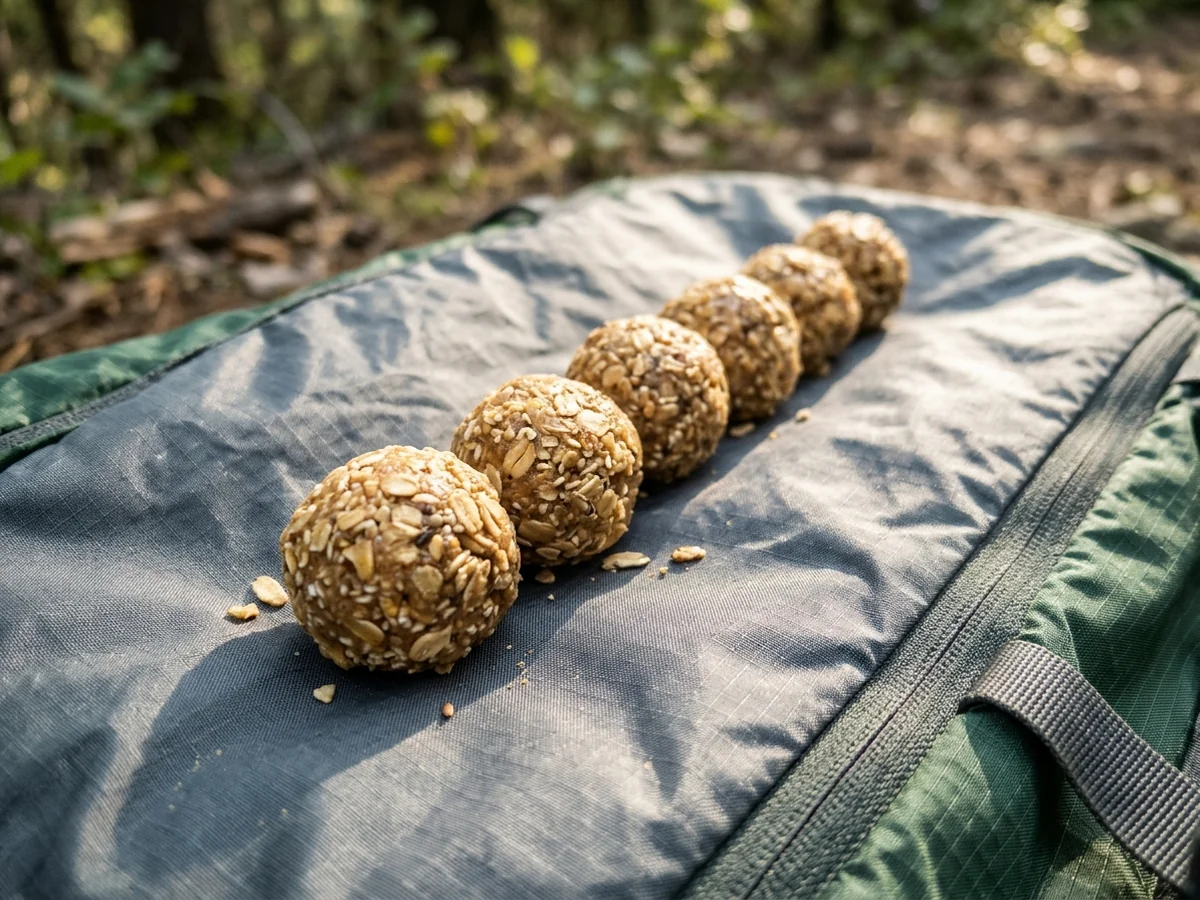
The foundation of effective trail fuel relies on a mix of macronutrients. Dates are a source of natural sugars and provide a filling snack option, making them an ideal base for DIY energy balls. You can blend them with oats, seeds, or nut butters to create compact, nutrient-dense bites. Unlike pre-packaged bars, homemade versions allow you to tailor the flavor profile to your preferences, whether you prefer savory additions like sea salt or sweet additions like dark chocolate.
Practical Packing and Hydration
Weight management is not just about the food itself but also how you carry it. Repackaging bulk dry goods into reusable silicone bags or lightweight containers eliminates heavy retail boxes. Common guidance suggests that salted nuts are suitable for hot weather hiking to help replace sodium lost through sweat, making them a staple for summer trails. Electrolyte or vitamin powder sachets can be added to water to improve flavor and replenish minerals. These sachets are particularly valuable for long-distance backpackers who need to stay hydrated without the weight of sugary sports drinks.
Sustainability and Safety
Adopting these lightweight hiking food ideas supports Leave No Trace principles by significantly reducing the amount of plastic and paper trash you carry into the wilderness. When preparing your own mixtures, consider these best practices:
- Use small, resealable pouches for single servings to avoid carrying heavy, bulk bags that are cumbersome to access on the trail.
- Dehydrated fruit provides a lightweight, concentrated source of energy that holds up well in any weather condition.
- Always verify that your homemade mixtures are stored in airtight containers to prevent moisture buildup and spoilage.
- Be mindful of dietary restrictions by labeling homemade batches, especially when using common allergens like nuts or seeds.
By balancing nutritious food choices with practical storage, you ensure your pack remains light and your energy levels stay consistent. Whether you are out for a short day hike or a multi-day backpacking trip, these strategies help you maintain focus and endurance on the trail.
Gluten-Free Hiking Snack Ideas

When planning your menu, focus on naturally gluten-free foods that provide the macronutrients necessary for sustained energy. High energy hiking food should be calorie-dense and portable, allowing you to maintain your pace without carrying unnecessary weight. Dates are a source of natural sugars and provide a filling snack option, making them an excellent choice for a quick energy boost during strenuous climbs.
Balancing Nutrition and Dietary Needs
Managing dietary restrictions while selecting nutritious trail snacks for backpacking requires careful label reading. Manufacturers frequently update formulas, so always check packaging for hidden gluten-containing additives or cross-contamination warnings, even for products you have purchased in the past.
To maintain energy balance, prioritize a mix of complex carbohydrates for long-lasting fuel and fats for satiety. If you are also managing nut-free requirements, incorporate roasted chickpeas or sunflower seeds for crunch, or opt for fruit leather and dried mango slices for convenient, lightweight sweetness.
Hydration and Mineral Replenishment
Maintaining hydration is vital for performance. Electrolyte or vitamin powder sachets can be added to water to improve flavor and replenish minerals lost through physical exertion. Common guidance suggests that salted nuts are suitable for hot weather hiking to help replace sodium lost through sweat, but if you have a nut allergy, swap these for seeds or salty snacks like popcorn.
Always test new snack combinations at home before a long trip to ensure they agree with your digestion.
Practical Considerations for the Trail
When packing, consider the climate and the duration of your hike. While some fresh items are enjoyable, they may not be stable in high heat. Instead, rely on shelf-stable, gluten-free items like rice cakes topped with sunflower seed butter for a more substantial meal that remains fresh in your pack.
As you plan your supplies, follow the principles of the Leave No Trace Center for Outdoor Ethics by selecting items with minimal or reusable packaging to reduce waste. Carrying a few favorite treats can help keep spirits high during challenging miles, so aim for a balance between highly functional fuel and foods you genuinely enjoy eating while outdoors. By organizing your snacks in easy-to-access pockets, you can maintain consistent energy levels without frequent stops or the need to unpack your entire bag.
Shelf-Stable Hiking Snack Packs

Shelf-stable items are the best hiking snacks because they remain safe to eat across various climates without requiring refrigeration. Prioritizing calorie-dense, dry foods like nuts, dried fruits, and grains reduces the risk of foodborne illness while keeping your pack weight manageable.
Following Leave No Trace principles is essential when handling food packaging. Before you head out, repackage store-bought snacks into reusable, lightweight containers or silicone bags to minimize the trash you carry. If you must bring single-use wrappers, always secure them in a dedicated sealed bag within your pack to ensure they do not become trail litter.
Managing food safely depends on the external environment. During hot weather, common guidance suggests choosing salted nuts to help replace sodium lost through sweat. Conversely, in colder conditions, you have more flexibility with perishables, though you should still monitor them closely. Regardless of the temperature, keep your food supply dry and protected from moisture to prevent spoilage.
Storing food to prevent wildlife attraction requires consistent vigilance. Never leave food scraps or wrappers unattended, as scents can easily lure curious animals to your camp or resting spot. Use airtight, scent-proof containers to lock in odors, and consult local land management agencies like the National Park Service or the Forest Service for specific food storage regulations in your area, such as the use of bear-resistant canisters.
You can optimize your nutrition by including specific staples that maintain quality over time:
- Dates, which are a source of natural sugars and provide a filling snack option.
- Electrolyte or vitamin powder sachets, which can be added to water to improve flavor and replenish minerals.
- Dried legumes or roasted chickpeas for sustained protein.
- Whole grain crackers or nut butters packaged in squeeze tubes for easy consumption.
Always inspect your food before eating, especially after it has been exposed to extreme heat or moisture. If a package appears compromised or the contents have an unusual texture or smell, discard the item to avoid illness. Keeping your food supply organized and secure helps ensure you have reliable energy throughout your journey.
Best Hiking Snack Storage Tips

Effective storage for your trail provisions centers on minimizing pack weight, maintaining food integrity, and ensuring you have the right nutrients for your specific conditions. Proper organization prevents crushed items and helps you avoid carrying unnecessary moisture that adds weight without providing fuel.
Follow these essential guidelines to manage your supplies for a more comfortable and efficient trek:
- Remove items from bulky original packaging and transfer them into lightweight, reusable bags to reduce both weight and waste.
- Avoid packing fresh, high-moisture foods like heavy fruits or soft produce that can bruise easily and create a mess in your pack.
- Test new food combinations on short walks before committing to them for a long-distance excursion to ensure they digest well during activity.
- Include salted nuts in your rotation, as this is common guidance for replacing sodium lost through sweat during hot-weather hikes.
- Pack electrolyte or vitamin powder sachets separately from your food to easily add minerals to your water supply when the temperature climbs.
- Keep your intake organized by caloric density so you can easily reach for higher energy options when you need a quick boost.
When preparing for intense heat, remember that your body loses critical minerals through perspiration. Electrolyte or vitamin powder sachets can be added to water to improve flavor and replenish minerals throughout the day. Relying solely on water without replacing these lost electrolytes can lead to fatigue, so having a plan to supplement your intake is vital.
Finally, avoid the temptation to overpack heavy, high-moisture items that provide little caloric return for their weight. Dates are a source of natural sugars and provide a filling snack option, making them a more efficient choice than fresh items that are mostly water. Always verify your gear load by removing items that are not essential for your specific route and duration.
FAQ
What are the best snacks for hiking?
The best hiking snacks provide a balance of carbohydrates for immediate energy and fats or proteins for sustained fuel. Dates are a source of natural sugars and provide a filling snack option that is easy to pack. You should also consider lightweight items like nuts, seeds, and dried fruit to keep your overall pack weight down.
How do you balance healthy hiking snacks with comfort food?
You can maintain your energy levels by prioritizing nutrient-dense items while including small treats to boost morale on difficult trails. Aim for a mix of complex carbohydrates and healthy fats throughout the day to support your macronutrients needs. It is common guidance to carry salted nuts during hot weather hikes, as these help replace the sodium lost through sweat.
Why use electrolyte powders during a hike?
Electrolyte or vitamin powder sachets can be added to water to improve flavor and replenish minerals. These additions are particularly helpful during long or intense hikes where you lose significant fluids and minerals through perspiration. They ensure you stay hydrated more effectively than drinking plain water alone.
What foods are suitable for long-distance versus day hikes?
Day hikers can often carry a wider variety of fresh foods, while long-distance backpackers benefit most from high-calorie, lightweight, and shelf-stable options. For extended trips, prioritize items with high caloric density that minimize the weight you must carry. Regardless of trip length, always follow the principles of the Leave No Trace Center for Outdoor Ethics by packing out all your food wrappers and waste.
Conclusion
Selecting your trail nutrition comes down to balancing caloric density with your personal taste preferences and the specific demands of your terrain. Experimenting with different combinations of natural sugars and electrolytes during shorter trips will help you identify the best hiking snacks for your body before you head out on longer backpacking excursions. Pack small portions of several varieties on your next outing to determine which fuel sources keep your energy levels consistent throughout the day. Once you find what works best, prepare your supplies in advance to ensure you stay well-nourished and ready for the trail ahead.
Sources: pmc.ncbi.nlm.nih.gov, health.clevelandclinic.org
You might also like: Ground Beef Recipes: 40 Easy & Frugal Family Dinners