
Gluten-Free Dairy-Free Dinner Ideas: 25 Allergy-Friendly Meals
Introduction
Finding practical meals that exclude both wheat and milk products can feel challenging, but these gluten-free dairy-free dinner ideas offer safe and flavorful solutions for everyday cooking. Managing multiple food restrictions requires inspiration that keeps weeknight cooking simple and enjoyable.
This collection covers twenty-five allergy-friendly dishes designed for home cooks who need accessible options. You will find sheet pan meals, bowl-style dinners, and fresh salad variations that omit common allergens without sacrificing taste.
Foundations of Safe Allergy-Friendly Cooking
Creating gluten-free dairy-free dinner ideas requires a structured approach to kitchen safety. Whether you are managing celiac disease or specific food sensitivities, the primary goal is to prevent cross-contamination while maximizing flavor. Successful meal preparation begins with understanding hidden ingredients and establishing a workspace that protects your health.
Mastering Label Literacy
Hidden allergens are a common challenge for those seeking quick allergy friendly dinner ideas. Manufacturers often use complex terminology that masks the presence of wheat or milk. For instance, wheat derivatives can appear as modified food starch, malt, or hydrolyzed vegetable protein. Similarly, dairy may be listed under names like casein, whey, or lactose. Checking labels on every packaged item is a non-negotiable step in your routine. When you are just starting out, prioritizing products with a certified gluten-free label provides an extra layer of confidence during your shopping trips.
Preventing Cross-Contamination
A safe kitchen environment is essential for effective gluten and dairy free meal planning for beginners. Cross-contamination occurs when trace amounts of an allergen transfer from one surface to another. To mitigate this, consider using dedicated cutting boards for produce and proteins. Always scrub cookware and utensils thoroughly between uses, or maintain a separate set of tools if your household shares space with individuals who consume allergens. Using designated sponges for allergen-free prep also prevents the accidental spread of wheat proteins or dairy residue, ensuring that your cooking area remains a secure zone.
Building Meals with Whole Foods
Leaning on unprocessed, whole ingredients simplifies your grocery list and reduces the need to analyze long ingredient labels. Fresh vegetables, plain meats, and natural fats form the most reliable foundation for budget friendly gluten free dairy free meals. By focusing on these components, you can craft satisfying dishes that prioritize nutrition and safety.
Common culinary practices offer several versatile methods for building these meals. For example, sheet pan steak fajitas are often cited as a viable cooking method for gluten-free and dairy-free diets, as they rely on fresh proteins and peppers rather than processed seasonings. Similarly, sweet potatoes are frequently utilized as a bread-free base for sliders, providing a hearty texture that holds up well with various toppings. When preparing kid friendly gluten free dairy free dinners, assembling a barbecue chicken salad with corn, avocado, and tomatoes serves as a reliable way to incorporate varied nutrients without relying on dairy-based dressings or gluten-heavy additions.
Gluten-Free Dairy-Free Pantry Staples

Building a successful allergy-friendly meal plan starts with stocking your kitchen with naturally safe whole foods that require zero ingredient substitutions. Lean meats, fresh vegetables, beans, and lentils form the foundation of safe cooking because they lack wheat and milk by nature. You can put together quick allergy friendly dinner ideas simply by pairing these core whole foods with herbs, spices, and olive oil. Focusing on these staples simplifies gluten and dairy free meal planning for beginners by removing the guesswork associated with processed ingredient lists.
Prioritizing Whole Foods and Safety
Reading ingredient labels remains vital for avoiding hidden sources of wheat and dairy in processed or packaged items. Manufacturers frequently add milk derivatives or wheat-based starches to sauces, seasonings, and broths under unfamiliar chemical names. Checking every single label prevents accidental exposure and keeps your cooking strictly safe. When selecting processed goods, prioritize items with a certified gluten-free label to ensure the product was made in a controlled facility, which significantly lowers the risk of cross-contamination.
Creative Approaches to Classic Meals
You can create satisfying, nutrient-dense meals by reimagining standard cooking techniques. Sheet pan steak fajitas serve as a common approach for these dietary needs, providing a balanced, one-pan solution. Similarly, BBQ chicken salad often incorporates corn, avocado, and tomatoes as gluten-free and dairy-free additions to create a filling, vegetable-forward main course. If you are looking for kid friendly gluten free dairy free dinners that mimic traditional favorites, sweet potatoes can be used as a bread-free base for sliders, offering a hearty and functional alternative to buns.
Essential Stocking Strategies
- Stock your pantry with whole food staples like brown rice, quinoa, and dried beans for a reliable base that remains naturally safe.
- Inspect ingredient lists thoroughly to catch hidden allergens tucked inside commercial spice blends and marinades.
- Store your allergy-safe ingredients in sealed glass containers to prevent accidental cross-contamination from other foods in the kitchen.
- Keep fresh produce, lean poultry, and plant-based proteins on hand to assemble wholesome evening meals without fuss.
- Utilize budget friendly gluten free dairy free meals by purchasing dry grains and legumes in bulk to keep costs low while maintaining high nutritional value.
Sheet Pan and One Pot Meals

Sheet pan steak fajitas are often used as a practical cooking method for gluten-free and dairy-free diets, serving as reliable quick allergy friendly dinner ideas for busy evenings. When you roast sliced beef, bell peppers, and onions on a single baking sheet, you concentrate natural flavors while significantly reducing active cooking time. This approach is ideal for gluten and dairy free meal planning for beginners because it minimizes hands-on supervision and keeps the process straightforward.
Mastering the Sheet Pan Method
To achieve the best texture, understanding the science behind your preparation choices is essential. Crowding the baking sheet causes vegetables to steam in their own moisture rather than roast, which prevents that desired caramelization. Spread your ingredients in a single, even layer to ensure the heat circulates properly. Using a dedicated baking sheet for these meals also helps prevent unwanted contact with wheat or milk products, which is a key step to safeguard against cross-contamination in home kitchens. Lining the pan with parchment paper traps natural juices and food particles, making cleanup as simple as tossing the liner and wiping the surface.
Beyond Traditional Fajitas
Scaling up these ingredients for family-sized portions is simple when you use large pans or distribute the components across two separate trays. You can double the strips of beef and vegetables to feed a larger household without altering the cooking technique or timing. Beyond beef, other proteins and vegetables work well under this model. BBQ chicken salad, as a common variation, can incorporate corn, avocado, and tomatoes as gluten-free and dairy-free additions, making it a versatile option for lunch or dinner. Sweet potatoes are frequently utilized as a bread-free base for sliders. These components allow for variety while keeping your kitchen routine consistent.
When managing multiple dietary needs at once, choosing whole foods naturally keeps meals free from hidden allergens. By focusing on fresh produce and clean proteins, you can deliver satisfying results that work for everyone at the table, proving that budget friendly gluten free dairy free meals do not require complex ingredients or expensive specialty items.
Dairy and Gluten Substitutions

Adapting your evening meals to be both gluten-free and dairy-free does not require sacrificing flavor or texture. By focusing on whole foods, you can create satisfying, allergy-friendly dinner ideas that work for the whole family. The primary goal is to find replacements that provide similar mouthfeel and satiety without relying on wheat or cow milk products.
Building a Functional Base
When you remove wheat-based starches like pasta or bread, you need reliable alternatives that hold up to proteins and sauces. Common guidance suggests using sweet potatoes as a bread-free base for sliders. By cutting them into thick, circular rounds and roasting until tender, you create a sturdy foundation that pairs well with burger patties. This approach is a practical way to manage gluten and dairy-free meal planning for beginners who want to avoid processed, store-bought substitutes.
Recreating Creamy Textures
Many classic comfort foods rely on heavy cream or cheese, but these ingredients are easily swapped using plant-based fats. Blended cashews, when soaked in water and processed with garlic or broth, create a rich base for pasta sauces that mimics the viscosity of dairy. Similarly, full-fat canned coconut milk provides the luxurious thickness needed for curries and soups. If you miss the savory punch of cheese, nutritional yeast is an effective tool to add umami depth to vegetables and proteins.
Incorporating Proteins and Vegetables
Dinner options do not have to be restrictive. Sheet pan steak fajitas are a viable cooking method for these diets, allowing you to combine protein and vegetables in one go without needing flour tortillas or sour cream. Similarly, a BBQ chicken salad can incorporate corn, avocado, and tomatoes to ensure the meal remains filling and nutrient-dense. When selecting ingredients, always check for the certified gluten-free label on packaged items to prevent accidental ingestion, as recommended by organizations like the Celiac Disease Foundation and FARE to avoid cross-contamination.
- Use thick-cut roasted sweet potatoes as a sturdy, grain-free alternative to burger buns.
- Replace heavy cream with blended soaked cashews or full-fat coconut milk to maintain sauce richness.
- Incorporate avocado and corn into salads to add healthy fats and volume in place of cheese.
- Prioritize whole foods to simplify your shopping and keep meals budget-friendly.
Healthy Salad Main Courses

Transforming a bowl of greens into a satisfying evening meal requires intentional construction, especially when you are looking for simple dinner options that avoid common allergens while keeping everyone full. A well-designed salad avoids the trap of feeling like a side dish by packing in diverse textures, colors, and robust energy sources. When building these meals, the goal is to mirror the balance suggested by USDA MyPlate, ensuring you have a significant protein source, healthy fats, and complex carbohydrates in every bowl.
Building Balanced Bowls
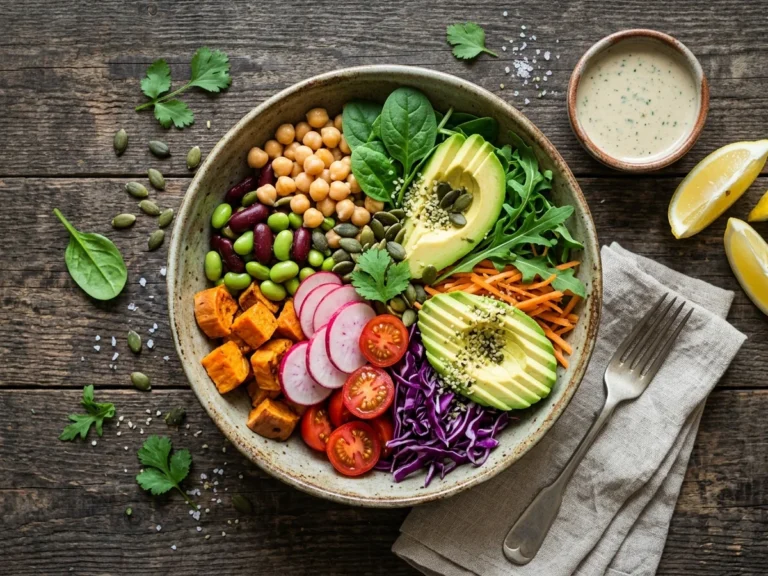
As a common practice when first adjusting to meals without gluten or dairy, a barbecue chicken salad can typically incorporate ingredients like corn, avocado, and tomatoes to add hearty substance without any common allergens. To elevate a green bowl into a true main course, balancing your macronutrients is essential. Many home cooks mix in plant-based proteins such as chickpeas, black beans, or hemp seeds alongside their primary protein source. These additions supply steady energy and make the meal far more wholesome. If you are preparing these for a family, variety helps keep the routine exciting.
Avoiding Hidden Allergens
The most common mistake when preparing healthy salads at home involves store-bought dressings, which frequently hide gluten through thickeners and soy sauce derivatives, along with dairy-based emulsifiers. Making your own dressings from scratch eliminates this risk completely. Whisking together quality olive oil, fresh citrus juice, and herbs takes less than two minutes and guarantees your dinner remains completely safe and flavorful.
Practical Preparation Tips
When cooking for those with sensitivities, always verify ingredient labels for a certified gluten-free label to avoid hidden additives. Cross-contamination is another significant factor to consider in a shared kitchen, particularly when preparing multiple components simultaneously. To streamline your process, prep your protein and grains ahead of time so the final assembly is quick. Focusing on whole foods allows you to build cost-effective meals that satisfy even the hungriest household members. By keeping your pantry stocked with staples like vinegars, oils, and canned legumes, you ensure that preparing dinner for children while managing gluten and dairy sensitivities remains a manageable, stress-free part of your week.
Meal Planning for Allergy-Friendly Dinners

Successful meal planning for restricted diets starts with mapping out weekly allergy-friendly evening meals ahead of time to minimize food waste and lower grocery bills. Writing down a weekly schedule prevents impulse purchases and ensures that perishable ingredients get used before spoiling. When building a schedule for gluten-free dairy-free dinner ideas, home cooks often look for repeatable formulas that streamline grocery shopping and weeknight preparation.
Shopping for seasonal produce keeps grocery costs down while delivering fresh flavor to inexpensive evening dishes that omit gluten and dairy. Fresh vegetables and fruits that are in season taste better and typically cost less at checkout. Incorporating versatile components, such as a barbecue chicken salad that can easily incorporate corn, avocado, and tomatoes as gluten-free and dairy-free additions, helps maximize both nutrition and variety throughout the week.
Buying bulk protein items reduces the overall cost per serving. Portioning these proteins into individual containers right after shopping makes weeknight cooking much faster. Sheet pan steak fajitas are frequently highlighted as a viable cooking method for gluten-free and dairy-free diets, allowing home cooks to roast large batches of meat and bell peppers simultaneously with minimal cleanup.
A common mistake in allergy-friendly meal prep is neglecting texture and structural variety, which can lead to menu fatigue. To keep meals exciting, creative home cooks often utilize whole ingredients in unexpected ways, such as using sweet potatoes as a bread-free base for sliders. This approach satisfies cravings for comfort food while keeping the dish entirely free of gluten and dairy.
Proper storage is essential for maintaining food safety and flavor in leftover allergy-safe dishes. Store cooked proteins and vegetables in airtight glass containers in the refrigerator within two hours of cooking to keep them fresh for several days. Reheating leftovers correctly ensures textures remain appealing without drying out the food. Reheat meals thoroughly on the stovetop or in the oven, adding a small splash of broth or water if needed to restore moisture.
Preventing Cross-Contamination in Cooking

Preventing cross-contamination starts with separating allergy-friendly cooking from regular food preparation in a shared kitchen. Invisible traces of gluten or dairy can easily transfer from countertops, sponges, and shared utensils to otherwise safe meals. Organisations like the Celiac Disease Foundation and Food Allergy Research and Education advise strict cleaning protocols to protect sensitive individuals from accidental exposure during meal preparation.
Understanding why cross-contamination happens helps home cooks avoid hidden triggers. Airborne flour particles can travel significant distances in a shared kitchen and settle on surfaces meant for evening cooking. Similarly, microscopic food residues left on wooden cutting boards or porous plastic utensils can ruin meals that rely on whole foods and certified gluten-free labels.
Following specific kitchen safety steps keeps meals safe when you share cooking spaces. Here are the core practices you should implement:
- Wash all countertops, cutting boards, and kitchen appliances thoroughly with hot soapy water before you start cooking.
- Use dedicated cookware and colanders that have never touched wheat flour or standard dairy products.
- Store allergy-safe ingredients on higher pantry shelves to prevent crumbs from falling into them from above.
- Label your dedicated butter substitutes, milks, and flour blends clearly with bright tape or markers.
- Keep a separate sponge and drying towel specifically for washing your allergen-free pots and pans.
Avoiding common mistakes during prep is just as important as the cleaning process itself. Never use the same spatula for both regular and allergen-free components, and always check labels on plant-based proteins to ensure they were not processed in a facility that handles wheat. Taking these precautions minimizes accidental reactions and ensures your allergy-friendly cooking remains completely safe. Cleanliness protects everyone at the table and builds confidence when preparing complex multi-ingredient meals.
When to See a Nutritionist

Transitioning to a diet that excludes both gluten and dairy involves more than just swapping out a few ingredients. If you find your efforts to manage symptoms like persistent digestive discomfort, fatigue, or unexplained skin issues are not yielding results, it is time to consult a registered dietitian or a medical professional. Relying on professional guidance ensures that your gluten-free dairy-free dinner ideas actually meet your body’s nutritional requirements rather than just removing groups from your plate.
One major reason to seek help is to avoid the common mistake of accidental nutrient deficiencies. When you cut out entire food categories, it is easy to miss essential vitamins and minerals. A dietitian can help you build balanced menus that align with USDA MyPlate recommendations, ensuring you get adequate protein and micronutrients through safe alternatives. They provide the structure needed when organizing meals without wheat and milk for those just starting out, helping you identify which whole foods are safe and how to read labels for hidden allergens.
If you suspect you have celiac disease or a serious food allergy, formal testing through an allergist or a gastroenterologist is essential before starting a strict elimination diet. Organizations like the Celiac Disease Foundation emphasize that testing must be done while you are still consuming gluten to ensure an accurate diagnosis. Without this, you may struggle to distinguish between a food intolerance and a more serious autoimmune condition, which changes how strictly you must manage cross-contamination in your kitchen.
Practical guidance from a professional can also simplify your daily routine. They can teach you how to handle kitchen logistics, such as using separate toasters or cutting boards, to prevent cross-contamination. Professionals can also help you troubleshoot your favorite fast evening meals for sensitive eaters, showing you how to adapt techniques like using sheet pan steak fajitas or creating bread-free sliders using sweet potatoes as a base. By working with a qualified expert, you gain confidence in your grocery shopping and meal preparation, ensuring your home remains a safe and healthy environment for everyone.
FAQ
What are some simple gluten-free and dairy-free dinner ideas for busy nights?
Sheet pan cooking is a highly effective method for quick allergy-friendly dinner ideas, as it minimizes cleanup while allowing for consistent results. You might try roasting proteins like chicken or steak alongside seasonal vegetables, seasoned simply with olive oil and fresh herbs.
Can steak be part of a gluten-free and dairy-free diet?
Steak is naturally free from both gluten and dairy, making it a reliable staple for your meal planning. Sheet pan steak fajitas are a common way to enjoy this protein, often served with corn tortillas, fresh salsa, and lime to keep the meal entirely safe.
How can I make a dinner that feels satisfying without dairy?
Focusing on hearty, naturally rich ingredients like avocado, nuts, and seeds helps create a sense of indulgence in your meals. A BBQ chicken salad can incorporate corn, avocado, and tomatoes to provide a complex texture and flavor profile that feels substantial and filling.
What can I use instead of bread for burgers or sliders?
Sweet potatoes are a versatile and nutrient-dense alternative often used as a bread-free base for sliders. By slicing a roasted sweet potato into rounds, you create a sturdy foundation for patties that keeps the meal gluten-free and dairy-free while adding a subtle sweetness.
How do I prevent cross-contamination when cooking for allergies?
Preventing cross-contamination requires using dedicated utensils, cutting boards, and cooking surfaces that have not touched wheat or dairy products. Organizations like Food Allergy Research and Education (FARE) emphasize the importance of thorough cleaning and careful ingredient sourcing, such as choosing items with a certified gluten-free label, to ensure your meal remains safe for everyone at the table.
Conclusion
The best way to start your journey is to pick two or three recipes from this list to test during your next grocery trip. As you become more comfortable with these gluten-free dairy-free dinner ideas, you can begin to swap in your favorite seasonal vegetables or proteins to keep your weekly routine fresh. Focus on sourcing fresh whole foods while carefully reading labels to ensure your ingredients are safe for your specific needs.
You might also like: Ground Beef Recipes: 40 Easy & Frugal Family Dinners