Sides for Tacos: 20 Best Mexican Street Food Side Dishes
Introduction
The best sides for tacos include classic favorites like seasoned rice, creamy beans, and fresh vegetable salads that balance savory fillings. Choosing the right sides for tacos helps transform a simple dinner into a complete, satisfying meal that reflects traditional Mexican street food flavors.
In this guide, you will find 20 curated accompaniments ranging from traditional vegetable dishes to refreshing beverages. We cover everything from the essentials like pico de gallo and elote to unique pairings that elevate your next taco night. Whether you are hosting a casual backyard gathering or looking for easy weeknight additions, these suggestions provide the perfect textures and flavors to complement your favorite taco recipes.
Creating a Balanced Taco Night
The secret to a memorable taco night lies in pairing your main proteins with accompaniments that offer a deliberate contrast in texture, acidity, and heat. While the taco itself provides the savory foundation, your extras should work to lift the meal, ensuring every bite feels fresh rather than heavy. A truly great supporting dish does more than just fill a plate. It acts as a palate cleanser that cuts through the richness of seasoned fillings.
Essential Flavor Balancers
Building a successful menu often means thinking about how items interact. If you are serving something particularly rich, lean into sides that feature fresh herbs like cilantro, which is an herb from the Coriandrum sativum plant. When choosing traditional Mexican taco side dishes, consider these foundational elements:
- Texture: Incorporate crunch to play off soft tortillas. Jicama is a root vegetable often served raw with lime and chili powder in Mexican cuisine, providing a refreshing snap.
- Acidity: Use bright, tangy components to balance fatty flavors. Pico de gallo consists of chopped tomatoes, onions, serrano peppers, cilantro, and lime juice, making it an ideal choice.
- Heat: Integrate varying levels of spice to keep the meal exciting. Whether you prefer the gentle warmth of serrano peppers or the deeper, smoky notes of chili powder, a little heat goes a long way in waking up the taste buds.
Traditional and Easy Sides for Taco Bar
For those looking for classic comfort, certain staples provide the structure of a complete meal. Mexican rice, or arroz rojo, is prepared by sautéing rice before simmering it in a tomato based broth. Similarly, refried beans are typically made by boiling pinto beans and mashing them with lard or oil. If you want to add a popular street food element, elote is traditionally made with mayonnaise, cotija cheese, chili powder, and lime juice. Cotija is a firm, cow milk cheese that does not melt when heated, making it excellent for crumbling over finished dishes.
Refining Your Menu
When selecting accompaniments for your spread, consider beverage pairings as well. Agua fresca is a beverage typically made from blending fruit, cereals, flowers, or seeds with water and sugar. For salsas, remember that salsa verde is primarily made from tomatillos rather than red tomatoes. If you need a quick garnish, pickled red onions are commonly preserved using an acidic brine of vinegar, water, sugar, and salt to provide a sharp, vibrant finish to any taco.
Classic Mexican Taco Staples

The best traditional Mexican taco side dishes rely on simple techniques and fresh ingredients to balance the savory, spiced flavors of your main course. When you are looking for the perfect sides for tacos, these time-honored staples provide the essential textures and vibrant flavors that complete a meal.
Essential Preparations and Ingredients
Building a memorable taco spread often starts with foundational components that highlight regional flavor profiles. Elote is traditionally made with mayonnaise, cotija cheese, chili powder, and lime juice for a creamy and tangy street food experience. For those seeking a hearty addition, refried beans are typically made by boiling pinto beans and mashing them with lard or oil until they reach a smooth, consistent texture. While cooking these, keep in mind that cotija is a firm, cow milk cheese that does not melt when heated, making it an excellent topping that retains its structure.
When selecting easy sides for taco bar setups, balancing acidity with richness is key. Pico de gallo consists of chopped tomatoes, onions, serrano peppers, cilantro, and lime juice, offering a sharp, fresh contrast to heavier proteins. Cilantro, which is an herb from the Coriandrum sativum plant, serves as a common fresh garnish that brightens the overall flavor profile of your plate. For a refreshing crunch, jicama is a root vegetable often served raw with lime and chili powder, providing a light, crisp bite that works well as a healthy vegetable side for tacos.
Refining Your Taco Night Menu
Beyond the basics, you can expand your menu with cooked grains and traditional beverages. Mexican rice, also known as arroz rojo, is prepared by sautéing rice before simmering it in a tomato based broth to develop a deep, savory flavor. If you are wondering what to serve with tacos besides rice and beans, consider incorporating pickled red onions, which are commonly preserved using an acidic brine of vinegar, water, sugar, and salt. To round out the meal, many hosts serve agua fresca, a beverage typically made by blending fruit, cereals, flowers, or seeds with water and sugar.
| Side Dish | Key Ingredient | Serving Tip |
|---|---|---|
| Salsa Verde | Tomatillos | Use instead of red tomatoes for a tart, acidic finish. |
| Jicama | Raw root vegetable | Slice into sticks and season with chili and lime. |
| Elote | Cotija cheese | Apply the cheese immediately after grilling for better adherence. |
Fresh Salsas and Toppings
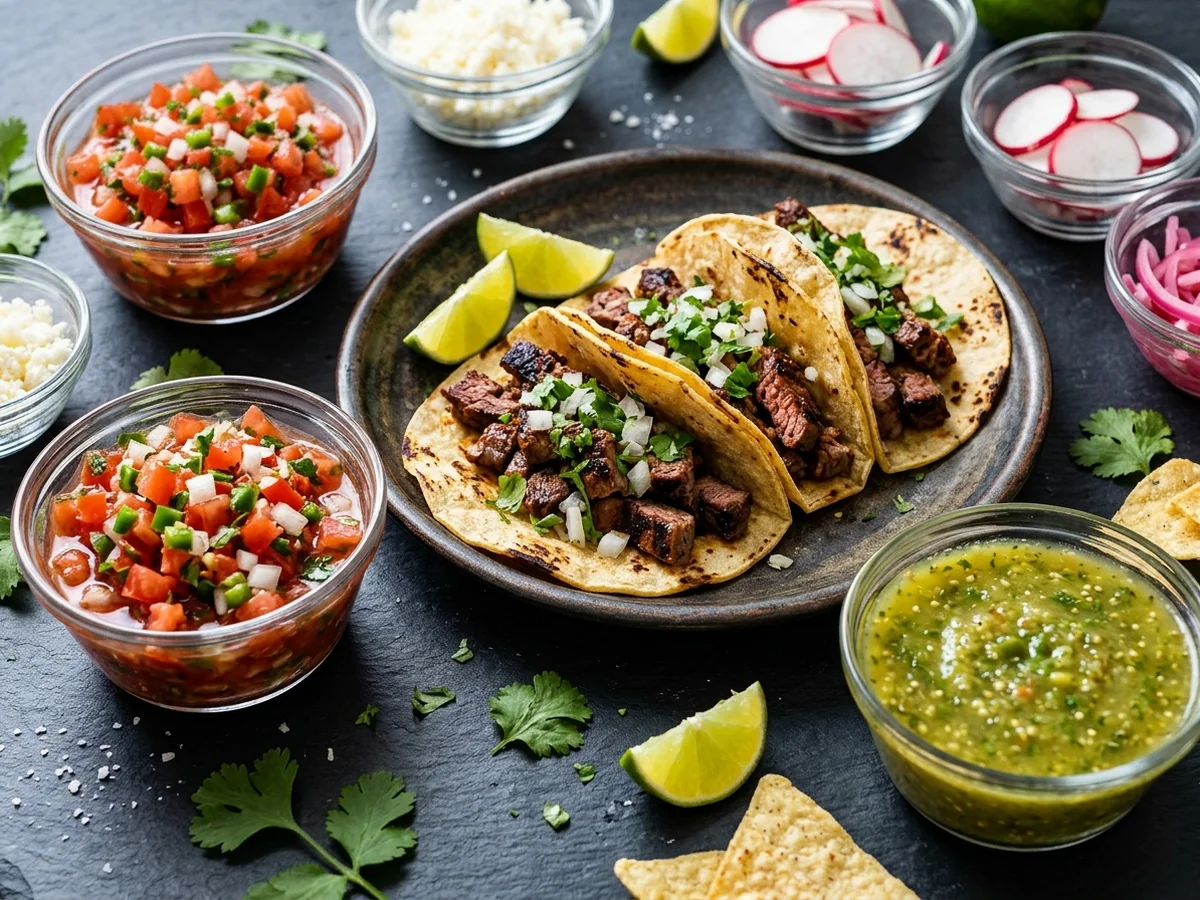
When you are deciding what to serve with tacos besides rice and beans, fresh salsas and vibrant toppings provide the essential acidity and crunch needed to cut through savory, rich proteins. These additions are the easiest way to brighten a meal, turning simple ingredients into a complex culinary experience. Because these components rely on raw produce, their quality is paramount. Choosing ripe, seasonal vegetables ensures the best texture and flavor payoff.
Classic staples provide a reliable foundation for any taco night:
- Pico de gallo: As noted by Oregon State University Extension, this classic topping consists of chopped tomatoes, onions, serrano peppers, cilantro, and lime juice. For the best result, let the mixture sit for at least 20 minutes so the salt draws out the juices, creating a cohesive sauce.
- Salsa verde: Commonly prepared using tart tomatillos rather than red tomatoes, this salsa provides a tangy profile that pairs exceptionally well with pork or fish tacos.
- Pickled red onions: A popular way to add a sharp, acidic crunch, these are typically made by submerging sliced red onions in a brine of vinegar, water, sugar, and salt. Preparing these a day in advance allows the onions to turn a vibrant pink and softens their raw bite.
- Cilantro: This herb, scientifically known as Coriandrum sativum, is often added as a fresh finish to provide a citrusy, aromatic contrast to earthy spices.
- Jicama: Often served raw with a dusting of lime and chili powder, this crisp root vegetable offers a refreshing, hydrating crunch that balances heat-heavy meals.
One common mistake is over-processing your salsas. For pico de gallo, keep the vegetable pieces relatively uniform in size to ensure every bite contains a balanced ratio of ingredients. If you are preparing these for an easy taco bar, keep your fresh toppings in separate, chilled bowls to prevent them from wilting or becoming watery before guests serve themselves. If you want to expand your menu, consider adding traditional Mexican street corn, or elote, which is made with mayonnaise, cotija cheese, chili powder, and lime juice. Cotija is a firm, cow milk cheese that does not melt when heated, making it a perfect textural topper for both hot and cold sides.
Crispy Vegetable Sides
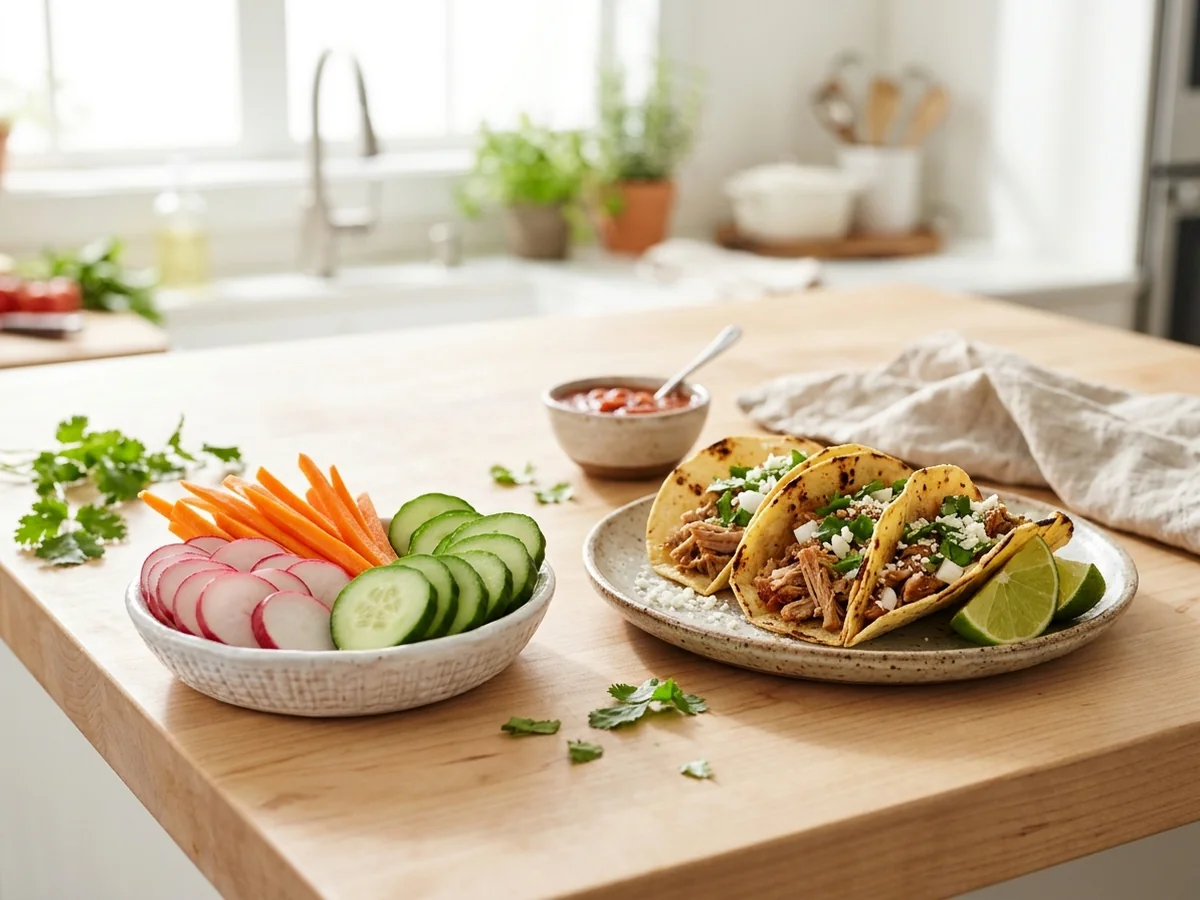
Incorporating fresh, crunchy vegetables is one of the most effective ways to balance heavy proteins and provide a necessary texture contrast when planning sides for tacos. While rice and beans are staples, raw vegetable sides add a vibrant, refreshing element that cleanses the palate between bites. When selecting healthy vegetable sides for tacos, focus on ingredients that maintain their structure, ensuring they offer a satisfying crunch that holds up against warm tortillas and savory fillings.
Here are several ways to incorporate fresh, crispy elements into your meal:
- Jicama: As a root vegetable, jicama is traditionally served raw with lime and chili powder in Mexican cuisine. Its high water content and crisp texture make it an ideal choice to cut through richer taco fillings.
- Radishes: Thinly sliced radishes offer a peppery bite and a bright pop of color. Tossing them in a light squeeze of citrus before serving helps soften their intensity while keeping them crisp.
- Cilantro: This herb, derived from the Coriandrum sativum plant, is a foundational element in many dishes. It is frequently used to brighten tacos with its fresh, citrusy aroma.
- Cucumber Salad: A chilled cucumber salad provides a cooling contrast to spicy taco fillings. This is a common preference for those who enjoy heat-forward seasonings, as the cool temperature of the vegetable helps soothe the palate.
- Cabbage Slaw: Shredded cabbage dressed in a light vinaigrette remains a classic choice. It provides a consistent, reliable crunch that enhances the overall mouthfeel of the meal.
A common mistake when preparing vegetable sides is cutting them too far in advance, which can lead to wilting. To maintain the best texture, slice your vegetables as close to serving time as possible. If you are preparing for a larger gathering, keep your cut vegetables in an ice bath to ensure they stay perfectly crisp until the moment you are ready to assemble your taco bar. By layering these simple, raw preparations, you can elevate your dining experience without requiring long hours in the kitchen, allowing you to focus on creating a balanced spread that features both hot and cold elements.
Flavorful Bean Side Dishes

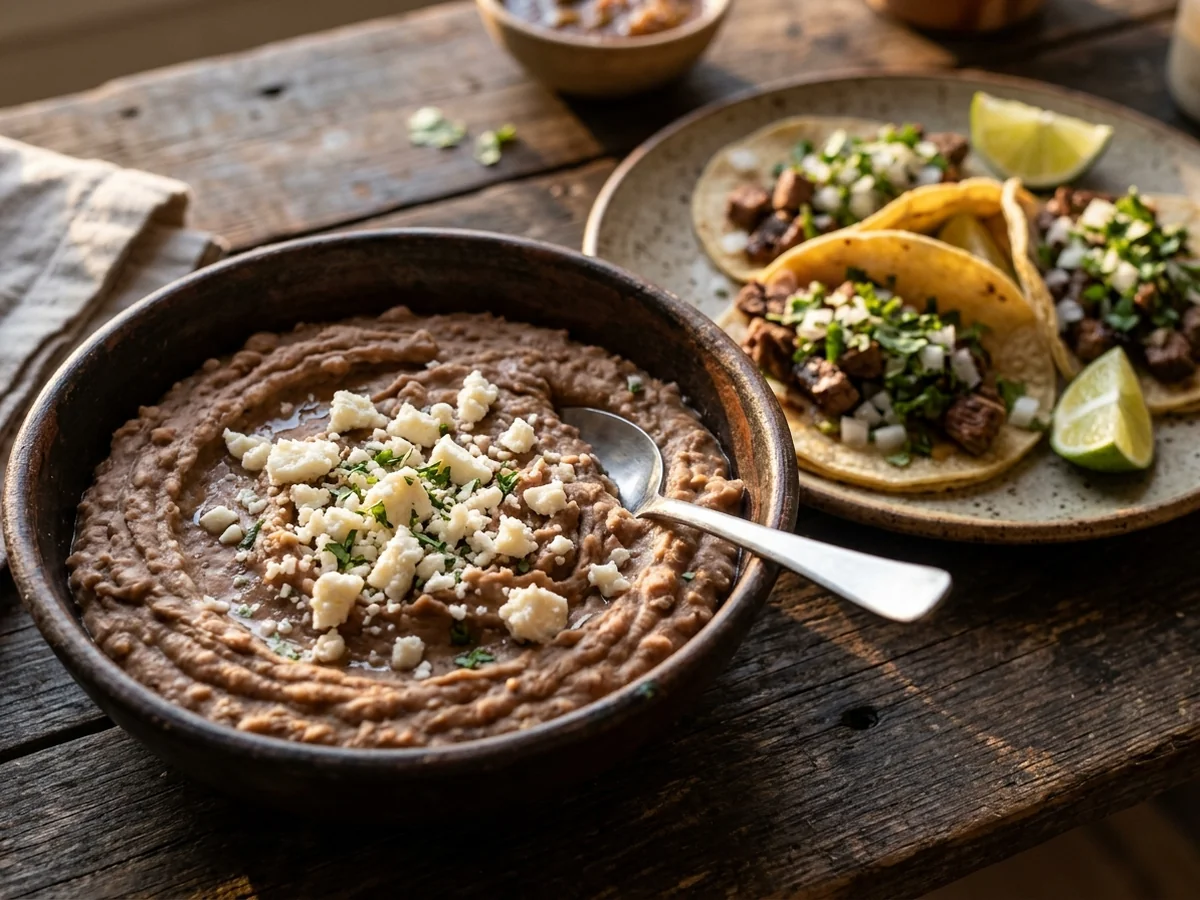
When you are planning a meal centered around handheld proteins, refried beans serve as a foundational element among traditional Mexican taco side dishes. Because they are typically made by boiling pinto beans and mashing them with lard or oil, they provide a dense, creamy texture that anchors the plate. This richness offers a satisfying contrast to the crunch of a shell or the softness of a corn tortilla. When selecting the best sides for chicken tacos, the earthiness of beans balances leaner proteins, while the inclusion of toppings like Cotija, a firm cow milk cheese that does not melt when heated, adds a salty finish.
To keep your taco night manageable, consider the preparation methods for these staples:
| Side Dish | Primary Ingredient | Preparation Method |
|---|---|---|
| Refried Beans | Pinto beans | Boiled and mashed with fat |
| Mexican Rice | Rice | Sautéed then simmered in tomato broth |
| Jicama | Root vegetable | Served raw with lime and chili |
A common mistake when preparing side dishes is neglecting the need for acidity to cut through the fat of the main course. If your taco meat is particularly heavy, avoid overloading the table with nothing but starches. Instead, incorporate healthy vegetable sides for tacos that offer a sharp, refreshing counterpoint. Pico de gallo, which consists of chopped tomatoes, onions, serrano peppers, cilantro, and lime juice, is an ideal choice for this purpose. Cilantro, an herb from the Coriandrum sativum plant, provides a necessary aromatic lift that brightens the entire meal.
If you are wondering what to serve with tacos besides rice and beans, look toward fresh, crisp options. Jicama is a versatile root vegetable often served raw with lime and chili powder, providing a satisfying crunch that mimics the experience of a fresh salad. You might also experiment with salsa verde, which is typically made from tomatillos rather than red tomatoes, to provide a tangy, acidic alternative to standard salsas. By focusing on a mix of cooked, creamy, and raw, crunchy components, you ensure that every bite of your taco meal remains balanced and enjoyable for your guests.
Classic Mexican Rice Sides

Mexican rice, known as arroz rojo, is prepared by sautéing rice before simmering it in a tomato based broth. This staple provides a savory, mild foundation that balances the bold seasonings often found in taco fillings. When planning accompaniments for a taco bar, mastering this rice is essential because its texture and flavor profile act as a comforting anchor for any main dish.
Balancing Your Taco Plate
While rice is a classic, expanding your menu with other authentic Mexican accompaniments adds depth to the meal. For those looking for menu variety that goes beyond standard rice and beans, consider the freshness of raw vegetables. Jicama is a root vegetable often served raw with lime and chili powder in Mexican cuisine to provide a refreshing contrast to heavy or spiced proteins. Another staple is pico de gallo, which consists of chopped tomatoes, onions, serrano peppers, cilantro, and lime juice. Since cilantro is an herb from the Coriandrum sativum plant, it offers a distinct brightness that cuts through the richness of meats.
If you prefer creamy textures, refried beans are typically made by boiling pinto beans and mashing them with lard or oil. You can elevate these dishes by topping them with Cotija, which is commonly known as a firm, cow milk cheese that does not melt when heated. For a vegetable-forward option, elote is traditionally made with mayonnaise, cotija cheese, chili powder, and lime juice, providing a balance of sweet, savory, and tangy notes.
Refreshing Beverage Pairings
Beyond the plate, traditional Mexican beverage pairings like agua fresca elevate the entire dining experience. It is common practice to prepare agua fresca by blending fruit, cereals, flowers, or seeds with water and sugar. These drinks offer a clean, light profile that acts as a perfect palate cleanser between bites, especially when dealing with spicy taco fillings.
| Side Dish | Key Ingredients |
|---|---|
| Pico de Gallo | Tomatoes, onions, serrano peppers, cilantro, lime juice |
| Refried Beans | Pinto beans, lard or oil |
| Elote | Corn, mayonnaise, cotija cheese, chili powder, lime juice |
When hosting, setting up a drink station with clear glass dispensers allows guests to customize their refreshments. To keep the experience authentic, ensure your sides are prepped in advance, as many of these components benefit from time for the flavors to meld.
Creamy Guacamole and Dips
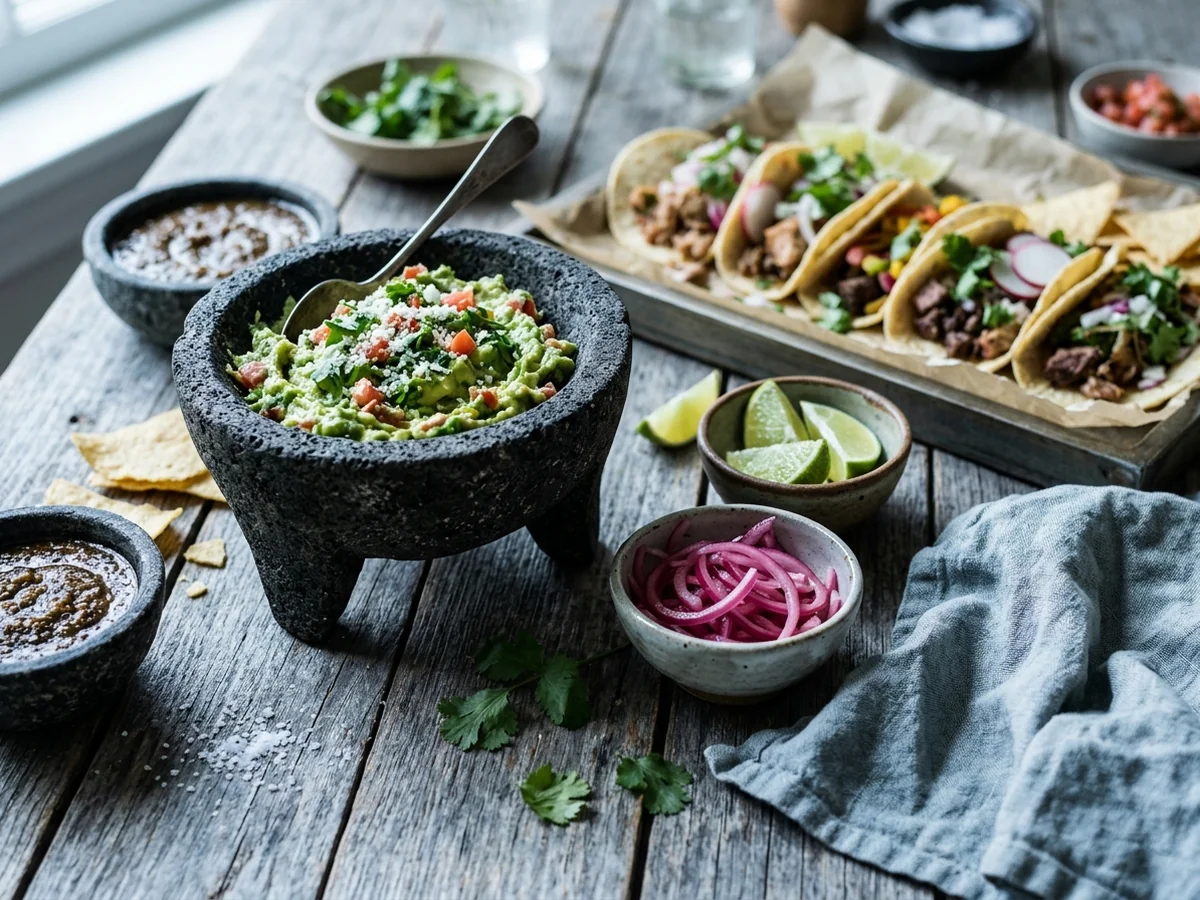
Creamy guacamole and fresh salsas provide a cooling contrast to spicy taco fillings, making them essential components for any gathering. When planning your menu, focusing on components that can be prepared in advance allows you to host with confidence. Proper storage is key, especially for guacamole, which tends to brown due to oxidation. To maintain a vibrant green color, store your guacamole in an airtight container with a thin layer of lime juice or plastic wrap pressed directly against the surface.
Essential Fresh Accoutrements
Beyond traditional guacamole, building a balanced spread involves incorporating various textures and bright flavors. Pico de gallo consists of chopped tomatoes, onions, serrano peppers, cilantro, and lime juice. Note that cilantro is an herb derived from the Coriandrum sativum plant, which offers a distinct citrus-like aroma. For those looking for tangy variety, salsa verde is primarily made from tomatillos rather than red tomatoes. If you want to introduce refreshing vegetable sides, jicama is an excellent choice, as it is a root vegetable often served raw with lime and chili powder in Mexican cuisine.
Warm Sides and Authentic Pairings
When considering options to round out your meal beyond the standard starch-heavy staples, think about how traditional preparations elevate the experience. Mexican rice (arroz rojo) is prepared by sautéing rice before simmering it in a tomato based broth. For a heartier option, refried beans are typically made by boiling pinto beans and mashing them with lard or oil. If you are serving street corn, elote is traditionally made with mayonnaise, cotija cheese, chili powder, and lime juice. Cotija is a firm, cow milk cheese that does not melt when heated, making it a reliable topping for both hot and cold dishes.
| Side Dish | Key Ingredients |
|---|---|
| Pickled Red Onions | Vinegar, water, sugar, salt |
| Agua Fresca | Blended fruit or seeds, water, sugar |
For potluck settings, keep hot sides like beans in a slow cooker on the warm setting to ensure food safety. Meanwhile, acidic components like pickled red onions, which are preserved using a brine of vinegar, water, sugar, and salt, benefit from resting in the refrigerator for a few hours. This time allows the ingredients to meld, resulting in a more flavorful topping for your tacos.
Authentic Mexican Corn Sides
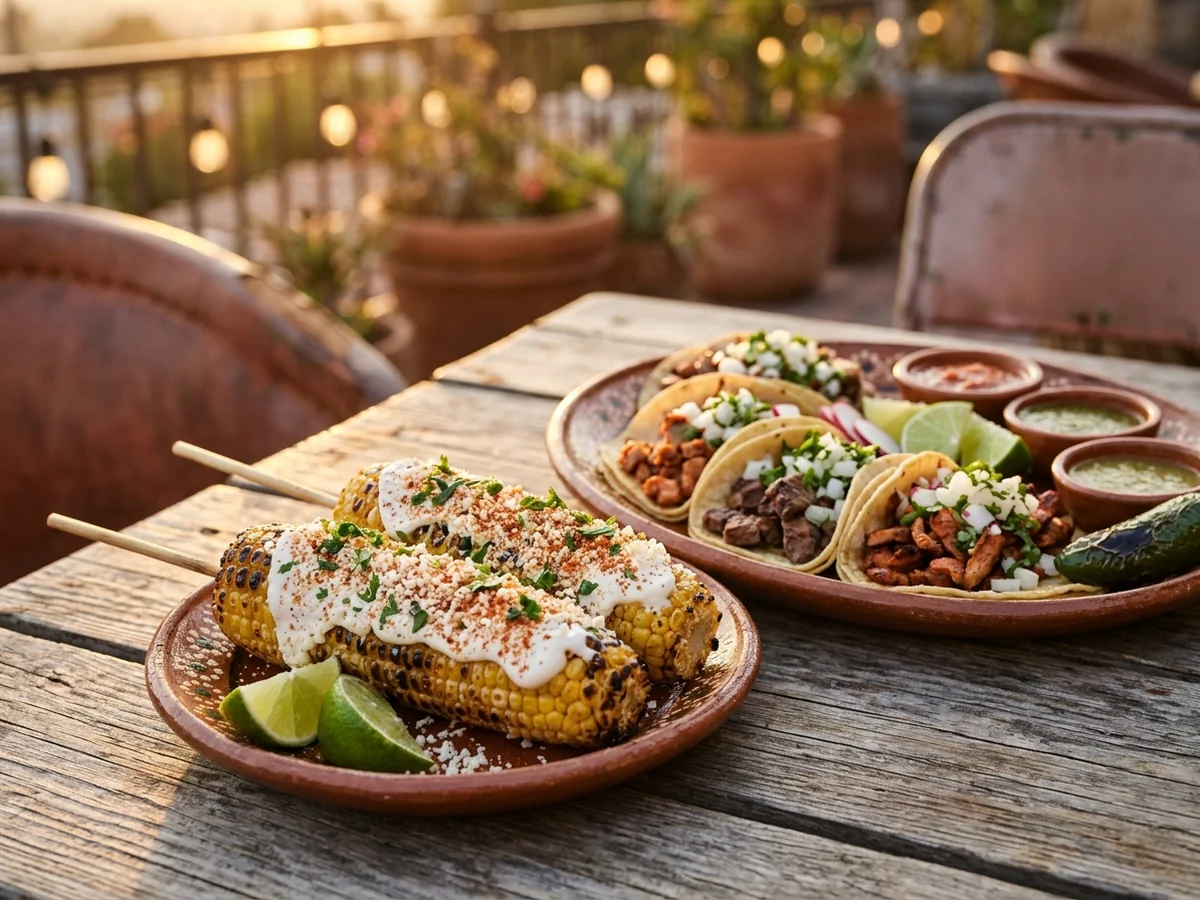
To capture the genuine essence of street-style accompaniments, focus on balancing flavor profiles and selecting ingredients that maintain their texture. Avoiding common preparation pitfalls ensures your corn and starch dishes complement the proteins rather than overpowering them.
- Elote is traditionally made with mayonnaise, cotija cheese, chili powder, and lime juice to create the signature street food flavor.
- Refried beans are typically made by boiling pinto beans and mashing them with lard or oil, so be mindful of the salt levels before serving them alongside savory taco meat.
- Mexican rice, or arroz rojo, is prepared by sautéing rice before simmering it in a tomato based broth, providing a mild foundation that requires careful seasoning to avoid becoming overly salty.
- Cotija is a firm, cow milk cheese that does not melt when heated, making it the preferred choice over standard melting cheeses like cheddar for an authentic street-style finish.
- Pico de gallo consists of chopped tomatoes, onions, serrano peppers, cilantro, and lime juice, which provides the necessary acidity to cut through the richness of heavier taco fillings.
- Jicama is a root vegetable often served raw with lime and chili powder in Mexican cuisine, offering a crisp, refreshing contrast to warm cooked dishes.
When assembling your menu, watch the acidity levels in your vegetable preparations. Since many taco meats are seasoned with deep, savory spices, a bright, acidic side dish acts as a palate cleanser. If you find your beans or rice taste too heavy, a squeeze of fresh lime juice can often restore the balance. Furthermore, choosing a non-melting cheese like cotija adds a salty, savory bite that cheddar simply cannot replicate, as cheddar tends to turn into a thick, oily layer when exposed to the heat of the meat.
FAQ
What side goes well with tacos?
Classic sides for tacos include traditional staples like refried beans, which are typically made by boiling pinto beans and mashing them with lard or oil. Fresh vegetable options like jicama, a root vegetable often served raw with lime and chili powder, also provide a refreshing crunch that balances rich taco fillings.
What food is served with tacos?
Mexican rice, known as arroz rojo, is a common accompaniment prepared by sautéing rice before simmering it in a tomato based broth. Many cooks also include pico de gallo, which consists of chopped tomatoes, onions, serrano peppers, cilantro, and lime juice, to add brightness to the meal.
What appetizers go with tacos?
Elote is a popular choice for an appetizer or side, traditionally made with mayonnaise, cotija cheese, chili powder, and lime juice. You might also consider offering salsa verde, which is primarily made from tomatillos rather than red tomatoes, alongside a bowl of tortilla chips.
What to bring to a potluck with tacos?
When contributing to a taco bar, consider bringing versatile items like pickled red onions, which are commonly preserved using an acidic brine of vinegar, water, sugar, and salt. Bringing a large pitcher of agua fresca, a beverage typically made from blending fruit, cereals, flowers, or seeds with water and sugar, is another crowd-pleasing option.
Does cotija cheese melt on hot tacos?
Cotija is a firm, cow milk cheese that typically does not melt when heated, making it an excellent topping for hot tacos. Its crumbly texture and salty flavor provide a sharp contrast to savory meats and soft tortillas.
Conclusion
Choosing the right sides for tacos comes down to balancing textures and flavors to complement your main protein. If you want a bright finish, reach for raw jicama or fresh pico de gallo, while heartier meals benefit from traditional pinto beans or savory Mexican rice. Consider how much time you have to prepare before deciding between simple raw vegetable sides and cooked options that require stove time. Start by picking one fresh salsa and one hearty dish to create a well rounded menu for your next gathering.
Sources: food.unl.edu, extension.oregonstate.edu, training.jacksonms.gov, reports.bankstreet.edu
You might also like: Ground Beef Recipes: 40 Easy & Frugal Family Dinners