Spring Dinner Ideas: 30 Fresh & Light Recipes for the Season
Introduction
You can transition to lighter, flavor-forward meals by incorporating fresh seasonal produce into your nightly routine with these spring dinner ideas. These easy spring dinner recipes focus on elevating simple ingredients to create satisfying, vibrant dishes perfect for warmer weather.
This collection highlights 30 approachable options that utilize seasonal staples like asparagus, which is widely recognized as a key seasonal vegetable for spring cooking. You will find a variety of quick weeknight spring meals, including sheet-pan proteins, herb-packed pasta dishes, and comforting soups that celebrate the best of the season. Each selection emphasizes efficiency and brightness, helping you move away from heavy winter fare toward healthy seasonal dinner ideas that fit easily into a busy schedule.
Refreshing Your Kitchen for the New Season
Transitioning from heavy winter comfort foods to lighter, vibrant plates marks the return of milder weather and fresh garden produce. Shifting your focus toward ingredients that require shorter cooking times helps create meals that feel bright and energizing. You can easily adapt your menu by swapping rich, slow-cooked braises for quick preparations that highlight the natural flavors of the harvest.
Asparagus is a key seasonal vegetable for spring cooking, making it an essential component for your weekly rotation. These tender stalks offer a crisp texture that pairs beautifully with simple seasonings like lemon zest or shaved parmesan. Adding fresh herbs such as dill, mint, and tarragon further elevates these dishes, providing an aromatic brightness that defines the season.
Incorporating these fresh elements into your routine is straightforward when you emphasize quality produce. Consider these simple ways to brighten up your table:
- Pairing snap peas and mint with one-pan pork chops for a quick, balanced meal.
- Using fried zucchini to build a creamy sauce for dishes like Spaghetti alla Nerano.
- Adding artichokes to a savory lamb ragu for a sophisticated seasonal touch.
- Serving Spanakorizo with jammy eggs to introduce hearty, herb-forward flavors.
- Mixing radishes and lime with sheet-pan miso chicken for a crisp, zesty finish.
Focusing on these ingredients allows you to move toward healthy seasonal dinner ideas without sacrificing satisfaction. By prioritizing produce at its peak, you ensure that even simple, quick weeknight spring meals feel like a deliberate celebration of the changing landscape.
Spring Vegetables to Feature
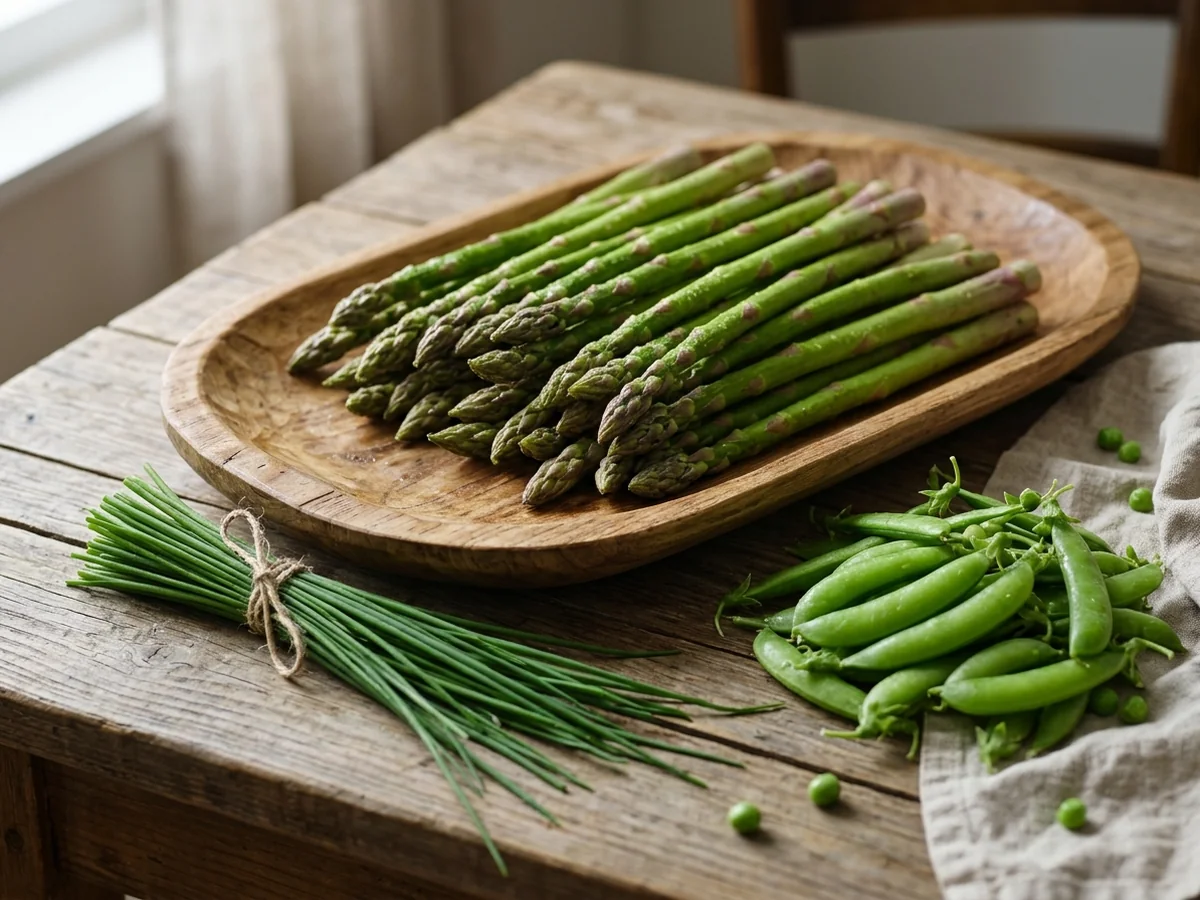
Fresh produce acts as the foundation for vibrant, light evening meals, with asparagus serving as a key seasonal vegetable for spring cooking. Beyond this classic favorite, incorporating a variety of early harvest staples ensures your kitchen reflects the changing season.
- Select asparagus spears that are firm and bright, ensuring the tips remain tightly closed rather than spread out.
- Look for snap peas that offer a crisp snap when bent, as this indicates they were recently harvested and will hold their texture well.
- Choose leeks with dark green tops and clean white bases, then store them unwashed in the refrigerator to keep them from drying out.
- Pick ramps with vibrant leaves and firm bulbs, keeping them wrapped in a damp paper towel to maintain their delicate moisture.
- Identify high-quality artichokes by their tight, compact leaves and heavy weight, which suggests they have not yet begun to dry out.
- Store your spring produce in the crisper drawer of your refrigerator, ideally within perforated plastic bags to maintain airflow while preventing wilting.
When you prioritize fresh, seasonal ingredients, you naturally enhance the flavor of your vegetable-focused dinner dishes. Proper storage techniques, such as keeping delicate greens like ramps away from ethylene-producing fruits, help maintain their quality until you are ready to cook. Focusing on these simple selection and handling methods allows the natural sweetness and texture of your spring vegetables to shine in every bite, making it easier to create healthy seasonal dinner ideas that feel special yet remain simple to prepare.
Quick Weeknight Spring Meals
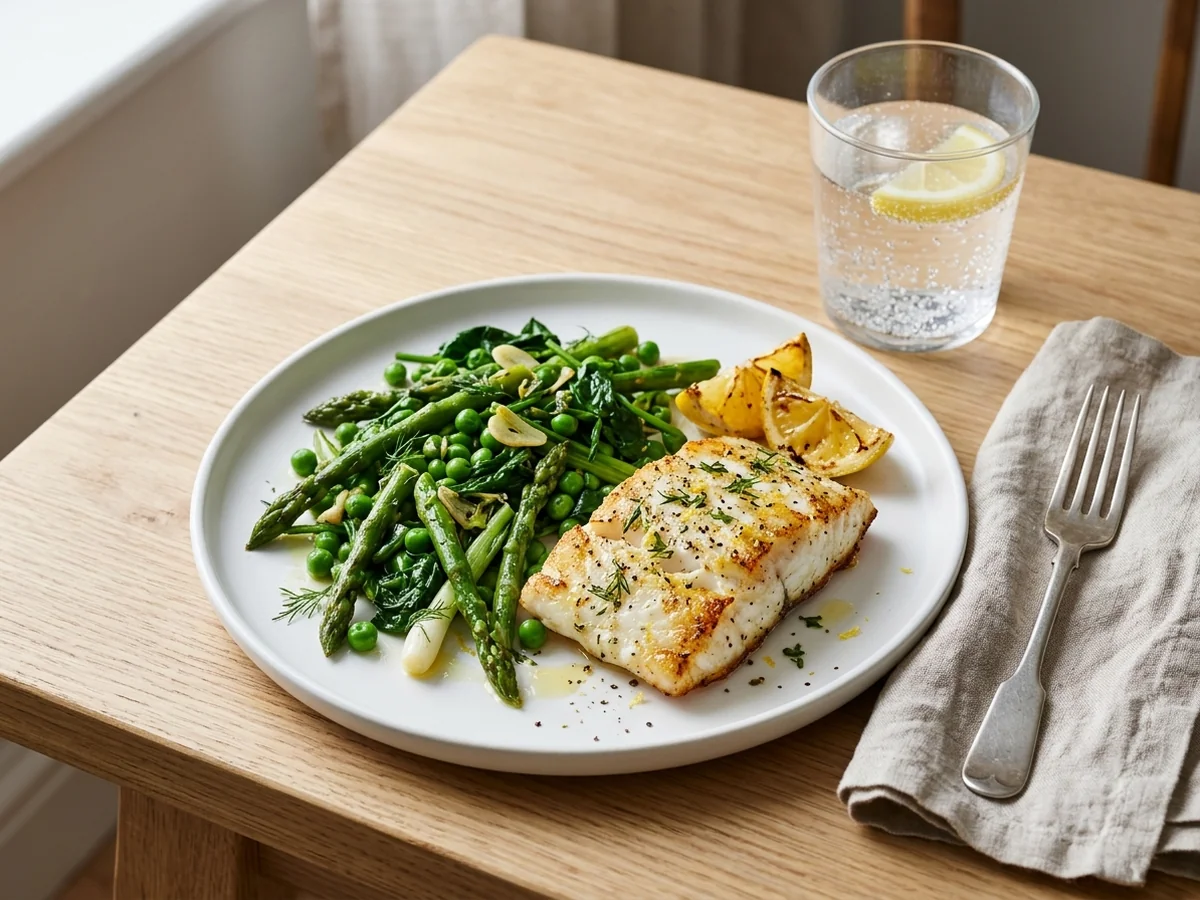
When you need efficient solutions for your evening routine, these quick weeknight spring meals focus on fresh, seasonal ingredients that require minimal cleanup. These spring dinner ideas prioritize speed without sacrificing the vibrant flavors of the season, making them ideal for busy schedules.
- Chicken paillard is a common staple for many home cooks, as this thin, tender cut of meat can often be prepared in 30 minutes.
- You can achieve a fast and flavorful result by preparing sheet-pan miso chicken, which is often paired with radishes and lime for a bright finish.
- One-pan pork chops seasoned with feta, mint, and snap peas offer a balanced dish that highlights fresh spring produce in a single skillet.
- Asparagus is a key seasonal vegetable for spring cooking, as noted by the University of Illinois Extension, and it serves as an excellent, nutrient-dense addition to any of these fast recipes.
- Using a single cooking vessel for these proteins and vegetables helps keep your kitchen workflow smooth and efficient during the work week.
These recipes rely on high-heat cooking methods to bring out the natural sugars in early-season vegetables like snap peas and radishes. By pairing lean proteins with these quick-cooking greens, you ensure that every meal feels light, satisfying, and perfectly suited for the warming weather. Whether you opt for the simplicity of a sheet-pan roast or the speed of a pounded chicken breast, these dishes provide a straightforward way to incorporate fresh, seasonal elements into your regular rotation.
Plant Forward Spring Flavors
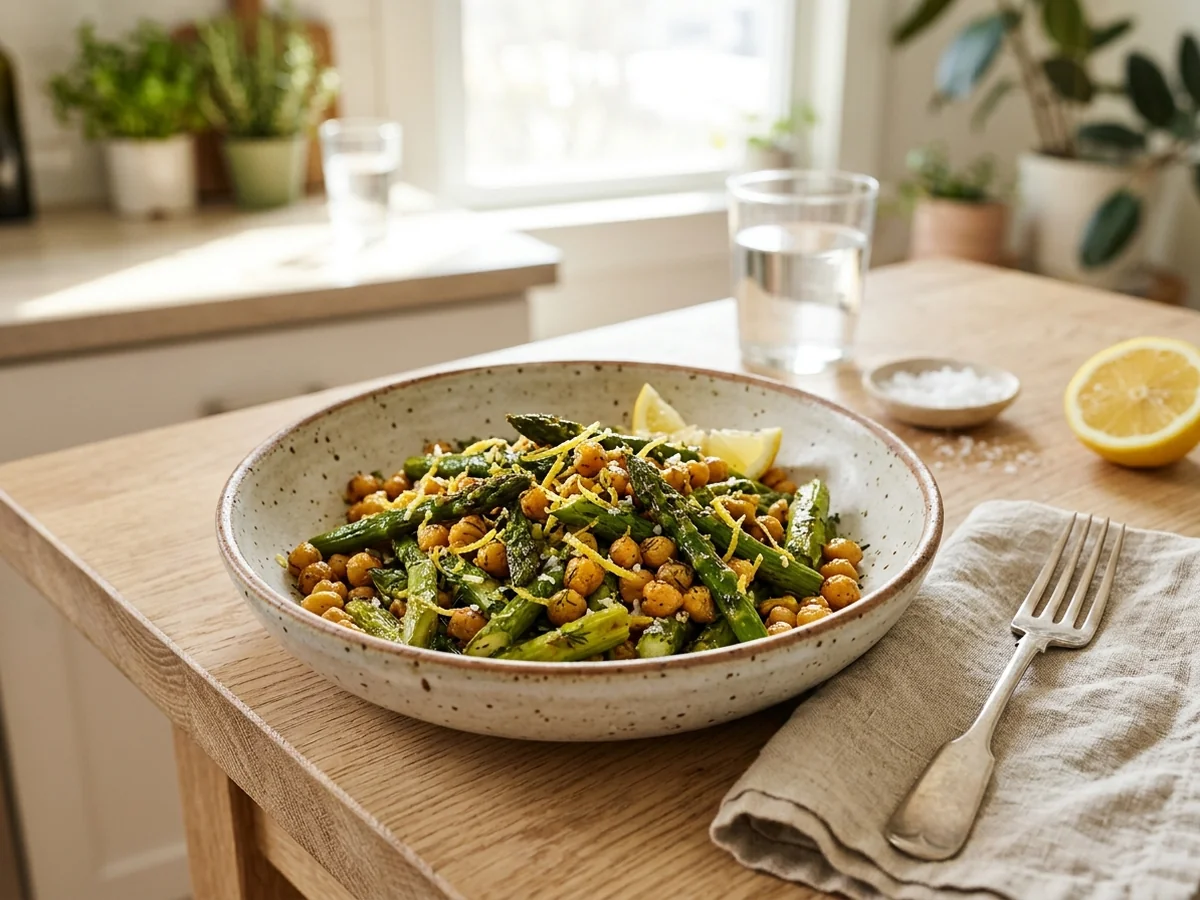
Focusing on fresh produce and global techniques transforms simple ingredients into vibrant, light meals. By leaning into seasonal harvests like asparagus, you can create easy spring dinner recipes that highlight the natural brightness of the time of year.
Integrating plant-based proteins and grains allows for satisfying, meat-free options that celebrate the arrival of milder temperatures. These dishes rely on clever preparation methods to build depth and texture without needing heavy additions.
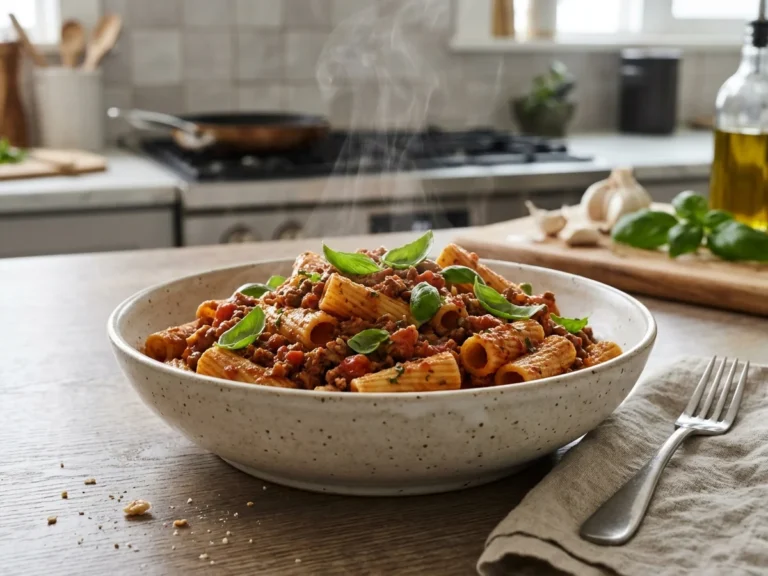
- Spaghetti alla Nerano is a traditional Italian pasta dish that typically uses fried zucchini to create a silky, creamy sauce without needing dairy.
- Mujaddara is a common Levantine staple that combines lentils, rice, and caramelized onions for a balanced and savory meal.
- Spanakorizo is a classic Greek rice dish featuring spinach and herbs, which can be served with jammy eggs for extra richness.
- Asparagus is a key seasonal vegetable for spring cooking, offering a versatile base that works well in stir-fries, risottos, or as a simple roasted side.
- One-pan pork chops can be elevated by incorporating snap peas, fresh mint, and crumbled feta to balance the savory meat with crisp, seasonal produce.
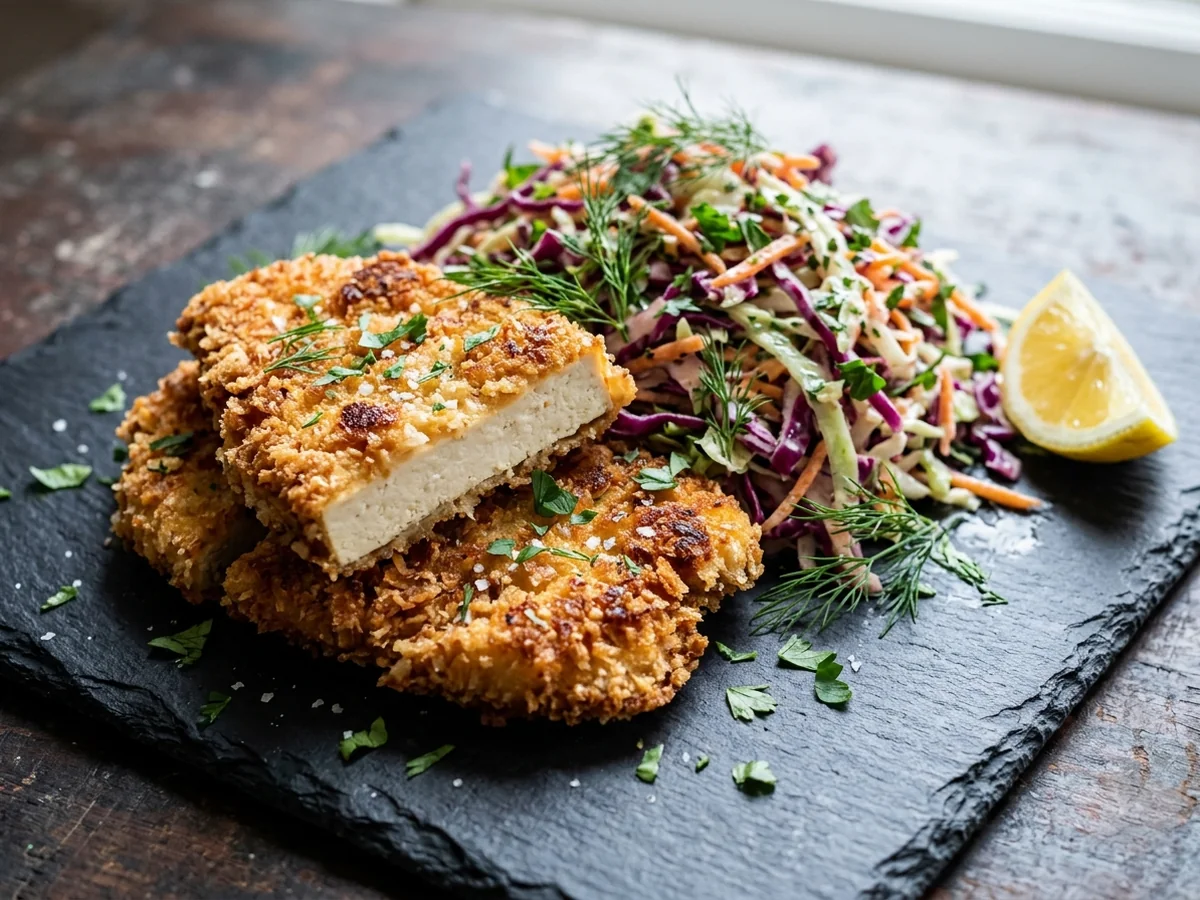
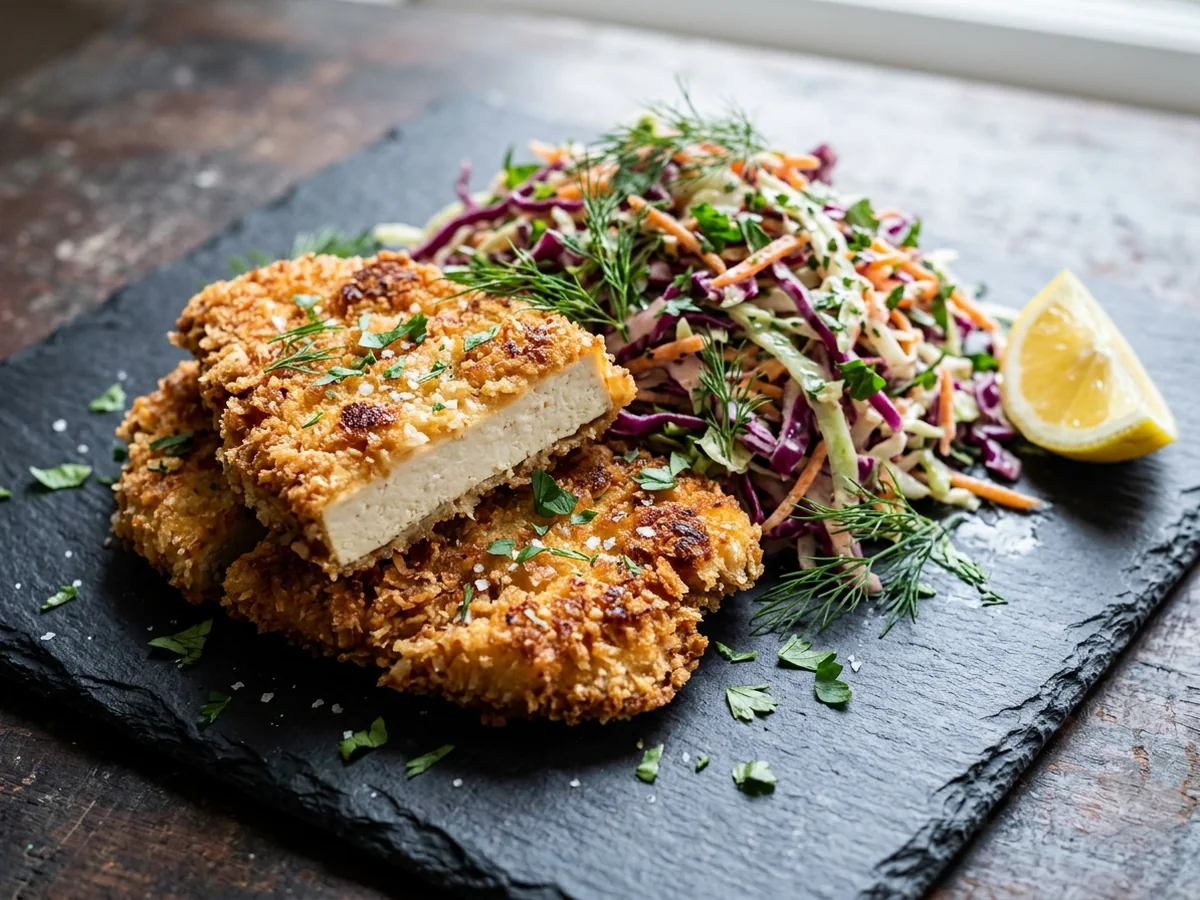
- Tofu schnitzel provides a satisfying crunch and can be served alongside a tangy buttermilk slaw for a light yet filling main course.
These approaches emphasize how intentional cooking techniques, such as caramelizing onions or frying zucchini, turn simple vegetables into the centerpiece of your plate. Whether you are using pulses like lentils or relying on fresh spring greens, these recipes prove that prioritizing produce creates the most memorable meals of the season.
Light Proteins and Herbs
Focusing on lean proteins and vibrant aromatics is a reliable way to create easy spring dinner recipes. These elements lighten the plate while celebrating the arrival of fresh, seasonal ingredients.
Tofu schnitzel serves as a satisfying plant-based main when paired with a crisp buttermilk slaw. The acidity of the buttermilk dressing cuts through the breading, providing a refreshing contrast that makes the dish feel suited for warmer evenings.
Lamb ragu paired with artichokes is a refined way to bridge the gap between seasons. While lamb is traditionally associated with cooler weather, cooking it into a ragu and incorporating artichokes grounds the dish in the distinct flavors of the spring harvest.
Finishing dishes with lemon, dill, and fresh herbs is essential for elevating the flavor profile of any meal during this time of year. These finishing touches act as a bright counterpoint to proteins and vegetables, ensuring the final result feels vibrant rather than heavy. Incorporating these aromatics at the end of the cooking process preserves their delicate oils and color.
- Use fresh lemon zest to add a sharp, clean finish to pasta or roasted vegetables.
- Stir in chopped dill or mint just before serving to maintain their bright, garden-fresh scent.
- Top finished dishes with a handful of tender, soft-stemmed herbs like chervil or tarragon for a professional touch.
These simple additions transform basic proteins into memorable, seasonal meals. By prioritizing these bright notes, you can easily shift your menu toward the lighter, more vibrant options that define the season.
Soup and Salad Pairings

You can achieve a familiar, comforting tomato basil flavor profile without the traditional acidity by using carrot purée combined with a splash of cream. This technique, often seen in preparations like those at Nordstrom, creates a silky, mellow texture that serves as an excellent base for seasonal meals. It provides the warmth of a classic soup while remaining light enough to transition into the warmer months.
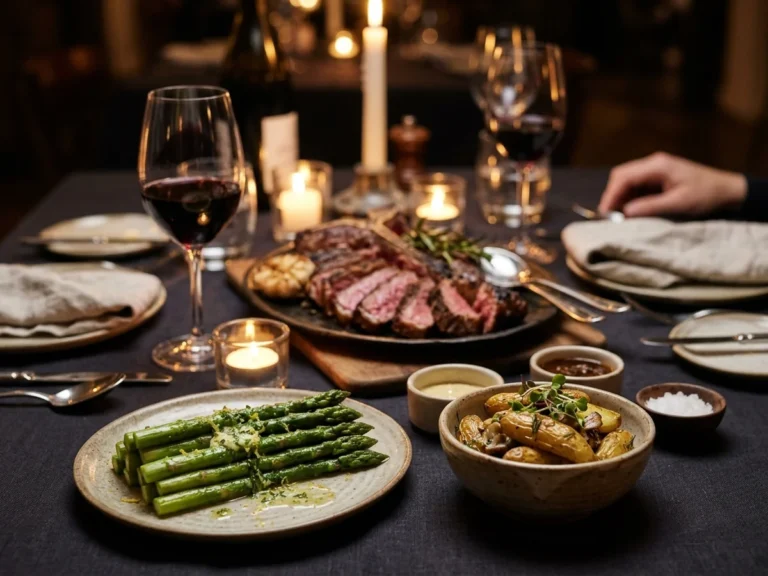
For a refreshing side, focus on building hearty salads that highlight vibrant, seasonal produce. Asparagus is a key seasonal vegetable for spring cooking and pairs exceptionally well with sautéed leeks. These two ingredients provide a satisfying crunch and an earthy depth that anchors a fresh bowl, especially when finished with a bright lemon vinaigrette or shaved parmesan.
Balancing a lighter soup course with a substantial protein ensures your evening meal feels complete without being overly heavy. Follow these common practices to create well-rounded plates:
- Pair your vegetable-forward soup with chicken paillard, which is a choice that typically comes together in 30 minutes.
- Serve a chilled asparagus or leek soup alongside one-pan pork chops seasoned with fresh mint, snap peas, and feta for a crisp, herbaceous finish.
- Introduce a simple tofu schnitzel with a side of buttermilk slaw to add protein and creaminess without weighing down the palate.
Keeping the soup course modest allows the main protein to shine while maintaining an overall sense of lightness. By focusing on these pairings, you can easily pull together dinner ideas that emphasize fresh, seasonal flavors for your rotation of spring vegetable dinner dishes.
Scaling for Spring Gatherings

Scaling spring dinner ideas for a crowd requires adjusting your ratios to maintain the brightness of seasonal produce while choosing recipes that naturally hold their texture. When increasing portions, avoid simply doubling every ingredient, as liquid ratios and cooking times often shift in larger pots or pans.
Focus on dishes that rely on roasting or slow-braising to ensure consistent results across larger batches. Since asparagus is a key seasonal vegetable for spring cooking, consider sheet-pan formats that allow you to cook multiple portions at once without steaming the vegetables into mush.
- Prioritize hardy proteins like chicken or pork that remain moist when prepared in bulk quantities.
- Select grain-based dishes like Levantine mujaddara, which is commonly made from rice, lentils, and onions, because it maintains its integrity better than delicate pasta when served for a group.
- Keep fresh herbs like mint, dill, and tarragon on the side to stir in right before serving to maintain that essential springtime aroma.
- Choose recipes that use durable vegetables like artichokes or leeks, as they hold up well during longer cooking times.
- Balance your menu with crisp white wines, such as Sauvignon Blanc, which provide enough acidity to cut through the richness of spring sauces.
- Offer chilled herbal teas steeped with lemon or cucumber for a non-alcoholic option that complements the light flavor profiles of the meal.
When hosting, keep your beverage pairings focused on light, aromatic profiles. Crisp whites or herbal infusions help balance the earthy notes of seasonal ingredients, ensuring the meal feels cohesive from the first course to the last.
Simple Spring Dinner Tips
Elevating your evening meals during the transition to warmer weather relies on respecting the delicate nature of seasonal produce while balancing flavors effectively. Mastering these techniques ensures your dishes highlight the vibrant ingredients currently in peak form.
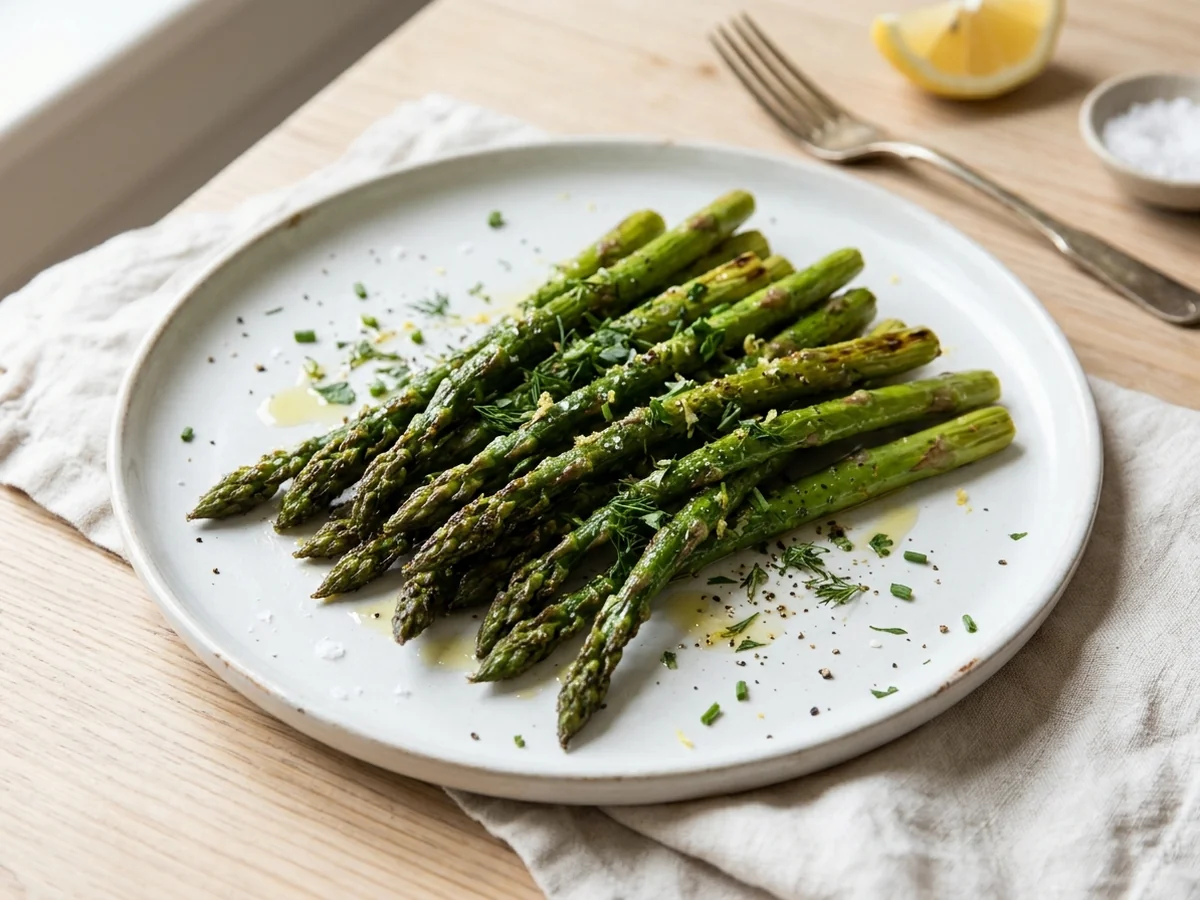
- Treat asparagus as a key seasonal vegetable for spring cooking by preparing it just until tender, as overexposure to heat quickly turns its crisp, bright texture into something mushy and unappealing.
- Avoid the common mistake of letting your vegetables go bland by failing to salt them sufficiently, especially since fresh, natural sweetness requires a little boost to really shine on the plate.
- Brighten up heavier foundations from your winter rotation by incorporating acidic elements like lemon juice or zest, which provide the necessary lift to make ingredients feel lighter and more seasonal.
- Monitor your snap peas closely during the cooking process, as these delicate gems lose their signature snap if they spend too much time in a hot pan or boiling water.
- Balance the inherent earthiness of ingredients like leeks or artichokes with fresh herbs or citrus, ensuring that your meals prepared on busy evenings feel vibrant rather than weighted down.
Focusing on these small adjustments transforms how you approach nutritious, seasonally inspired dinner options in your own kitchen. By paying attention to the specific needs of each vegetable, you maintain the integrity of the season’s best offerings while creating balanced, flavorful plates for your household.
FAQ
What are some quick weeknight spring dinners?
Chicken paillard is often prepared in about 30 minutes, making it a popular choice for busy evenings. You might also consider one-pan pork chops seasoned with feta, snap peas, and mint for a fast and flavorful option that minimizes cleanup.
How can I incorporate seasonal vegetables into easy meals?
Asparagus is a key seasonal vegetable for spring cooking, and it works well in pasta, stir-frys, or roasted as a side dish. You can also try adding artichokes to a lamb ragu or folding sautéed leeks into grain bowls to highlight fresh spring produce.
What are some light, herb-forward dinner ideas?
Spaghetti alla Nerano is a classic dish that uses fried zucchini to create a creamy sauce without heavy dairy. Another light option is sheet-pan miso chicken, which pairs beautifully with fresh radishes and a bright squeeze of lime juice.
Can I make comforting meals that still feel light for spring?
Mujaddara is a traditional Levantine dish made from rice, lentils, and onions that offers a satisfying, plant-based comfort food experience. For a soup-based dinner, you can prepare a tomato basil soup using carrot purée and a splash of cream to achieve a silky texture that feels lighter than winter stews.
Are there unique ways to prepare tofu for dinner?
Tofu schnitzel serves as a crispy, plant-based protein that pairs well with a tangy buttermilk slaw. This combination provides a nice balance of textures and flavors that feels refreshing during the warmer months.
How do I serve traditional Greek dishes for a spring dinner?
Spanakorizo, a flavorful Greek spinach and rice dish, is often served with jammy eggs for extra protein. These traditional recipes rely on fresh herbs and simple techniques to maximize the flavor of seasonal greens.
Conclusion
Choosing the right recipe starts with identifying which fresh, seasonal ingredients are currently available at your local market. Asparagus is a key seasonal vegetable for spring cooking, making it an excellent starting point for your menu planning. Once you select your produce, you can browse these spring dinner ideas to find a preparation method that fits your schedule, whether you need a quick thirty-minute meal or a more leisurely dish. Simply pick a protein or grain that pairs well with your chosen vegetable to create a light and satisfying meal tonight.
Sources: extension.illinois.edu
You might also like: Sunday Dinner Ideas: 35 Best Recipes to Feed a Crowd