Light Summer Dinners: 25 Refreshing & Easy Warm Weather Meals
Introduction
You can beat the heat by preparing light summer dinners that focus on fresh seasonal produce and minimal stovetop time. These light summer dinners prioritize simple preparation methods to keep your kitchen cool while maximizing the flavors of peak-season ingredients.
This guide offers a curated selection of 25 refreshing meals ranging from crisp vegetable salads and chilled soups to protein-forward dishes like swordfish with eggplant or traditional tomato-based gazpacho. You will find inspiration for no-cook preparations, Mediterranean-inspired plates, and creative ways to use summer staples like ripe tomatoes and culinary herbs. Whether you are searching for quick weekday solutions or relaxed evening meals, these recipes help you navigate hot weather cooking with ease.
Keeping the Kitchen Cool with Peak Seasonal Ingredients
You can easily assemble satisfying meals without turning on the oven by focusing on minimal heat preparation and high quality seasonal produce. Choosing ingredients at their peak from local farmers markets ensures that simple dishes require very little intervention to taste exceptional. When the weather warms up, the goal is to balance efficiency with vibrant, fresh flavors that make the most of the season.
Many quick recipes rely on the natural intensity of ingredients like ripe tomatoes, fresh herbs, and crisp vegetables. By selecting items that are currently in harvest, you spend less time masking flavors and more time enjoying the natural profile of your food. This approach turns basic preparation into an elevated experience, perfect for those evenings when you want to avoid adding extra warmth to your home.
Focusing on these strategies helps you manage your time while keeping your evening routines relaxed:
- Prioritize raw or chilled components, such as traditional Gazpacho which relies on ripe tomatoes, salt, and sometimes a freeze-thaw step for texture.
- Incorporate staples like Panzanella salad, which typically consists of dried bread and salted ripe tomatoes.
- Use quick-cooking proteins or pre-cooked items to maintain a balance of convenience and satisfaction.
- Consider cold noodle dishes like Bibim Guksu, which are commonly prepared with a gochujang-based sauce.
- Experiment with regional specialties, such as Sicilian-style preparations featuring swordfish, tomatoes, and eggplant, or dishes incorporating fruits like ackee.
By keeping your methods simple and your ingredients fresh, you can create delicious options for your table that honor the season. These techniques keep the kitchen environment comfortable while ensuring every meal feels special and intentional.
Best Summer Produce Recipes
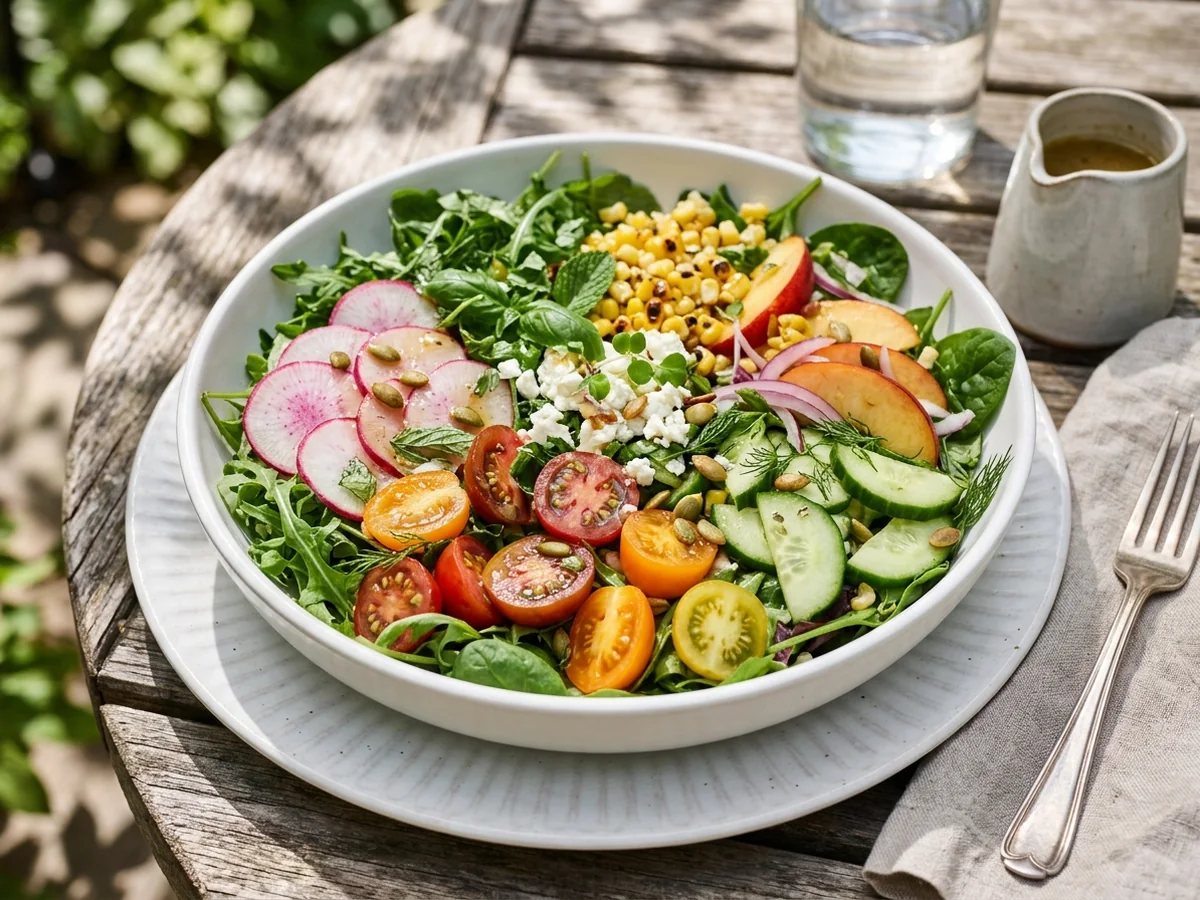
The secret to exceptional warm-weather meals lies in visiting local farmers markets to identify peak seasonal produce. Selecting ingredients at their height of ripeness ensures that the natural flavors shine without the need for heavy sauces or complex preparation. When you prioritize items harvested at maturity, you spend less time in the kitchen and more time enjoying the vibrant, fresh tastes of the season.
For maximum impact, focus on choosing high-quality tomatoes and stone fruits that feel heavy for their size and possess a fragrant aroma. Tomatoes destined for dishes like a classic bread salad or a traditional gazpacho, which relies on ripe tomatoes and salt to create its signature profile, should be firm yet yielding to gentle pressure. According to Oklahoma State University, using a freeze-thaw step can further enhance the texture of a traditional gazpacho made with these high-quality tomatoes.
Sourcing ingredients that require minimal seasoning is essential for creating effortless meals. When produce is picked at its peak, it naturally contains the sugars and acidity needed to balance a dish. By keeping your pantry stocked with foundational items, you can easily assemble nutritious plates using only a few components. This approach celebrates the ingredient itself rather than masking it, which is why simple, high-quality components remain the backbone of culinary traditions worldwide.
- Select stone fruits like peaches or nectarines that give slightly when pressed near the stem.
- Look for tomatoes with deep, uniform color and a earthy, sweet scent at the vine end.
- Prioritize vegetables that look bright, firm, and free of blemishes to ensure optimal flavor.
Cold Soup Preparation Techniques
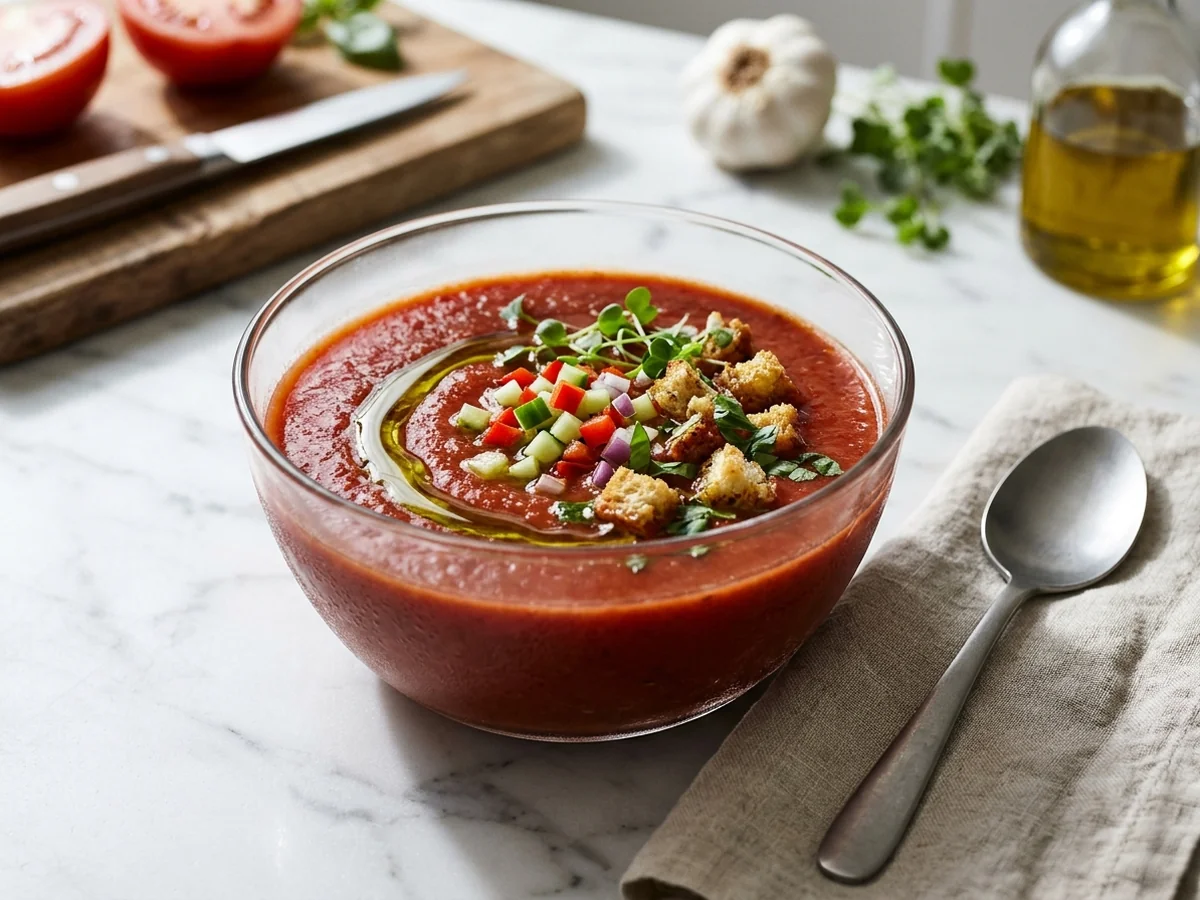
Traditional gazpacho relies on the foundational science of using ripe tomatoes and salt to create a balanced, flavorful base for chilled soups. The salt draws moisture out of the tomatoes, concentrating their natural sugars and acidity, which defines the character of many light summer dinners.
To improve the texture of your gazpacho, you can utilize the freeze-thaw method. According to Oklahoma Gardening, this specific technique helps break down tomato cell walls, resulting in a smoother, more refined consistency that is difficult to achieve through blending alone.
Balancing acidity and salt is essential when preparing chilled dishes, as cold temperatures often mute the perception of flavors. You should follow these guidelines to ensure your soup remains vibrant:
- Add salt in small increments, tasting after each addition to ensure the tomatoes remain bright rather than just salty.
- Introduce acidic elements like high-quality vinegar or lemon juice gradually to cut through the sweetness of the produce.
- Allow the finished soup to rest in the refrigerator for at least an hour, which allows the salt and acidity to integrate fully with the other ingredients.
By focusing on these preparation techniques, you can master healthy summer dinner recipes that prioritize seasonal quality. Consistent tasting is your most reliable tool for achieving the right profile in any cold soup preparation. Always start with the ripest tomatoes available to ensure your base has the depth required to stand up to the cooling process.
Global No-Cook Inspiration
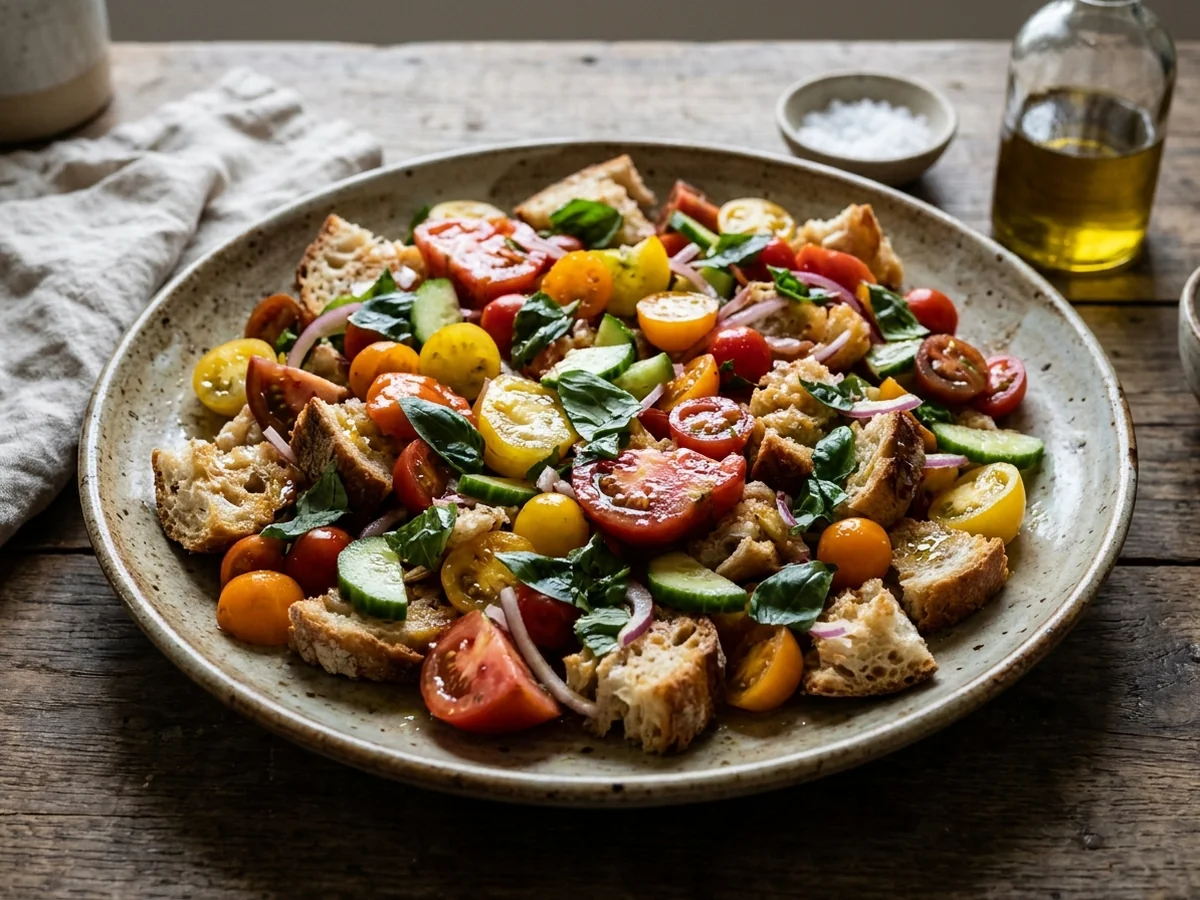
You can beat the heat by drawing on international culinary traditions that prioritize raw, fresh ingredients over stove-top cooking. These flavor-forward options provide satisfying, cool alternatives for no-cook summer dinners.
- Panzanella salad is a classic approach to using day-old bread, which acts as a sponge for the juices of salted ripe tomatoes.
- Bibim Guksu offers a refreshing change of pace, featuring cold noodles tossed in a spicy, savory gochujang-based sauce.
- Ackee, a vibrant red-skinned fruit, serves as a traditional, nutrient-dense component in various Jamaican national dishes.
- Traditional gazpacho relies on the quality of ripe tomatoes and salt, with some recipes utilizing a freeze-thaw step to achieve a superior, silky texture.
- Chilled preparations allow seasonal produce to shine without requiring you to turn on the oven or stove during peak temperatures.
Focusing on these global techniques helps you assemble impressive meals with minimal effort. By choosing ingredients that benefit from macerating or chilling, you create complex flavors that feel indulgent while keeping your kitchen cool.
Light Proteins and Seafood
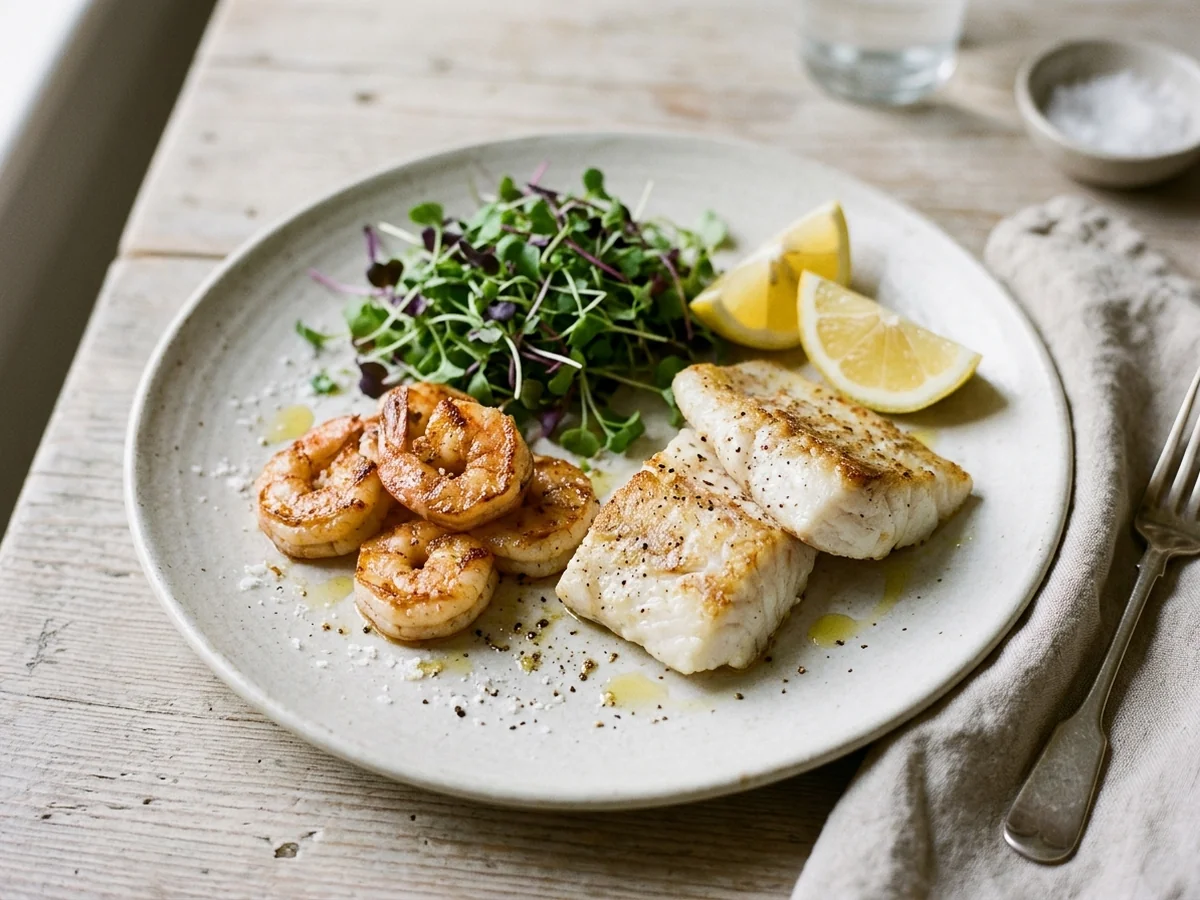
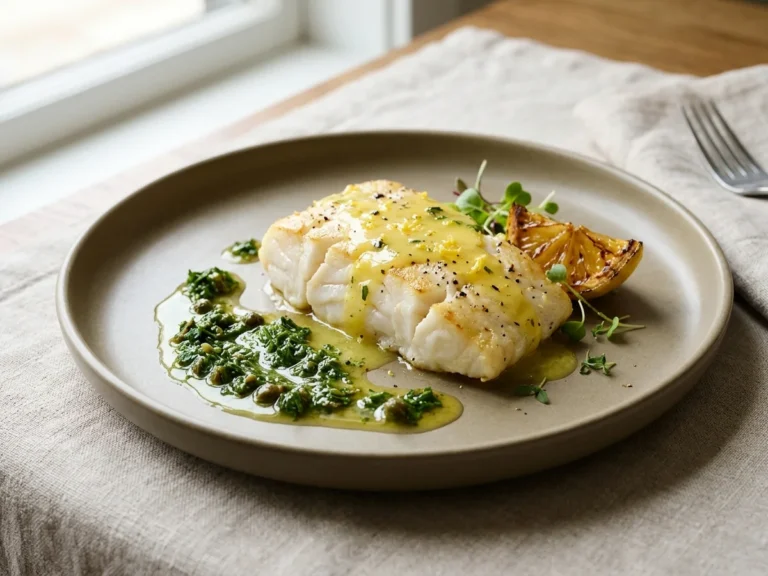
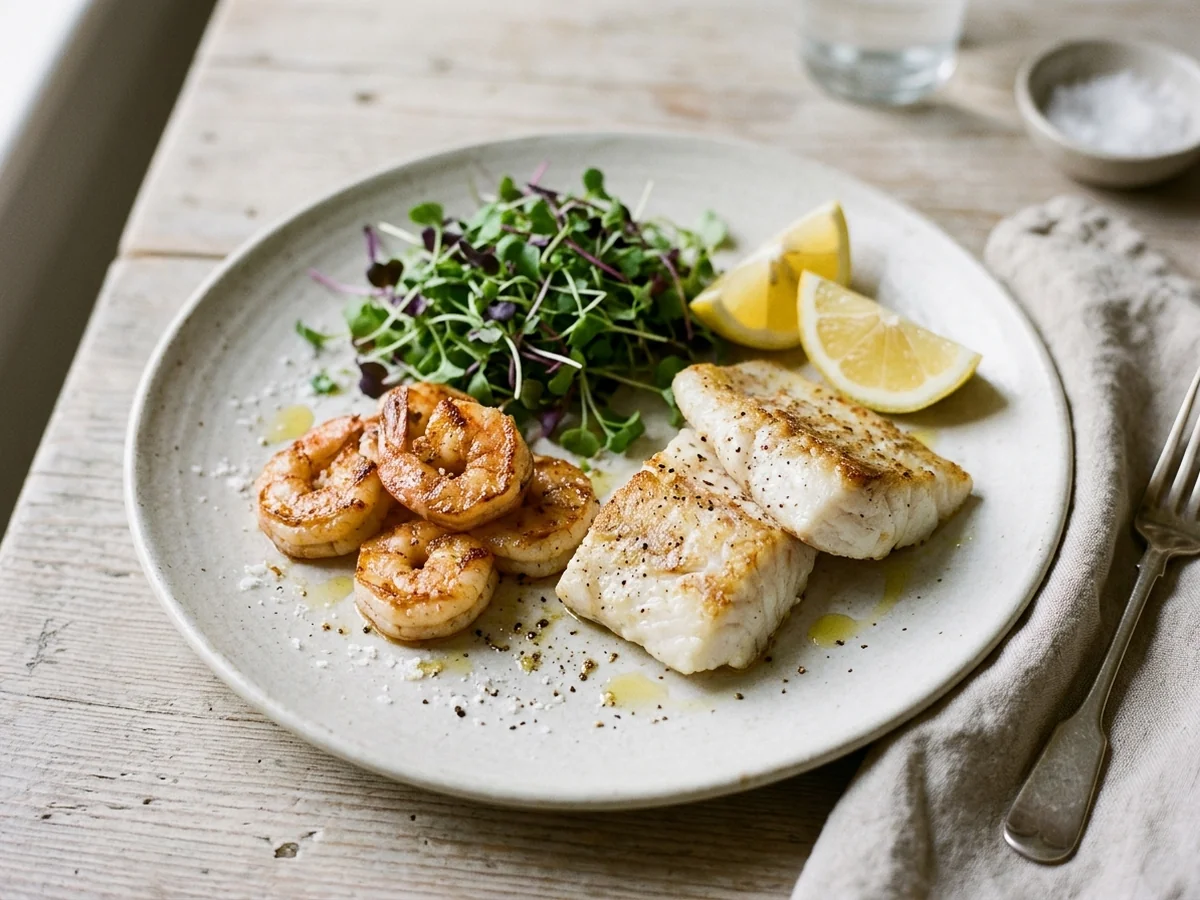
Selecting light proteins such as firm white fish, shrimp, or shellfish provides a satisfying foundation for meals that do not weigh you down. These options cook rapidly, making them ideal for quick summer dinner ideas for hot nights when you want to minimize time spent near a hot stove.
A classic example of how to combine these ingredients is Rigatoni Con Pesce Spada. As is common in Sicilian cooking, this dish typically features a flavorful combination of swordfish, tomatoes, and eggplant. The swordfish provides a hearty, meaty texture that balances perfectly with the acidity of the tomatoes and the earthy notes of the eggplant, all while remaining relatively lean.
When preparing these ingredients, focus on methods that prevent excessive ambient heat in your kitchen. Rapid searing in a hot pan is a highly efficient technique for swordfish steaks or shrimp, as it develops a crisp exterior in just a few minutes without requiring a long oven cycle. This method keeps the kitchen cool and preserves the delicate moisture of the seafood.
Beyond traditional searing, consider these strategies for incorporating lean, protein-rich items into your evening routine:
- Use a grill pan or outdoor grill to sear fish fillets, which keeps the heat entirely outside or contained to a small surface area.
- Poach shrimp or white fish in a flavorful broth or citrus juice, a process that relies on residual heat rather than intense, prolonged flame exposure.
- Assemble cold seafood salads that feature pre-cooked or quickly blanched proteins, allowing you to prepare the main component well in advance.
Quick Summer Dinner Ideas
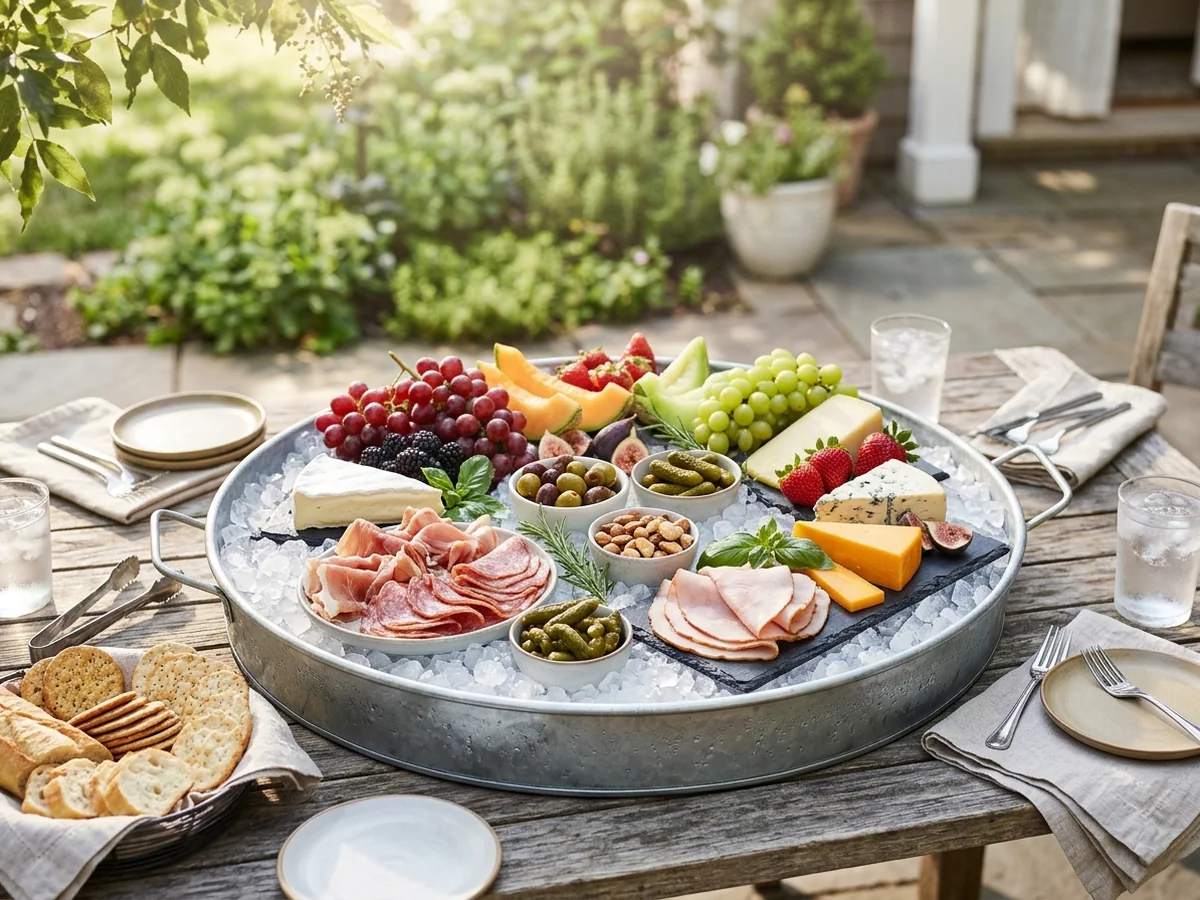
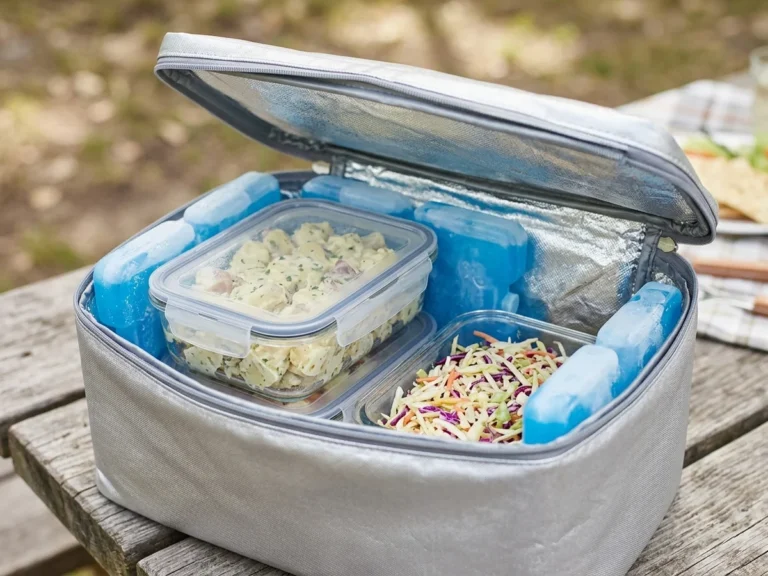
To keep meals safe during warm weather, prioritize maintaining cold temperatures for all perishable ingredients. Food safety standards dictate that perishable foods should never sit out in the “danger zone” between 40 degrees and 140 degrees Fahrenheit for more than two hours, or one hour if temperatures exceed 90 degrees.
When preparing ingredients before assembly, use insulated coolers with plenty of ice packs to ensure items stay below 40 degrees. According to FDA guidance, keep raw proteins, dairy, and pre-cut produce chilled in a refrigerator until the very moment you start plating. This practice prevents the rapid growth of bacteria that thrives in humid, hot conditions.
Avoiding common pitfalls with fresh vegetables requires careful handling to prevent cross-contamination. Always wash raw produce under running water before slicing, and keep these items separate from raw meat or seafood at all times. Using dedicated cutting boards for vegetables helps maintain high hygiene levels, especially when you are working with delicate seasonal produce that will not be cooked further.
- Keep condiments and dressings on ice until serving to preserve freshness.
- Transport meals in sealed containers to prevent exposure to environmental contaminants.
- Use chilled serving platters to help maintain the temperature of cold salads while dining outdoors.
For dishes like traditional Gazpacho, which relies on ripe tomatoes and salt, consider using a freeze-thaw step to improve texture if you have the time. This technique draws out excess moisture, leading to a more concentrated flavor in your final bowl. By following these basic principles, you ensure your seasonal meals remain as safe as they are refreshing.
Family-Friendly Summer Meals
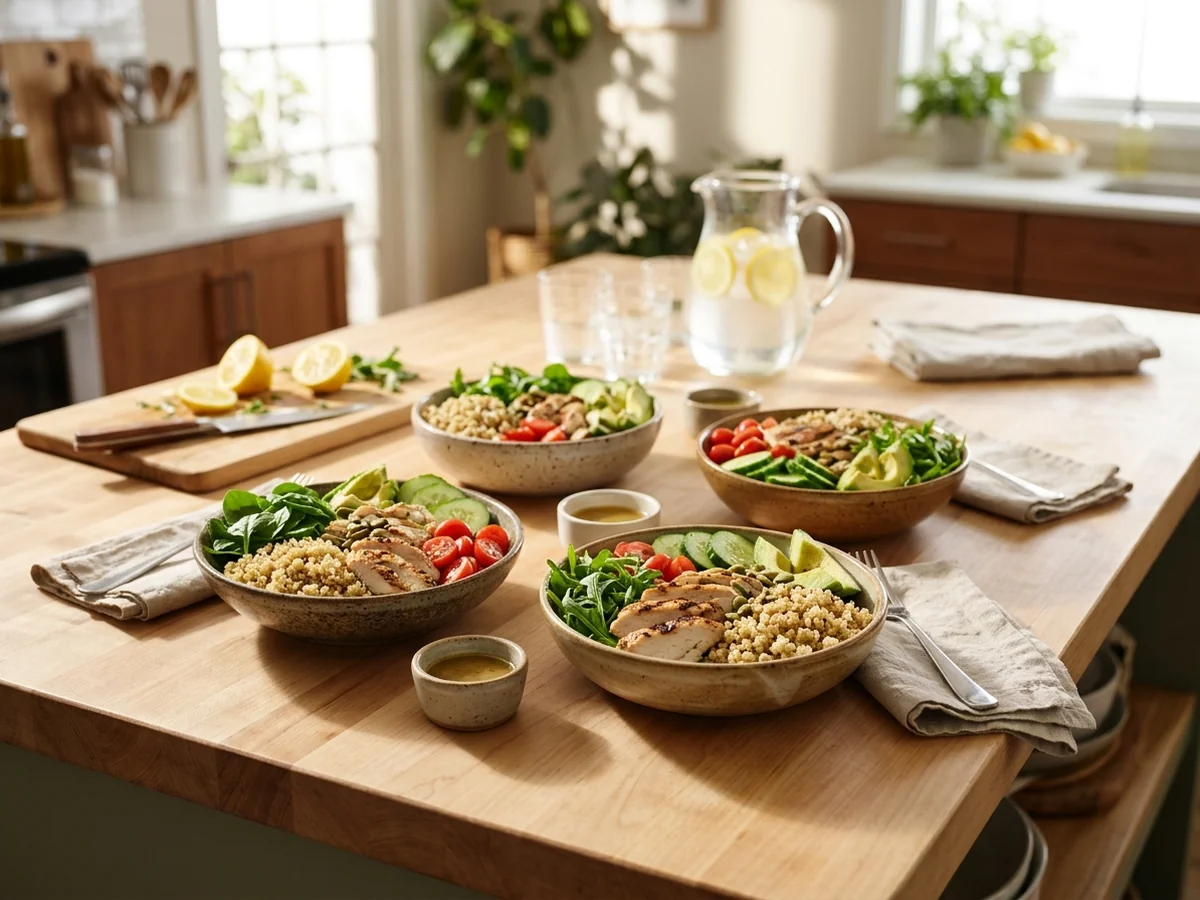
To streamline light summer dinners for the family, focus on batch-prepping versatile components like grilled proteins, washed greens, and grain bases during the cooler hours of the morning. Pre-cooking grains such as quinoa or farro allows you to assemble nutrient-dense bowls quickly, while marinating chicken or tofu in batches keeps flavor high throughout the work week. This preparation method significantly reduces active kitchen time during the hottest parts of the day.
When seasonal produce availability fluctuates, use flexible substitutions to maintain your meal flow. If specific stone fruits or heirloom tomatoes are missing, swap them for textures that mimic the original, such as using firm cucumber for crunch or roasted bell peppers for sweetness. These adjustments ensure you can still build easy summer meals for family without sacrificing quality.
Adhering to the Mediterranean diet remains simple by prioritizing healthy fats and lean proteins. This approach encourages using olive oil as a primary fat source, integrating plenty of legumes, and incorporating fresh herbs to elevate flavors without heavy sauces.
| Meal Component | Traditional Ingredients | Summer Prep Tip |
|---|---|---|
| Gazpacho | Tomatoes, Salt | Use a freeze-thaw step for better texture |
| Panzanella | Dried bread, Tomatoes | Use salted ripe tomatoes to draw out juices |
| Tortilla Española | Egg, Potato, Onion | Cooked in olive oil for classic flavor |
| Bibim Guksu | Noodles, Gochujang | Serve cold for a refreshing bite |
By maintaining these core principles, you keep your kitchen cool while providing balanced, wholesome food. Focus on quality seasonal staples, and you will find that even simple ingredient swaps lead to satisfying, nutritious results.
Easy Summer Dinner Tips
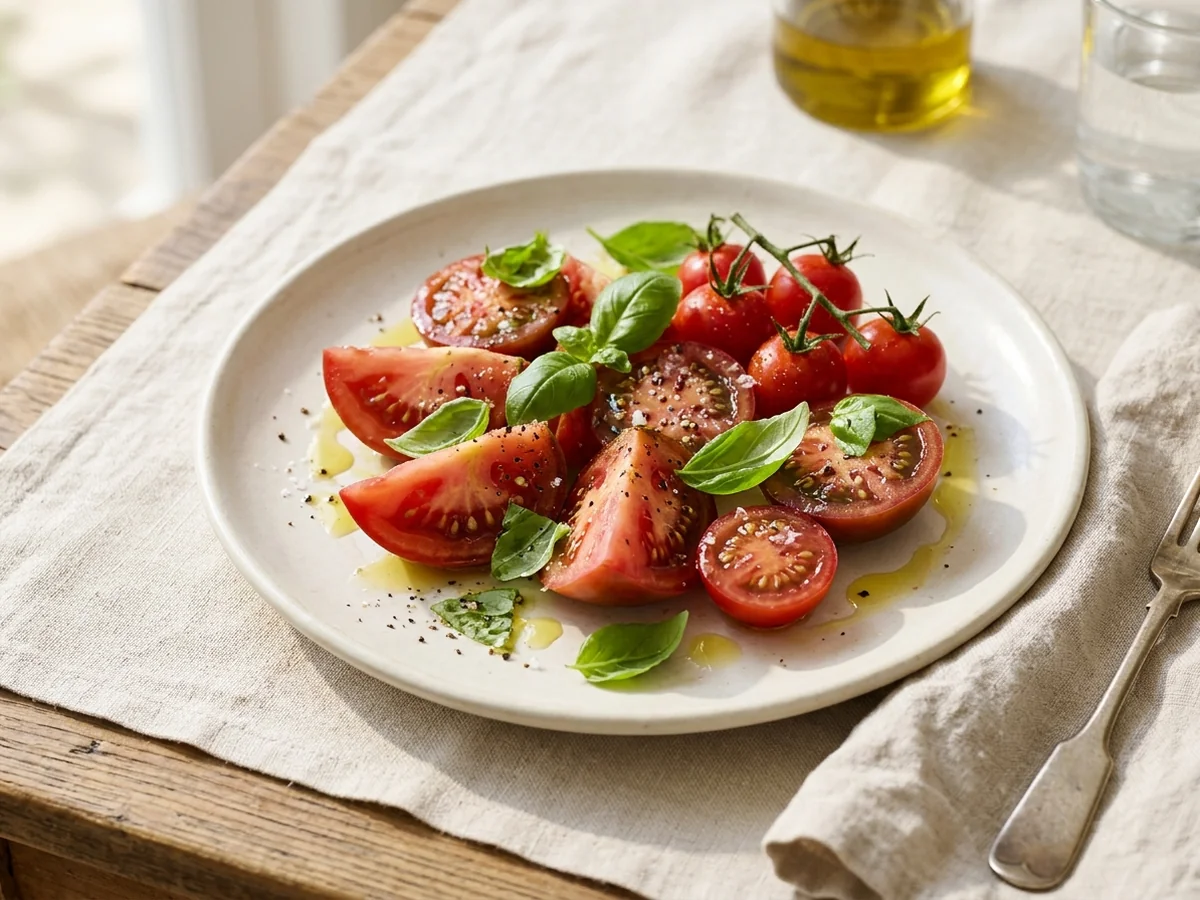
Mastering seasonal cooking requires embracing simplicity and being mindful of how heat affects your ingredients. Focus on letting high quality produce shine rather than overworking your recipes, as the best quick summer dinner ideas for hot nights rely on minimal intervention.
- Resist the urge to overcomplicate dishes by focusing on the natural, vibrant flavors of fresh produce found at your local farmers market.
- Respect ingredient texture by avoiding prolonged heat exposure, which can turn crisp vegetables into mushy additions that lack appeal.
- Use a generous hand with fresh culinary herbs, as these provide the brightness necessary to balance flavors when heavy sauces are off the table.
- Incorporate a freeze-thaw step when preparing chilled soups like traditional gazpacho, a technique verified by Oklahoma Gardening to ensure the ideal consistency for your base of ripe tomatoes and salt.
- Consider how temperature changes the eating experience, such as the way a classic panzanella salad relies on the contrast between softened, dressing-soaked bread and crisp, salted ripe tomatoes.
- Experiment with vegetarian summer recipes that use simple, high-impact components like egg, potato, and onion to build a satisfying, versatile foundation.
Proper seasoning is the secret to elevating simple meals during the warmer months. When you pull back on complex cooking methods, your palate becomes more sensitive to the interplay between salt, acid, and aromatic greens. Keep your preparations straightforward to ensure every plate remains refreshing and accessible for your next weeknight meal.
FAQ
What are some refreshing protein-packed meals for summer?
Light proteins such as swordfish, shrimp, and tuna are excellent choices for staying cool while meeting your nutritional needs. You might try a Sicilian-style Rigatoni Con Pesce Spada, which typically features swordfish paired with tomatoes and eggplant for a balanced meal.
How do I elevate a simple weeknight pasta dish?
You can brighten any pasta by incorporating fresh seasonal produce and high-quality culinary herbs. For a refreshing twist, try cold noodle dishes like Bibim Guksu, which commonly uses a gochujang-based sauce to provide a bold, spicy profile without needing a hot stove.
What are classic summer vegetable pairings?
Classic pairings often rely on the peak freshness of ingredients found at local farmers markets. For example, Tortilla Española is a common practice that combines egg, potato, and onion cooked in olive oil, providing a hearty yet simple dish that works well at room temperature.
What are the best ingredients for a summer bread salad?
A traditional Panzanella salad consists of dried bread and salted ripe tomatoes. Adding fresh basil, cucumber, or a splash of quality vinegar can further enhance the textures and flavors of this no-cook summer dinner staple.
How can I make the perfect traditional gazpacho?
Traditional Gazpacho relies on ripe tomatoes and salt to create its signature flavor profile. According to Oklahoma State University, you can use a freeze-thaw step during the preparation process to achieve the ideal texture for this classic chilled soup.
Are there unique ingredients to try for warm weather cooking?
If you want to experiment with regional specialties, consider using ackee, which is a red-skinned fruit commonly used in Jamaican national dishes. Incorporating diverse ingredients like this can keep your light summer dinners feeling exciting and fresh throughout the season.
Conclusion
Selecting your next meal begins with identifying the fresh, seasonal produce currently available at your local farmers market. Whether you choose to assemble a classic Panzanella salad using ripe tomatoes and crusty bread or prepare a traditional Gazpacho with its distinct, smooth texture, the focus should remain on minimizing kitchen heat. Prioritizing light proteins and chilled components ensures your evening remains relaxed rather than laborious. Browse your pantry for these light summer dinners to start planning a menu that celebrates the vibrant flavors of the season while keeping your kitchen cool.
Sources: extension.okstate.edu
You might also like: Sunday Dinner Ideas: 35 Best Recipes to Feed a Crowd