Easter Dinner Ideas: 40 Traditional & Festive Family Recipes
Introduction
Planning a memorable holiday meal is simple with these traditional easter dinner ideas that focus on fresh, seasonal ingredients and comforting flavors. Ham and lamb are traditional protein options for Easter dinner, providing a classic centerpiece for your celebration.
This collection covers a variety of recipes to help you build a complete menu, ranging from savory main courses to vibrant spring sides. You will find guidance on preparing essential dishes like deviled eggs, which are a standard appetizer for Easter celebrations, alongside seasonal vegetable options like asparagus, peas, and carrots. We also include convenient breakfast casseroles and bakes often featured in holiday planning, ensuring you have plenty of inspiration for your family gathering.
Creating a Memorable Holiday Gathering
Bringing loved ones together for a festive meal centers on the comfort of shared traditions and the warmth of a home-cooked feast. Focusing on reliable, classic dishes helps create an inviting atmosphere where the focus remains on connection rather than stress in the kitchen.
Planning a successful holiday menu often starts with choosing proteins that anchor the table. Ham and lamb are traditional protein options for this spring celebration, offering a timeless appeal that guests expect. You might choose to prepare a baked ham with a brown sugar glaze for a sweet and savory centerpiece, or opt for a roasted leg of lamb to provide a classic, savory alternative.
To round out the meal, incorporating seasonal produce adds color and freshness to the spread. Spring vegetables commonly served at this time include asparagus, peas, and carrots. These ingredients highlight the season and pair well with the richer main courses, ensuring the menu feels balanced and intentional.
Appetizers and brunch items also play a significant role in setting the tone for the day. Deviled eggs are a standard appetizer or side dish for these celebrations, providing a familiar bite that guests enjoy while mingling. Additionally, breakfast casseroles and bakes are often included in holiday menu planning, making it easy to accommodate different preferences throughout the day.
- Focus on a centerpiece protein like baked ham or roasted lamb.
- Incorporate seasonal greens like asparagus and fresh peas.
- Include reliable favorites such as deviled eggs to start the meal.
- Prepare breakfast-inspired bakes to simplify your hosting duties.
By relying on these staples, you can curate a menu that feels special without the need for complicated techniques. Keeping the kitchen focused on these approachable, comforting classics allows you to spend more time enjoying the company of your family as you celebrate the holiday together.
Traditional Main Course Options
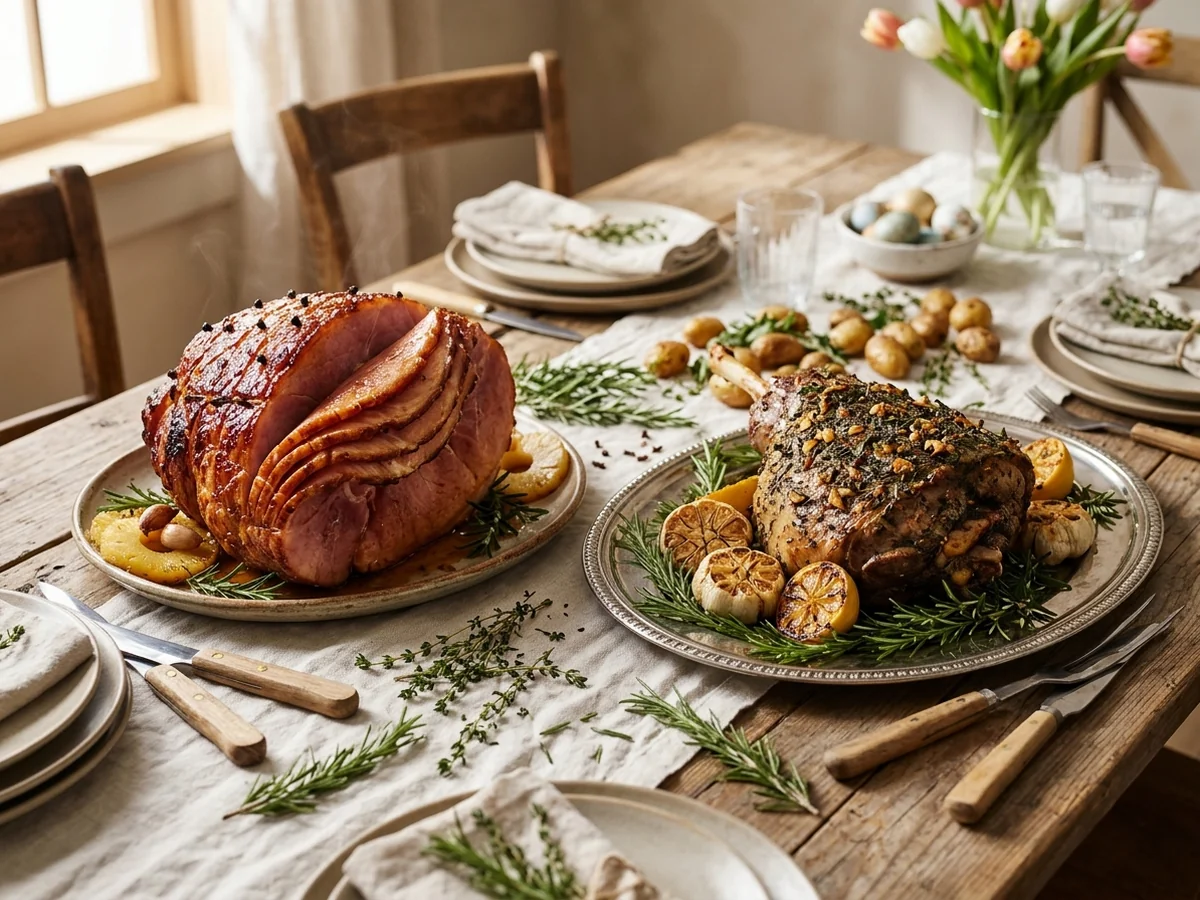
Ham and lamb are traditional protein options for Easter dinner. These centerpieces anchor a traditional Easter dinner menu, offering flavors that pair well with seasonal sides and fresh herbs. When building your holiday table, the protein choice often dictates the preparation style for the rest of your meal.
Selecting the Right Centerpiece
Baked ham is a classic selection for the holiday table and can be prepared with a brown sugar glaze to create a sweet and savory crust. This preparation method is highly regarded for its versatility and ease of carving, making it a reliable choice for larger gatherings. For hosts looking to streamline their holiday cooking, crockpot cooking is a viable method for preparing holiday ham, which helps save valuable oven space for side dishes.
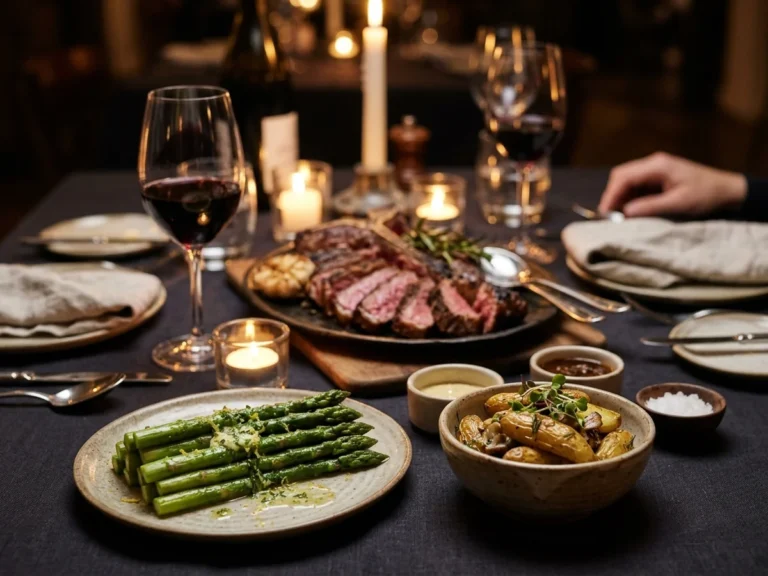
Roasted leg of lamb remains a hallmark of the holiday, often seasoned with garlic and rosemary for a festive presentation. This cut provides a lean and flavorful alternative to pork. For those who prefer beef, prime rib is commonly served as a hearty, beef-based main dish option. It is considered an elegant choice that feels special for a celebratory holiday gathering.
Balancing Your Menu
While the main course takes center stage, the success of your Easter dinner for family depends on how well these proteins integrate with your sides. Spring vegetables commonly served at Easter include asparagus, peas, and carrots. Serving your protein alongside roasted root vegetables like parsnips and carrots is a common practice that complements the natural richness of ham or lamb.
Planning for Versatility
When searching for simple Easter dinner ideas, consider that your menu does not have to be limited to a single style of meal. Breakfast casseroles and bakes are often included in Easter holiday menu planning, providing a comforting touch that can transition well from brunch to a later dinner. Additionally, deviled eggs are a standard appetizer or side dish for Easter celebrations, offering a classic flavor profile that bridges the gap between traditional starters and the main event.
To avoid common mistakes, focus on the timing of your protein. Large cuts like leg of lamb or prime rib require resting time before carving, so plan your oven schedule accordingly. Keeping these staples in mind helps you create a cohesive and enjoyable meal for your guests.
Essential Spring Side Dishes
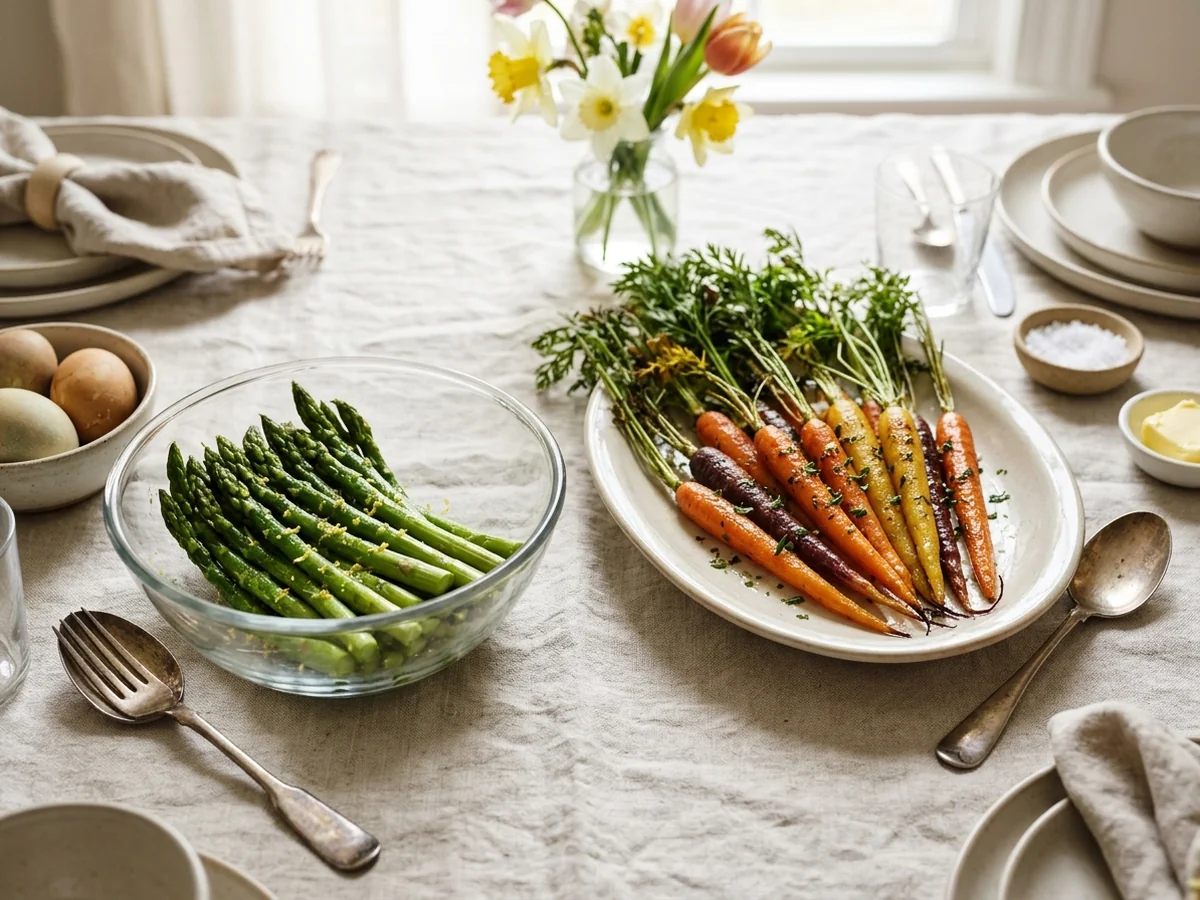
A traditional Easter dinner menu relies on balancing rich, savory proteins with the light, vibrant flavors of the season. Because ham and lamb are traditional protein options for Easter dinner, your side dishes should provide a bright contrast to these heavier main courses. When building your spread, focus on ingredients that are currently at their peak to ensure your meal feels fresh and celebratory.
Selecting Seasonal Produce
Spring vegetables commonly served at Easter include asparagus, peas, and carrots. These items are versatile and often require minimal preparation to achieve great results. For instance, roasting carrots and parsnips is a common practice that highlights their natural sweetness through light caramelization. Similarly, asparagus can be quickly roasted with lemon zest to create a clean finish. By keeping cooking methods simple, you reduce the time spent in the kitchen, allowing for more time with family.
Classic Holiday Staples
Beyond fresh vegetables, certain dishes have become synonymous with holiday gatherings. Deviled eggs are a standard appetizer or side dish for Easter celebrations that guests of all ages enjoy. You will also find that green bean casserole is a common side dish featured in many holiday meal collections across the country. These classics provide a sense of comfort and familiarity that complements a main dish like a baked ham prepared with a brown sugar glaze or even a beef-based prime rib, which is often served as a popular main dish option.
Planning Your Meal
When organizing your menu, consider how your sides will cook alongside your primary protein. Since breakfast casseroles and bakes are often included in Easter holiday menu planning, your oven may be occupied early in the day. To manage this, look for side dishes that can be prepared in advance or cooked using alternative methods. For example, crockpot cooking is a viable method for preparing holiday ham, which frees up your oven space for roasting vegetables or baking sides like gratins. This approach ensures your meal comes together smoothly without the stress of competing for kitchen equipment.
Easter Dinner Dessert Recipes
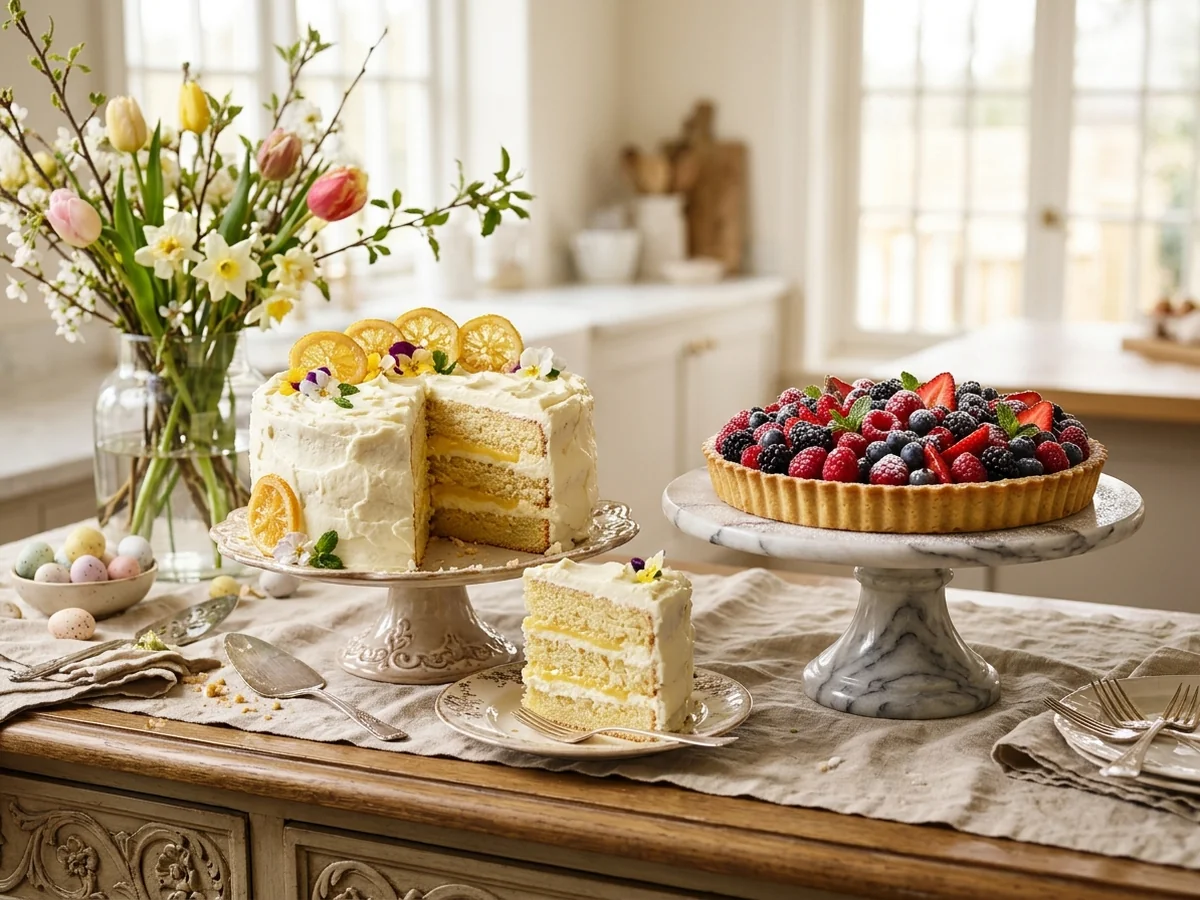
While savory dishes define the main course, completing your traditional Easter dinner menu requires thoughtful dessert planning. Incorporating sweet treats provides a celebratory conclusion to the meal and often serves as a focal point for family gatherings. Whether you prefer light, seasonal flavors or rich, comforting classics, selecting desserts that complement your main course is essential for a balanced holiday feast.
Balancing Flavors After the Main Course
When planning your menu, consider the weight of your proteins. Since ham and lamb are traditional protein options for Easter dinner, many hosts opt for desserts that offer a bright, acidic, or floral contrast. Citrus-based tarts, berry-forward cakes, or light mousses often perform better than heavy, chocolate-laden options after a meal featuring savory glazed ham or roasted leg of lamb. If you are serving a heavier main, aim for a dessert that feels refreshing to ensure your guests remain comfortable after the meal.
Practical Make-Ahead Strategies
Much like the breakfast casseroles and bakes often included in Easter holiday menu planning according to the USDA, dessert preparation benefits significantly from being done in advance. Many baked goods, such as fruit pies or chilled cheesecakes, actually improve in texture and flavor when allowed to set for several hours or overnight. This strategy is vital for hosts managing multiple dishes, as it removes the pressure of baking while the oven is occupied by your main roast or vegetable sides.
Common Considerations for Holiday Baking
To ensure your dessert service goes smoothly, keep these professional tips in mind:
- Temperature control is key for dairy-based desserts. Remove items like whipped cream toppings or custard-based tarts from the refrigerator only moments before serving.
- If you are baking multiple items, verify your oven capacity. It is common to prepare a secondary, non-baked dessert, such as a layered trifle or fruit salad, to save valuable oven space.
- Avoid experimenting with complex, untested recipes on the day of the event. Stick to reliable comfort food favorites that you have prepared previously to guarantee success for your family gathering.
By shifting your focus to desserts that can be prepared early, you ensure a relaxed environment, allowing you to focus on hosting your guests rather than managing the kitchen.
Appetizers and Small Bites
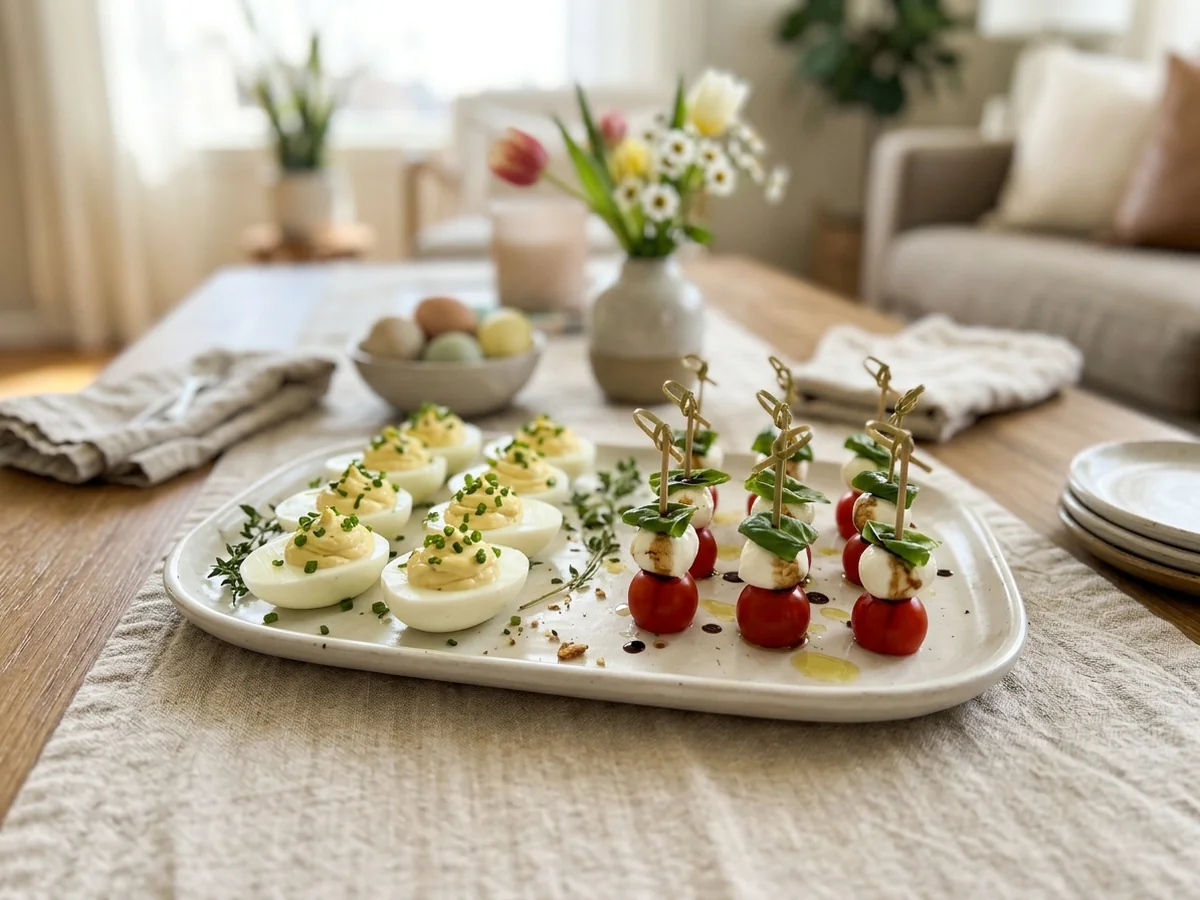
When you are planning what to serve for an Easter gathering, appetizers serve as the perfect transition between the day’s earlier activities and the main event. Keeping your initial offerings light is a practical way to ensure guests remain hungry for the primary courses. Because ham and lamb are traditional protein options for Easter dinner, you want your small bites to complement rather than overshadow these rich, savory dishes.
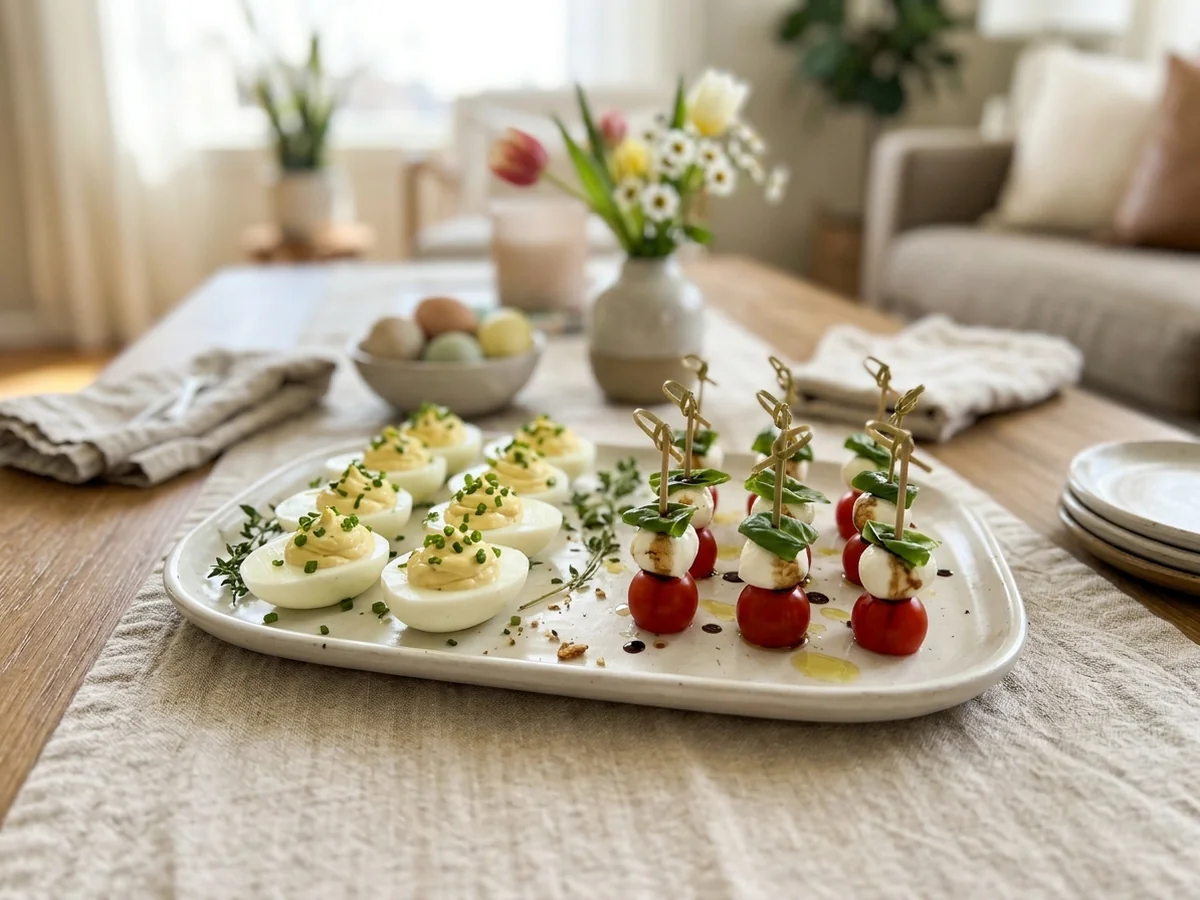
Deviled eggs are a standard appetizer or side dish for Easter celebrations. They provide a familiar, protein-rich bite that fits perfectly with the spring theme of the holiday. To elevate this classic, consider topping them with fresh herbs like dill or chives, or adding a hint of smoked paprika for color. Since these can be made a day in advance, they are an excellent choice for hosts looking to reduce kitchen stress on the day of the gathering.
Common mistakes often involve choosing appetizers that require too much last-minute oven time. Instead, focus on finger foods that can be assembled ahead of time, allowing you to spend more time with your family. Fresh seasonal vegetable crudités are a refreshing choice, particularly when served with a bright herb-based dip. You might also include small skewers featuring spring produce like snap peas or cherry tomatoes.
If you are looking for simple Easter dinner ideas, prioritize variety in textures. Pairing light, crisp crackers with seasonal spreads creates a pleasant contrast to the creamier nature of deviled eggs. By setting out a few thoughtfully prepared, grab-and-go items in the living room or around the kitchen island, you can manage guest expectations while you apply the finishing touches to your roast or ham. This strategy keeps the kitchen clear of traffic and allows the host to remain present and relaxed.
- Classic deviled eggs garnished with fresh herbs
- Crisp seasonal vegetable crudités with garden-fresh dips
- Light crackers paired with savory, seasonal spreads
- Simple skewers featuring fresh spring produce
Slow-Roasted Easter Ham Recipes
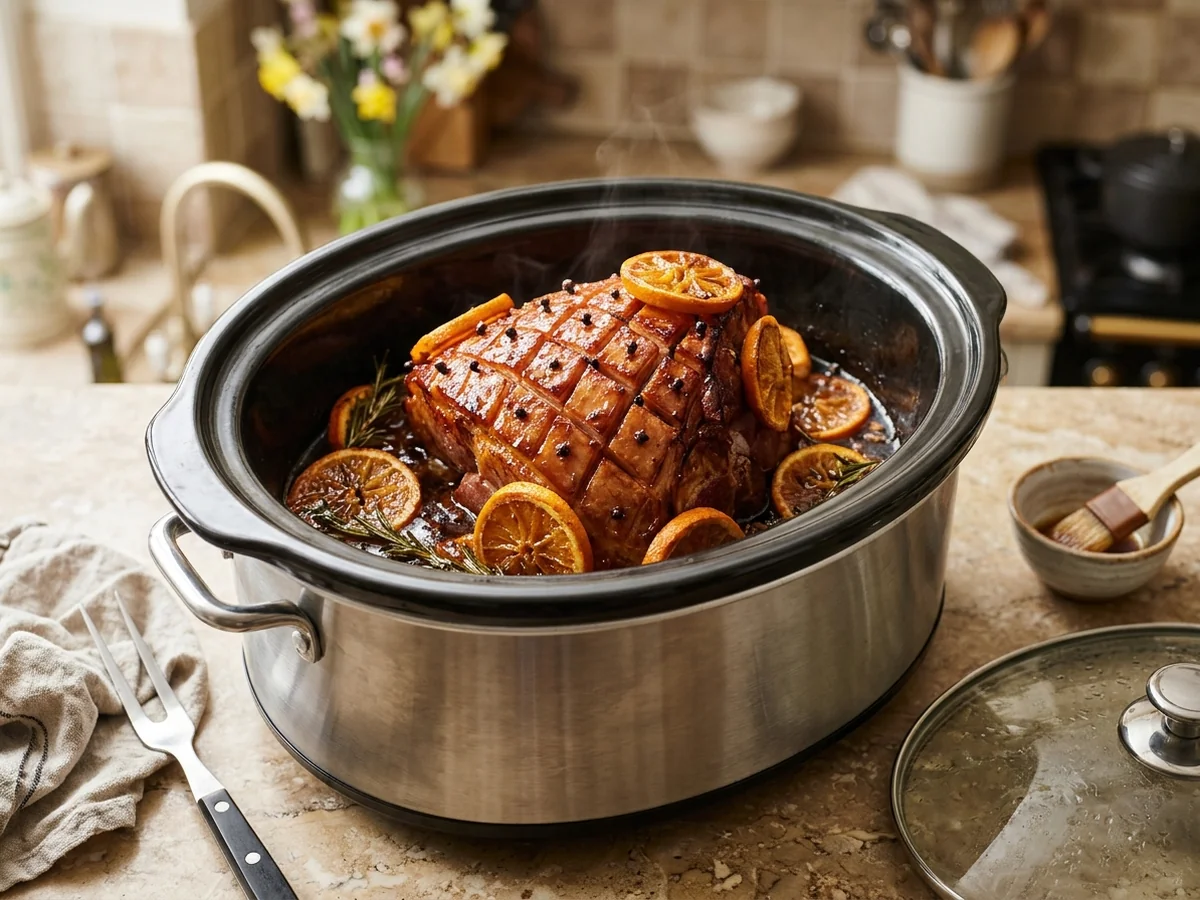
Crockpot cooking is a common and viable method for preparing holiday ham, as it frees up valuable oven space and keeps the meat moist throughout the cooking process. Using a slow cooker allows the protein to heat gently, resulting in a tender finish that works perfectly for a relaxed holiday gathering.
To streamline your kitchen workflow, focus on dishes that can be prepped in advance. Since ham and lamb are traditional protein options for Easter dinner, choose a slow cooker main dish to balance out more labor-intensive side dishes. By delegating the main protein to a countertop appliance, you reduce the need to constantly monitor the oven temperature.
Managing multiple dishes simultaneously becomes easier when you prioritize different cooking methods. While the ham slow-cooks, you can focus on stovetop preparation for spring vegetables like asparagus, peas, and carrots. Organizing your tasks by heat source prevents the kitchen from feeling overwhelmed and helps keep the cooking process stress-free.
Consider these simple strategies to keep your holiday kitchen organized:
- Set up a dedicated prep station for cold items like deviled eggs, which are a standard appetizer for these celebrations.
- Use the oven only for dishes that require roasting, such as casseroles or seasonal root vegetables.
- Prepare glazes or sauces in small batches on the stovetop while the protein is resting.
- Clear your counter space early to provide room for plating and assembling final dishes.
Baked ham can be prepared with a brown sugar glaze, which creates a classic flavor profile that families often enjoy. For those seeking easy Easter dinner recipes, the slow cooker method is a reliable choice that yields consistent results without requiring constant attention. This approach allows the cook to spend more time with family rather than being tethered to the stove, ensuring a comforting and enjoyable dining experience for everyone at the table.
Kid-Friendly Easter Dinner Ideas
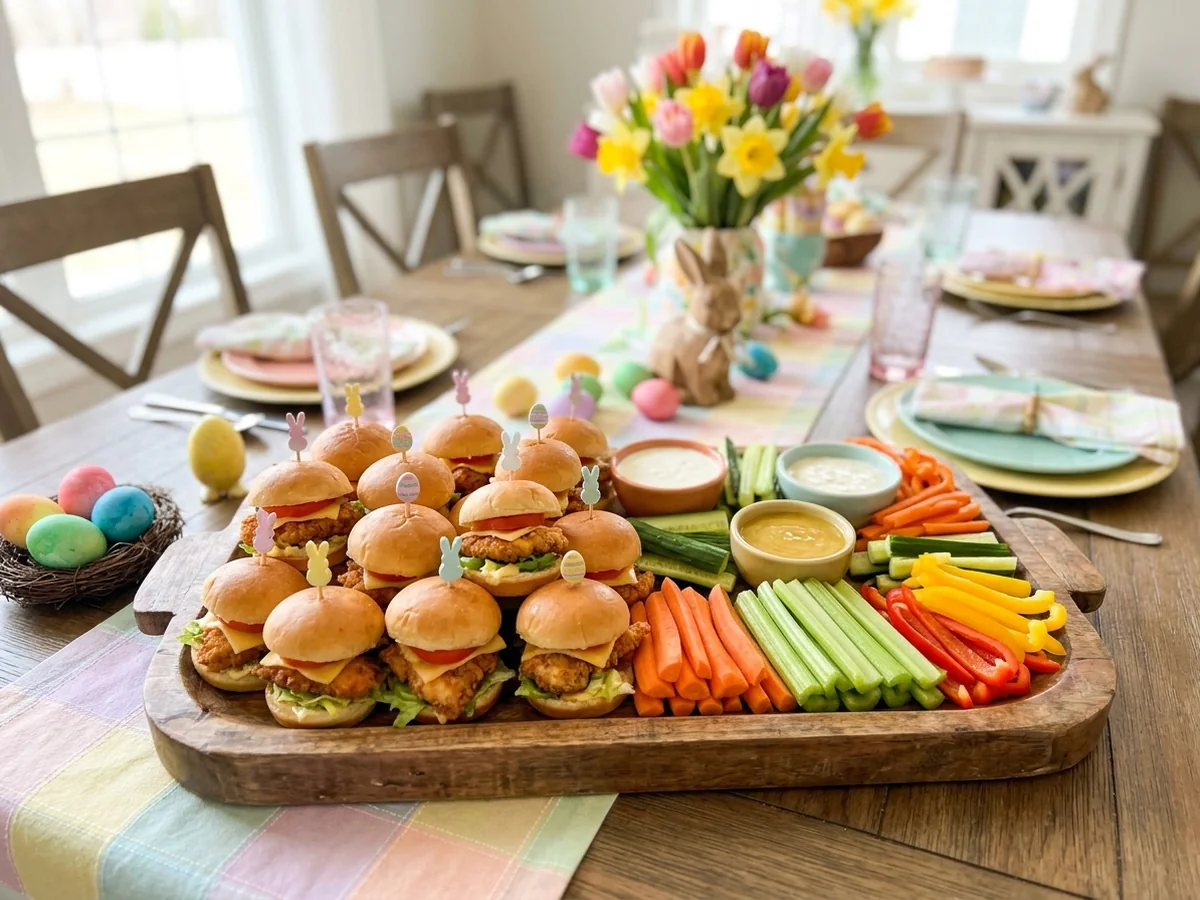
Creating a successful Easter dinner for family requires a balance between traditional flavors and dishes that appeal to younger palates. By focusing on approachable recipes, you can manage a large group without spending the entire holiday in the kitchen. The goal is to prioritize ease and flexibility, ensuring the meal remains a relaxing experience rather than a stressful production.
Selecting Kid-Friendly Proteins
Ham and lamb are traditional protein options for Easter dinner. A baked ham is a practical centerpiece for groups of any size, as it is widely accepted by both children and adults. You can prepare a baked ham with a brown sugar glaze to provide a sweet flavor profile that is often more appealing to children than savory-only preparations. For those managing a busy schedule, crockpot cooking is a common method for preparing holiday ham, allowing you to set the dish and focus on other tasks. If you prefer beef, prime rib is also a popular main dish option for this holiday.
Approachable Easter Side Dishes
Incorporating familiar, approachable sides helps bridge the gap between generations. Deviled eggs are a standard appetizer or side dish for Easter celebrations and are generally well-received by all ages. When selecting your accompaniments, look for seasonal produce that offers natural sweetness. Spring vegetables commonly served at Easter include asparagus, peas, and carrots. Roasted root vegetables like parsnips and carrots are also common seasonal options. Furthermore, green bean casserole is a frequent addition to holiday meal collections, providing a comforting, familiar texture that pairs well with traditional proteins.
Strategies for a Manageable Menu
Selecting recipes that can be prepared in advance is key to maintaining your sanity. If you choose dishes that only require a quick reheat or a final touch in the oven, you preserve your time to socialize with your guests. Breakfast casseroles and bakes are often included in Easter holiday menu planning to provide a comforting, hearty dish that children love. These items are particularly useful because they can often be assembled the night before.
When planning your meal, keep presentation simple to encourage children to try new foods. By focusing on quality ingredients that shine with minimal preparation, you allow the natural flavors of the season to take center stage, creating a cohesive spread that satisfies the whole family. Whether you are seeking easy Easter dinner recipes or trying to pull together a cohesive selection of food for the holiday, keeping the process simple is the best way to ensure shared enjoyment.
Make-Ahead Easter Dinner Tips
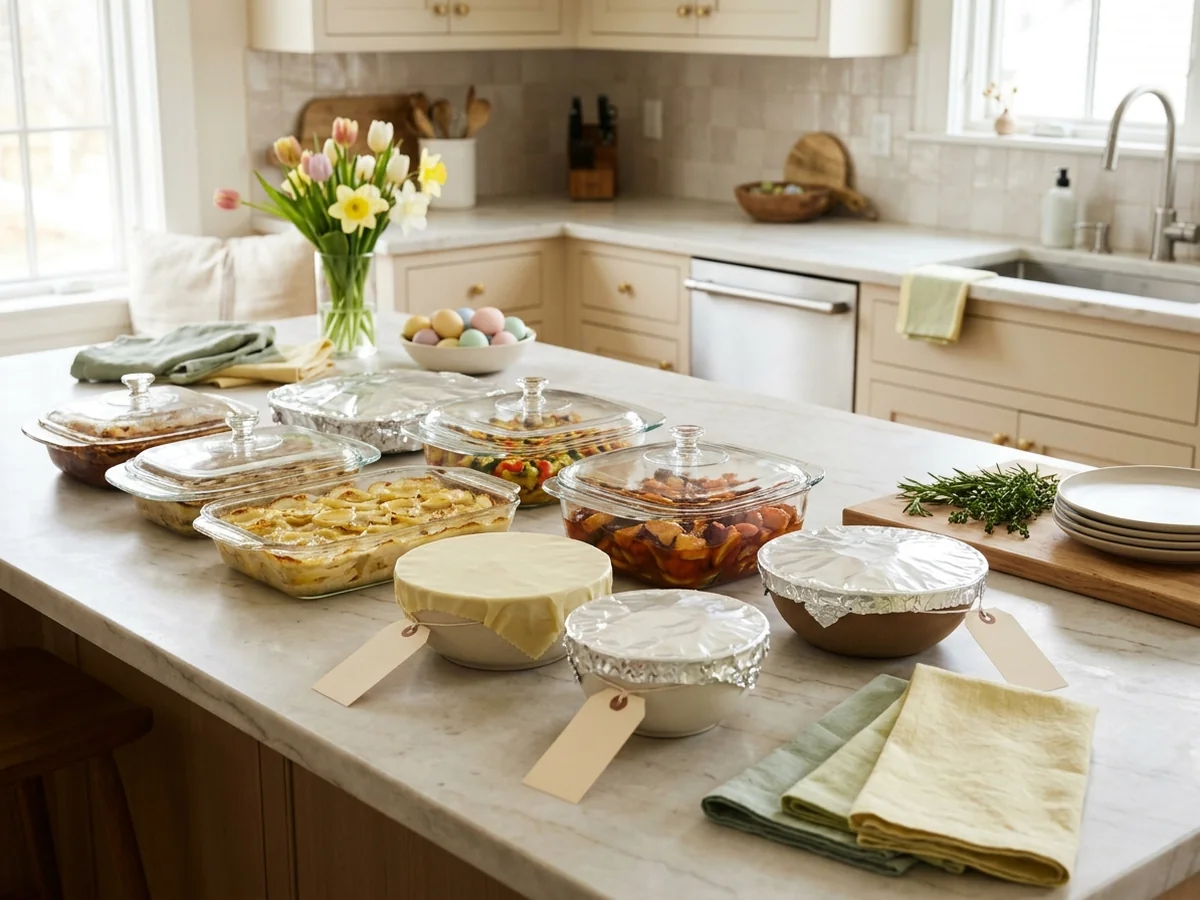
Simplify your holiday hosting by choosing familiar recipes instead of testing multiple new dishes on the same day. Sticking to reliable favorites ensures the cooking process stays manageable and reduces the risk of kitchen stress during a large gathering.
Focus on precise timing and temperature management when preparing substantial proteins. Since ham and lamb are traditional protein options for Easter dinner, consistent heat helps maintain moisture and ensures the center reaches a safe, proper temperature. If you serve a large roast, allow for adequate resting time before carving to keep the meat tender and flavorful.
Managing guest needs is easier when you plan your menu with diverse preferences in mind. You can create a welcoming atmosphere by confirming any specific dietary restrictions well before the holiday arrives. Offering a variety of dishes, such as seasonal vegetables like asparagus, peas, and carrots, provides options that accommodate many different eating styles.
Consider these practical steps to streamline your holiday preparation:
- Prepare deviled eggs, which are a standard appetizer for Easter celebrations, a day in advance to save time.
- Utilize breakfast casseroles and bakes, as these dishes are often included in holiday menu planning and can be assembled the night before.
- Apply a brown sugar glaze to your baked ham ahead of time so it is ready for the oven when your guests arrive.
- Incorporate common side dishes like green bean casserole that hold their texture well when reheated.
- Include roasted root vegetables, as parsnips and carrots are seasonal side dish options that can be prepped early in the day.
- Explore slow cooking methods, as crockpot cooking is a viable way to prepare a holiday ham while freeing up oven space.
Planning ahead allows you to spend more time enjoying the gathering rather than working exclusively in the kitchen. By balancing your menu with a mix of prep-friendly sides and classic main dishes, you create a cohesive and relaxed holiday experience for everyone involved.
FAQ
What are traditional Easter dinner main dishes?
Ham and lamb are the most recognized traditional protein options for an Easter dinner menu. While these classics remain the standard for many families, serving prime rib is another common way to incorporate a beef-based main dish into your holiday celebration. When planning your Easter dinner for family, consider the size of your gathering and your available oven space. If you are struggling with limited capacity, using a slow cooker for your ham is a widely accepted and effective method that frees up the oven for side dishes.
What are some side dishes for Easter?
Fresh spring vegetables are the hallmark of classic Easter side dishes. According to the USDA, asparagus, peas, and carrots are traditional choices that highlight the season. Beyond these, it is common to serve roasted root vegetables like parsnips or comforting favorites such as green bean casserole. If you are looking for simple Easter dinner ideas, focus on seasonal produce that requires minimal seasoning, such as roasting carrots with herbs or steaming fresh peas.
What are some egg-based Easter dishes?
Deviled eggs are a standard appetizer or side dish for Easter celebrations, and they offer a practical way to use eggs during the holiday. Beyond appetizers, many hosts include breakfast casseroles and bakes in their menu planning. Incorporating these egg-heavy dishes is a useful strategy to round out the meal, especially if you are hosting an early gathering or want to bridge the gap between Easter brunch and a formal dinner.
How can I simplify my Easter dinner preparation?
Simplifying your holiday prep often comes down to choosing recipes that offer high impact with low effort. For example, a baked ham prepared with a brown sugar glaze creates a classic, professional-looking centerpiece with very little active prep time. To avoid common mistakes like overcooking your protein or running out of oven space, plan your menu around a mix of oven-baked dishes and slow-cooked items. Preparing components in advance, such as assembling casseroles the night before, can significantly reduce stress on the day of the event.
Conclusion
The best way to finalize your plans is to select one protein and balance it with two or three seasonal vegetable sides. By choosing your favorite easter dinner ideas now, you can create a shopping list that ensures a stress-free holiday in the kitchen. Focus on prep-ahead dishes to save time on the big day, allowing you more moments to enjoy with your family.
Sources: cloudpbx.cazenovia.edu, snaped.fns.usda.gov, training.jacksonms.gov, usda.gov
You might also like: Sunday Dinner Ideas: 35 Best Recipes to Feed a Crowd