Dairy-Free Recipes: 30 Creamy & Delicious Comfort Meals
Introduction
You can prepare satisfying, rich meals using these dairy-free recipes that rely on plant-based alternatives to replicate traditional textures. These dairy-free recipes provide practical solutions for home cooks who need to avoid milk products due to lactose intolerance or other dietary requirements.
This article covers a variety of comfort food adaptations, focusing on how to achieve creamy results without using conventional dairy. You will find guidance on using cauliflower purée to thicken dishes, incorporating nutritional yeast for a savory cheese flavor, and utilizing common substitutes like blended nuts or vegetables. Whether you are looking for main courses, soups, or creative ingredient swaps, this collection offers reliable methods to keep your kitchen well-stocked. We also clarify the important distinctions between lactose-free and dairy-free cooking to help you manage your meals with confidence and ease.
Understanding Dairy Needs and Dietary Choices
Adopting a dairy-free lifestyle often begins with distinguishing between personal health goals and medical necessity. Understanding the physiological differences between various dairy sensitivities is essential for effective, safe, and nutritional meal planning.
Distinguishing Lactose Intolerance from Milk Allergies
Lactose intolerance is a common reason for following a diet that excludes dairy. It occurs when the body lacks enough lactase, the enzyme required to digest the sugar found in milk. Because this is a digestive issue rather than an immune response, symptoms are generally localized to the gastrointestinal tract. Conversely, milk protein allergies involve an immune response to specific proteins, most commonly casein and whey. Because these proteins differ from lactose, products labeled as lactose-free may still contain casein or whey, making them unsafe for those with a true milk allergy. The National Institute of Diabetes and Digestive and Kidney Diseases provides detailed guidance on managing symptoms and navigating complex food labels.
Culinary Substitutions and Techniques
Moving toward dairy-free recipes does not require sacrificing flavor or texture. Many home cooks utilize creative whole-food swaps to replicate the qualities of traditional dairy products. Nutritional yeast is a common substitute for cheese flavor in dairy-free recipes, offering a savory profile that works well in various dishes. For those seeking depth and richness, cauliflower purée can replace dairy to create a creamy texture in creamed spinach, while other common practices include blending roasted cauliflower, cashews, and chipotle chiles to achieve a creamy base for soups.
When adapting classic dishes, look for naturally dairy-free alternatives. Rhode Island clam chowder, for example, is traditionally clear and broth-based rather than cream-based, offering a naturally dairy-free comfort food option. For those experimenting with plant-based textures, mashed roasted sweet potatoes can serve as a dairy-free filling for quesadillas, and a combination of dried olive and miso is often used as a substitute for parmesan cheese. By focusing on these versatile ingredients, you can build a repertoire of easy dairy-free dinner ideas that remain both satisfying and nutritionally balanced. Whether you are managing a medical requirement or exploring new ingredients, understanding these substitutions allows for more flexibility in your kitchen.
Quick Dairy-Free Breakfast Recipes

You can start your morning with satisfying meals by using plant-based ingredients that mimic traditional textures. Quick options often rely on staples like almond, oat, or coconut milk to provide the familiar creaminess expected in breakfast bowls and smoothies.
It is helpful to understand why you might be choosing these options, as lactose intolerance and milk protein allergies are different conditions. Lactose intolerance is a common reason for following a diet without dairy, involving the inability to digest the sugar found in milk. Conversely, a milk protein allergy is an immune system reaction to the proteins present in animal milk.
Casein and whey are specific milk proteins that differ from lactose. While someone with lactose intolerance may be able to consume products treated with lactase enzymes, those with a milk protein allergy must avoid any items containing these specific proteins entirely. Careful label reading is a vital part of effective lactose-free meal planning for those navigating these sensitivities.
Beyond health-based needs, many people are shifting toward plant-forward cooking as a sustainable alternative to traditional habits. This approach prioritizes ingredients derived from plants, which often carry a lower environmental footprint than animal-based products. By focusing on whole, plant-based foods, you can create hearty meals that support both personal wellness and broader sustainability goals.
- Overnight oats made with oat milk and chia seeds.
- Smoothies blended with almond milk, fresh fruit, and flaxseed.
- Scrambled tofu seasoned with nutritional yeast, which is a common substitute for cheese flavor in these dishes.
- Avocado toast topped with sunflower seeds or hemp hearts for added texture.
These breakfast ideas demonstrate how simple swaps maintain the quality of a meal without relying on animal products. Whether you are managing specific health requirements or simply exploring new ways to eat, these substitutions provide consistent results for your daily routine.
Essential Ingredient Substitutions

Achieving rich, satisfying flavors and textures without traditional milk products relies on specific culinary techniques and plant-based swaps. You can effectively replicate the profile of conventional ingredients by selecting alternatives that mimic their functional roles in cooking and baking.
Many home cooks rely on these proven methods when preparing dairy-free recipes to ensure their favorite comfort meals remain indulgent and flavorful:
- Nutritional yeast is a recognized substitute for cheese flavor in many savory dishes.
- Cauliflower purée acts as a versatile replacement for dairy to create a creamy texture in dishes like creamed spinach.
- Common plant-based milks such as almond, coconut, and oat milk serve as direct liquid replacements in a wide variety of cooking applications.
- Blended roasted cauliflower, cashews, and chipotle chiles are often used together as a common practice to achieve a creamy base for soups.
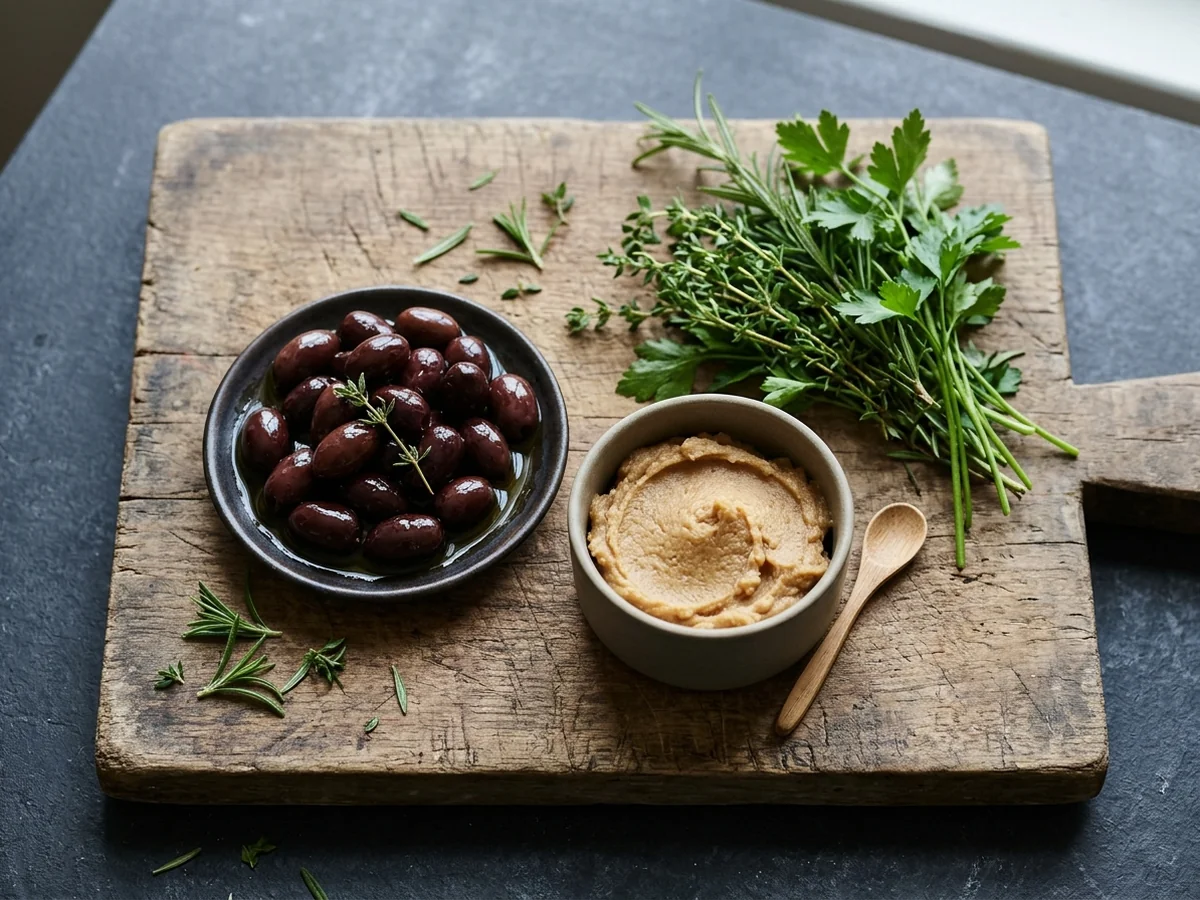
- Culinary professionals often use combinations of dried olive and miso as a savory substitute for parmesan cheese.
- Mashed roasted sweet potatoes are a typical plant-based filling option when preparing dairy-free quesadillas.
When selecting liquid alternatives, consider how the base ingredient influences the final dish. Coconut milk provides a naturally high fat content and distinct flavor, making it ideal for curries or thick sauces. In contrast, almond and oat milks offer more neutral profiles, which work well in both savory applications and dairy-free baking alternatives. If you are looking to build plant-based creamy sauces, focusing on high-fat ingredients like blended nuts or cooked vegetables often yields the best results.
Understanding these substitutions simplifies the process of adapting traditional comfort foods. By focusing on the specific qualities that dairy provides, such as fat, texture, and umami, you can maintain the integrity of your meals. Whether you are managing lactose intolerance or simply exploring new cooking styles, these ingredients offer reliable ways to keep your kitchen stocked with versatile, flavor-forward options.
Adapting Comfort Food Favorites

Adjusting to dairy-free recipes often begins with understanding why you are making the change. Lactose intolerance is a common reason for following a dairy-free diet, but many people also manage sensitivities to casein and whey, which are specific milk proteins that differ from lactose. Successfully adapting comfort food requires focusing on building flavor and texture through whole ingredients rather than relying solely on processed substitutes.
Mastering Creamy Textures Without Dairy
To replicate the mouthfeel of traditional milk and cream in your dairy-free comfort food recipes, look toward vegetables and nuts. It is common guidance to blend roasted cauliflower, cashews, and chipotle chiles to create a creamy soup base. The cauliflower provides density, while the cashews offer healthy fats that produce a smooth finish. Additionally, cauliflower purée can replace dairy to create a creamy texture in creamed spinach, offering a vegetable-forward way to achieve a rich, velvety consistency.
Regional and Flavor-Based Substitutions
Some classic dishes are naturally adaptable because they do not rely on dairy in their traditional forms. Rhode Island clam chowder is traditionally clear, not cream-based. By leaning into this regional variation, you can enjoy a hearty, saline-rich bowl that avoids dairy entirely. When a recipe specifically calls for the savory notes of cheese, nutritional yeast is a common substitute for cheese flavor in many preparations. For those seeking a salty, umami-rich garnish similar to parmesan, common culinary practice involves using a mixture of dried olive and miso.
Practical Main Course Swaps
When preparing main dishes, consider how texture holds a meal together. It is common guidance to use mashed roasted sweet potatoes as a filling for quesadillas. When seasoned with spices like cumin or chili powder, the sweet potatoes provide a satisfying, dense texture that mimics the binding properties of melted cheese. This approach allows you to build easy dairy-free dinner ideas using whole foods that are naturally available in most pantries.
One common mistake is attempting to force a dairy-based recipe to function without a fat or thickener source. If you remove the dairy, you must replace the fat or the body. Whether you are using nut-based creams, blended vegetables, or savory seasonings like miso and nutritional yeast, the goal is to maintain the satisfying quality of your favorite meals. By understanding these technical foundations, you can expand your repertoire and enjoy dairy-free meals that feel indulgent and complete.
Flavor Balancing Without Cheese

Transitioning to dairy-free recipes often begins with finding ways to replicate the savory, indulgent qualities of cheese. Many home cooks navigate this shift due to lactose intolerance or milk protein sensitivities involving casein and whey. Because dairy contributes both salt and a specific mouthfeel, replacing it successfully requires a two-pronged approach: building deep umami foundations and managing texture through plant-based fats.
Building Umami Without Dairy
To capture the punchy, aged quality of parmesan, common culinary practices suggest blending dried olives with miso. This combination provides a fermented, salty base that adds complexity to pasta dishes or roasted vegetables. Nutritional yeast is also a widely recognized substitute for cheese flavor, providing a nutty, savory profile that functions well as a topping or a thickening agent in sauces. By layering these ingredients, you can develop a robust foundation that satisfies the palate without relying on traditional dairy products.
Mastering Texture and Mouthfeel
Dairy naturally provides a coating, fatty mouthfeel that is often difficult to mimic. When preparing dairy-free comfort food recipes, focus on incorporating plant-based fats to achieve similar results. Cauliflower purée is a verified, effective substitute for dairy in dishes like creamed spinach, providing a smooth, creamy texture without the need for cream or butter. Similarly, it is common practice to blend roasted cauliflower with cashews and chipotle chiles to create a rich base for soups.
For those looking to expand their dairy-free cooking repertoire, consider these techniques:
- Use mashed roasted sweet potatoes as a thick, savory filling for comfort meals like quesadillas.
- Experiment with clear-based soups, such as traditional Rhode Island clam chowder, which relies on broth rather than cream.
- Balance the richness of nut or vegetable-based purees with a touch of acidity, such as lemon juice or vinegar, to brighten the overall flavor profile.
Common Considerations for Dairy-Free Cooking
When adjusting your recipes, avoid the mistake of simply removing dairy without replacing the fat content, which can lead to thin or unsatisfying meals. If a dish feels too dense or heavy, rely on acidic elements to cut through the richness of plant-based fats. Understanding that lactose-free meal planning is distinct from strict dairy-free protocols can help you choose the right ingredients for your specific needs. By thoughtfully combining salty, fatty, and acidic components, you can create a complex flavor profile that turns everyday ingredients into satisfying meals, ensuring that your cooking remains indulgent and flavorful.
Easy Dairy-Free Dinner Ideas

You can create satisfying meals by focusing on whole-food staples and learning to identify hidden additives. Simple swaps often yield the best results for those avoiding milk products, whether due to lactose intolerance or other dietary needs.
To streamline your kitchen routine, consider these strategies for preparing meals efficiently:
- Stock your pantry with versatile whole foods like dried beans, grains, nuts, and seeds to ensure you always have the building blocks for a quick meal.
- Dedicate time each weekend to batch-cook large portions of hearty grains or roasted vegetables that can be repurposed into various bowls and stir-fries throughout the week.
- Always examine ingredient labels thoroughly, as food manufacturers often include milk-derived substances like casein or whey in products that seem plant-based.
- Use nutritional yeast as a reliable way to add a savory, cheese-like flavor to your cooking without relying on processed substitutes.
- Incorporate cauliflower purée into your cooking to replicate the silky consistency of creamed spinach or other rich vegetable sides.
- Look for naturally dairy-free dishes like Rhode Island clam chowder, which uses a clear broth rather than cream, for a traditional comfort meal.
Maintaining a well-organized grocery list is essential for successful meal planning. Instead of browsing aimlessly, organize your list by store section to prioritize produce, legumes, and pantry staples. When shopping, be particularly vigilant with processed items. Even if a product appears safe, manufacturers frequently add milk proteins that are distinct from lactose, such as casein and whey. Checking for these derivatives ensures your kitchen remains truly free of unwanted ingredients.
Batch-cooking techniques also play a significant role in managing a busy schedule. By prepping components like roasted cauliflower or cashew bases in advance, you can quickly assemble them into soups or sauces when time is short. Common culinary practice suggests that blending roasted cauliflower, cashews, and chiles creates a creamy texture perfect for soups, while mashed roasted sweet potatoes can serve as a simple filling for quesadillas. These small, deliberate efforts make it easier to maintain a consistent diet without resorting to expensive or highly processed convenience foods.
Dairy-Free Dessert Recipes

Creating satisfying desserts requires careful attention to texture and nutritional balance when removing milk products. Achieving the right consistency often involves matching the fat content of the original ingredient with suitable alternatives. For example, cauliflower purée can replace dairy to create a creamy texture in creamed spinach, illustrating how whole vegetables can replicate rich mouthfeels in various dishes.
Relying solely on processed substitutes can often lead to a less nutritious final product. While store-bought vegan alternatives are convenient, using whole foods like blended cashews or coconut milk often provides a more complex flavor profile. It is common guidance to blend roasted cauliflower, cashews, and chipotle chiles to create a creamy texture for soups, which is a technique that can be adapted for savory applications within dairy-free recipes.
Maintaining a balanced intake of protein is a frequent challenge when shifting away from traditional dairy. Because casein and whey are specific milk proteins that differ from lactose, those eliminating dairy must look toward alternative sources to ensure their meals remain satiating. Utilizing nutritional yeast is a known and effective way to add a savory, cheese-like flavor to dishes, often providing a subtle nutritional boost that processed fats lack.
When building your menu, prioritize whole ingredients over heavily refined products. Typical practice includes using mashed roasted sweet potatoes as a filling for quesadillas or employing a mixture of dried olive and miso as a savory topping in place of parmesan cheese. These methods allow you to maintain the comfort and depth of traditional meals without relying on artificial additives.
- Use cauliflower purée to achieve a creamy base in vegetable-forward dishes.
- Incorporate nutritional yeast to replicate the classic flavor profile of cheese.
- Focus on whole food fats like nuts and seeds to replace the mouthfeel of heavy cream.
- Balance your meal by pairing plant-based fats with protein-rich legumes or grains.
- Remember that some traditional dishes, such as Rhode Island clam chowder, are naturally clear and do not require dairy-based thickeners to be authentic and delicious.
Dairy-Free Lunch Recipes

Creating satisfying lunch meals without dairy relies on understanding how to replicate textures and flavors using plant-based ingredients. You can achieve a creamy consistency in creamed spinach by using cauliflower purée, a technique that effectively replaces traditional heavy cream. For soups, common culinary guidance suggests blending roasted cauliflower, cashews, and chipotle chiles to create a rich, satisfying base. Nutritional yeast is a verified, effective substitute for adding a savory, cheese-like flavor to your favorite dairy-free recipes.
Adapting Comfort Classics
Adapting traditional comfort foods allows you to maintain familiar flavors while adhering to a dairy-free diet. Rhode Island clam chowder is a naturally cream-free option, as it is traditionally prepared with a clear broth rather than a dairy base. Other common practices for lunch include using mashed roasted sweet potatoes as a hearty, dairy-free filling for quesadillas. If you are looking for a savory topping for pasta or salads, many home cooks use a combination of dried olive and miso as an alternative to parmesan cheese.
Understanding Dietary Requirements
When you explore dairy-free recipes, it is helpful to distinguish between lactose intolerance and milk protein allergies. It is a common practice to follow a dairy-free diet due to lactose intolerance, and you can find detailed information on managing this condition through the National Institute of Diabetes and Digestive and Kidney Diseases. However, lactose intolerance is not the same as a milk protein allergy. Casein and whey are specific milk proteins that differ from lactose, and these can trigger significant systemic reactions. Recognizing the signs of a severe allergy, such as hives, swelling, or difficulty breathing, is critical for your safety.
Managing Digestive Health
If you experience persistent digestive issues like abdominal pain or bloating, it is important not to rely solely on self-directed diet changes. While adjusting your meals can provide relief, symptoms may indicate an underlying gastrointestinal condition that requires medical oversight. Consult a registered dietitian or a qualified healthcare provider to determine whether your discomfort stems from a food sensitivity, an allergy, or another health concern. Professional guidance ensures that your nutritional needs are met while you navigate your dietary adjustments. By focusing on whole-food substitutions, you can create delicious lunches that fit your health goals and personal preferences without compromising on quality or flavor.
FAQ
What are some simple evening meals without milk products?
You can create satisfying meals by swapping traditional cream with vegetable-based purees or plant milks. For instance, cauliflower puree is a reliable way to replace dairy in creamed spinach, while blending roasted cauliflower, cashews, and chipotle chiles is common practice for creating a creamy texture in soups.
What is a good substitute for cheese in dairy-free recipes?
Nutritional yeast is a widely used and effective substitute for cheese flavor in many dishes. Culinary enthusiasts also commonly use a mixture of dried olive and miso to replicate the salty, umami profile of parmesan cheese.
What is the difference between lactose-free and dairy-free?
Lactose-free products remove the sugar found in milk, whereas dairy-free items contain no milk products at all. It is helpful to remember that casein and whey are specific milk proteins that differ from lactose, so those with protein allergies must avoid all dairy regardless of lactose content.
How can I make comfort food without dairy?
Many classic comfort dishes rely on alternative ingredients to maintain their rich texture. While Rhode Island clam chowder is traditionally clear and naturally dairy-free, other recipes may use mashed roasted sweet potatoes as a filling for quesadillas to provide a hearty, creamy mouthfeel.
Why do people follow a dairy-free diet?
Lactose intolerance is a common reason for individuals to seek out dairy-free recipes to avoid digestive discomfort. Beyond medical needs, others choose this dietary path for personal health preferences or to explore plant-forward cooking techniques.
Conclusion
The best way to begin your transition is to start swapping ingredients in dishes you already know and love. By experimenting with staples like nutritional yeast or vegetable purées, you can master these dairy-free recipes while keeping the flavors you enjoy. Choose one simple meal to recreate this week and build your confidence from there.
Sources: escoffier.edu, assets.bouldercounty.gov
You might also like: Ultimate Fall Recipes Collection: Cozy & Comforting Dinners