Gluten-Free Dinner Ideas: 35 Easy & Flavorful Family Meals
Introduction
Finding reliable gluten-free dinner ideas is essential for creating safe and satisfying meals for your household. These gluten-free dinner ideas focus on naturally gluten-free ingredients and simple swaps to help you prepare healthy, flavorful food without stress.
This article provides a curated list of 35 meal options designed for busy families, ranging from quick weeknight staples to comforting classics. You will find detailed guidance on preparing everything from hearty stews and sheet-pan roasts to vegetarian curries. We also include practical tips for navigating common hidden gluten sources in your pantry and advice on preventing cross-contamination in your kitchen. Whether you are looking for a rapid 30-minute dish or a more substantial meal, these suggestions help you build a diverse menu that everyone at the table can enjoy. By focusing on whole foods and smart ingredient choices, you can confidently manage a gluten-free lifestyle while keeping your dinner routine exciting.
Planning Safe and Satisfying Meals for Your Household
Creating meals for a family managing celiac disease or non-celiac gluten sensitivity requires focusing on naturally wheat-free ingredients while ensuring every component is strictly free of hidden gluten. These wholesome meals center on whole foods like vegetables, proteins, and grains that are safe for everyone at the table to enjoy together.
When selecting your evening menu, prioritize naturally compliant ingredients to simplify the process. For instance, coconut curry chickpeas with pumpkin and lime serves as a satisfying vegetarian option. You might also consider preparing matar tofu, which acts as a reliable gluten-free variation of traditional matar paneer. Garlic-butter roast chicken is a straightforward, hearty main dish that takes 1 hour and 30 minutes to prepare, while red lentil soup can be prepared in approximately 45 minutes.
Preventing cross-contamination in a shared kitchen is essential to keep the environment safe. Even tiny amounts of gluten from a toaster, cutting board, or shared condiment jar can trigger a reaction for those with celiac disease. Following these habits helps protect your kitchen space:
- Use dedicated wooden spoons and porous utensils that are reserved solely for wheat-free cooking.
- Replace common pantry staples like soy sauce with tamari to ensure you are avoiding hidden wheat ingredients.
- Keep a separate toaster or use toaster bags to prevent crumbs from contaminating your food.
- Designate specific areas of your counter space for preparing safe meals to avoid contact with gluten-containing flour or bread.
- Always check labels on processed items, such as chicken broth or spice blends, as manufacturers may use wheat-based thickeners or anti-caking agents.
Beyond gear and storage, be mindful of how you handle shared appliances. If you use a convection oven, crumbs from a previous meal can circulate and land on your food. Cleaning surfaces thoroughly before starting your meal prep is a simple but effective practice for maintaining a safe, inclusive kitchen for the entire family. By staying vigilant with your ingredients and tools, you can confidently serve delicious, worry-free dinners every night.
Simple Gluten-Free Dinner Basics

Safe cooking starts with identifying hidden gluten in your pantry, as many processed ingredients contain wheat-based fillers or thickeners that can derail your meal plan. Building reliable gluten-free dinner ideas requires a close inspection of common household items that are often overlooked during grocery shopping.
Always review the ingredient list on packaged foods to ensure they are free from wheat, barley, or rye derivatives. Manufacturers frequently change formulas, so checking labels every time you buy a product is the best practice for maintaining a safe kitchen environment.
- Soy sauce is a primary concern because it is traditionally brewed with wheat, making tamari a much safer, gluten-free alternative for your recipes.
- Many commercial bouillon cubes and broth bases contain wheat flour as a thickener, so look for certified gluten-free labels or liquid stocks with simple ingredient lists.
- Seasoning blends and pre-made spice mixes often hide anti-caking agents that may contain gluten, so opt for individual dried herbs and spices instead.
- Salad dressings and marinades frequently use malt vinegar or flour-based thickeners, which are easily replaced by using olive oil, vinegar, or citrus juices.
- Processed meats such as sausages or deli cuts can contain gluten fillers, making it essential to confirm the contents with the manufacturer or choose plain, fresh cuts of meat.
Focusing on naturally gluten-free ingredients like fresh vegetables, proteins, and whole grains simplifies your meal preparation significantly. When you rely on basic, whole foods, you reduce the risk of cross-contamination and the need to decipher complex labels. Start by stocking your pantry with safe staples such as tamari, quinoa, and certified gluten-free beans to ensure you always have a quick foundation for healthy gluten free dinner ideas. By keeping your ingredient list short and intentional, you can confidently create flavorful meals without the stress of hidden additives.
Gluten-Free Cooking Safety Tips

Safe food preparation requires preventing cross-contact when you share a kitchen with gluten-containing ingredients. The Celiac Disease Foundation emphasizes that even tiny amounts of gluten can trigger reactions, making it essential to keep your cooking environment secure.
Shared utensils and equipment pose a significant risk because gluten particles can hide in porous surfaces or hard-to-clean areas. Wooden spoons, colanders, and non-stick pans often trap crumbs that are difficult to remove completely. If you use a toaster, crumbs left behind from regular bread will contaminate your items. It is safest to maintain a dedicated toaster or use disposable toaster bags to prevent this interaction.
Establishing clear boundaries in your workspace helps maintain food safety. You should aim to clean all surfaces thoroughly with soap and water before beginning any meal preparation. Using separate cutting boards for your ingredients is a simple but effective strategy. If space is limited, consider color-coding your boards so you always know which one is reserved for items free of gluten.
- Dedicate specific sponges and scrubbing brushes to your cooking area to avoid transferring residue from other dishes.
- Store your items on the top shelf of the pantry or refrigerator to prevent flour or crumbs from falling onto them from above.
- Always prepare your meals first before handling any wheat-based products during the same cooking session.
- Check that all condiments, like soy sauce, are replaced with safe alternatives such as tamari to avoid hidden cross-contact.
Consistency is your best tool for keeping the kitchen environment secure. By following these steps, you ensure that the meals you prepare remain safe for everyone at the table. Regular cleaning and careful storage habits significantly reduce the likelihood of accidental exposure while you focus on creating flavorful dishes.
Quick Protein Packed Meals
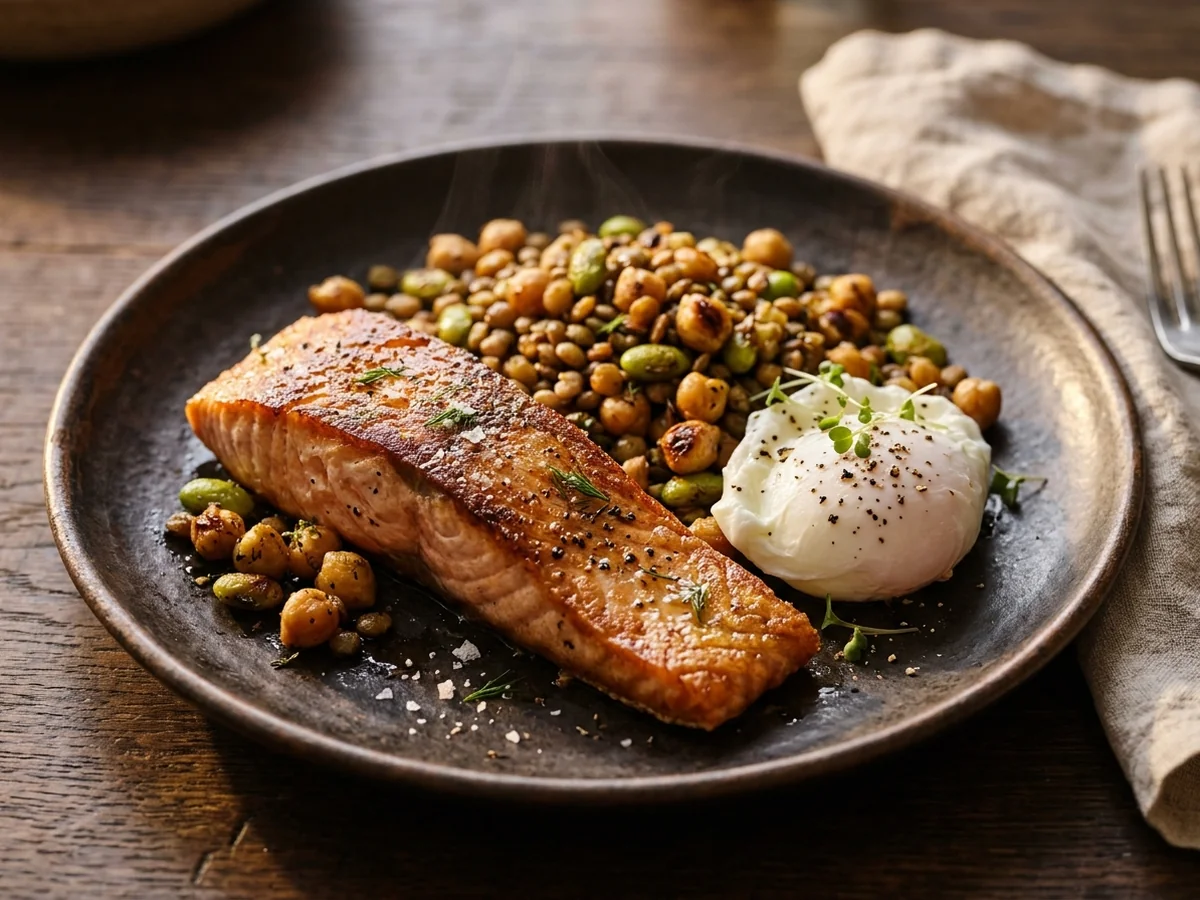
Preparing efficient, protein-rich dinners requires focusing on ingredients that offer high nutritional value with minimal active cooking time. For those seeking easy gluten free dinner recipes, the key is to utilize naturally gluten-free proteins such as poultry, seafood, legumes, and eggs. By prioritizing these staples, you can assemble healthy gluten free dinner ideas that satisfy the whole family without relying on processed substitutes.
| Meal Option | Typical Preparation Time |
|---|---|
| Roasted salmon with brown sugar and mustard | 15 minutes |
| Lemony shrimp and bean stew | 30 minutes |
| Red lentil soup | 45 minutes |
| Sheet-pan lemon chicken with potatoes | 1 hour and 20 minutes |
| Garlic-butter roast chicken | 1 hour and 30 minutes |
When searching for quick gluten free meals, consider the method of cooking. Sheet-pan meals are particularly useful because they consolidate protein and vegetables into a single step, reducing cleanup. For example, sheet-pan lemon chicken with potatoes typically takes about 1 hour and 20 minutes to cook, providing a complete meal with minimal oversight. Similarly, roasted salmon glazed with brown sugar and mustard is a common choice that can be prepared in 15 minutes. The high heat of the oven allows the glaze to caramelize, creating a flavorful crust while the fish remains tender.
If you prefer stovetop cooking, plant-based proteins are excellent additions to your routine. Red lentil soup is a reliable option that can be prepared in approximately 45 minutes. For those who enjoy seafood, a lemony shrimp and bean stew has a typical preparation time of 30 minutes. This dish combines shellfish with fiber-rich legumes, creating a hearty result that pairs well with fresh herbs. Another versatile option is a feta frittata, which is a viable gluten-free meal that works well for both dinner and leftovers.
A common mistake when preparing gluten-free dinner ideas is failing to account for hidden gluten in sauces or seasonings. Always verify that your tamari, broth, and spice blends are certified gluten-free, as standard versions may contain wheat-based thickeners. For more involved meals, such as a garlic-butter roast chicken, which takes 1 hour and 30 minutes to prepare, ensure your aromatics and fats are free from cross-contamination. If you enjoy global flavors, try making matar tofu, a gluten-free variation of traditional matar paneer, or explore coconut curry chickpeas with pumpkin and lime, which serves as a flavorful gluten-free vegetarian option.
Vegetarian Gluten Free Options

Finding satisfying vegetarian meals is straightforward when you focus on naturally gluten-free ingredients like legumes and fresh produce. These gluten-free dinner ideas help you build a diverse weekly menu without the need for specialized wheat-free substitutes.
Consider these plant-based recipes for your next meal planning session:
- Coconut curry chickpeas with pumpkin and lime is a popular gluten-free vegetarian option that balances creamy textures with bright acidity.
- Red lentil soup is a hearty choice that can be prepared in approximately 45 minutes.
- Matar tofu serves as a simple gluten-free variation of traditional matar paneer by swapping cheese for firm protein cubes.
- A feta frittata is commonly recommended as a viable gluten-free meal option that works well for a quick evening dinner.
- Hearty bean stews provide dense nutrition and pair easily with gluten-free grains like quinoa for a complete meal.
When preparing red lentil soup, make sure to verify that your vegetable broth is certified gluten-free, as hidden wheat ingredients can sometimes appear in processed stocks. This soup offers a warming profile that benefits from the addition of fresh herbs or a squeeze of lemon just before serving.
If you enjoy Indian-inspired flavors, matar tofu allows you to enjoy the classic spiced tomato and pea gravy while keeping the dish entirely free of gluten. Using extra-firm tofu ensures the cubes hold their shape during the simmering process, absorbing the spices effectively.
For a tropical twist, coconut curry chickpeas with pumpkin and lime rely on full-fat coconut milk to create a rich, satisfying sauce. The addition of lime at the final stage cuts through the richness of the coconut, elevating the overall flavor of these easy gluten free dinner recipes. Pairing this curry with steamed rice completes the meal perfectly while keeping your kitchen routine simple and efficient.
Sheet Pan and Oven Favorites

Using your oven efficiently is one of the most effective ways to manage gluten free family dinners. By roasting proteins and vegetables together on a single tray, you simplify your kitchen cleanup while ensuring consistent results. Sheet-pan lemon chicken with potatoes is a reliable choice that typically requires about 1 hour and 20 minutes to cook. This method works well because it relies on whole, naturally gluten free ingredients, removing the need for processed substitutions that can often introduce hidden additives.
When roasting, a common mistake is neglecting to check pre-mixed seasonings or spice blends. Some store-bought mixes use wheat-based anti-caking agents. To keep your meals safe, always verify labels or use single-ingredient spices. Oven-roasted chicken shawarma is a flavorful option that relies on a robust marinade to tenderize the meat. Common guidance suggests marinating the chicken for several hours or overnight, which allows the spices to penetrate the surface thoroughly before the high-heat roasting process begins.
If you prefer a faster approach, roasted salmon glazed with brown sugar and mustard is a frequently cited option that can be prepared in 15 minutes. This is ideal for those nights when you need quick gluten free meals that do not compromise on flavor. Another robust option is the garlic-butter roast chicken, which takes 1 hour and 30 minutes to prepare. Using a meat thermometer is the most practical step to ensure your chicken reaches a safe internal temperature, providing a reliable way to gauge doneness without overcooking the meat.
For vegetarian-friendly nights, a feta frittata is a viable gluten free meal option. Eggs provide a versatile base that can accommodate a wide variety of leftover vegetables, making it a low-stress way to clear out the refrigerator. Because frittatas cook rapidly, they serve as a staple for busy schedules. Whether you are roasting a whole chicken or tossing a quick tray of vegetables, these oven-based methods allow you to maintain a healthy gluten free dinner ideas rotation with minimal equipment and predictable results.
Adapting Family Favorite Recipes

You can successfully transform your household staples by substituting specific ingredients that maintain the texture and flavor profiles your family enjoys. When exploring new gluten-free dinner ideas, focus on finding reliable alternatives that behave similarly to wheat-based products during the cooking process.
- Swap traditional wheat pasta for chickpea pasta or quinoa, which provide a similar bite and absorb sauces effectively.
- Use cornstarch as a reliable thickening agent for gravies and sauces instead of wheat flour to ensure your meals remain safe.
- Test your modifications in small batches before preparing a full meal to see how different gluten-free flours or grains respond to your specific recipe.
- Ensure that secondary ingredients, such as soy sauce, are replaced with tamari to avoid hidden gluten sources.
- Check labels on all pre-packaged items to confirm they were processed in a facility that avoids cross-contamination.
- Prioritize naturally gluten free dinner components like rice, potatoes, and fresh vegetables to simplify the transition.
When you start replacing wheat pasta, keep in mind that chickpea pasta often requires less boiling time than standard noodles. Watch the pot closely to prevent the pasta from becoming mushy, as it can soften quickly once it reaches the ideal texture. If you choose quinoa, rinse it thoroughly before cooking to remove its natural bitter coating.
For thickening sauces, create a slurry by mixing cornstarch with a small amount of cold water or broth before whisking it into your hot pan. This technique prevents lumps from forming and gives your dish a glossy, professional finish. Remember that cornstarch generally has a stronger thickening power than flour, so start with a smaller amount and increase it only if your sauce needs additional body.
Always practice your recipe adjustments on a smaller scale. By preparing a single serving of a comfort classic, you can observe how the flavor profile changes and make necessary seasoning adjustments without wasting ingredients. This methodical approach helps you refine your cooking technique while keeping family dinners stress-free and delicious.
Gluten-Free Meal Planning Tips

Work with a registered dietitian to create a personalized nutrition plan that supports your specific health needs while ensuring you receive a balanced intake of essential vitamins and minerals. A professional can help you navigate ingredient labels, identify hidden sources of gluten in pantry staples, and suggest appropriate substitutions for your favorite family recipes.
Consult a doctor if you experience persistent symptoms like chronic digestive distress, unexplained fatigue, or sudden weight changes after adjusting your eating habits. These signs can sometimes indicate that your current approach is not meeting your physical requirements or that an underlying health issue requires further investigation. Never ignore persistent physical discomfort, as it is important to address these concerns with a qualified medical provider.
Seek medical advice immediately if you suspect you are suffering from nutritional deficiencies. Removing entire food groups without proper guidance can sometimes lead to an inadequate intake of nutrients like iron, calcium, or B vitamins. Your healthcare provider can order blood tests to determine if your current diet is providing enough fuel for your body and recommend safe, effective ways to address any gaps in your nutrition.
Keep the following practices in mind to make your transition smoother:
- Check labels carefully on processed items, as common pantry staples like soy sauce or chicken broth may contain wheat-based additives.
- Prioritize naturally safe foods such as fresh produce, unprocessed meats, and whole grains like quinoa to simplify your grocery shopping.
- Organize your kitchen to prevent cross-contamination by using dedicated utensils and cutting boards for your preparation.
- Focus on simple techniques, like roasting or slow cooking, to build flavorful meals from basic, high-quality ingredients.
FAQ
What are some common gluten-free dinner ideas?
Many naturally gluten-free dinner ideas revolve around fresh proteins and vegetables, such as roasted salmon glazed with brown sugar and mustard, which can be prepared in 15 minutes. You can also rely on staples like coconut curry chickpeas with pumpkin and lime, which is a common gluten-free vegetarian option.
What is a quick gluten-free dinner I can make tonight?
For a fast meal, red lentil soup can be prepared in approximately 45 minutes. A lemony shrimp and bean stew is another common choice, with a typical preparation time of 30 minutes.
How long does it take to prepare roast chicken?
Garlic-butter roast chicken takes 1 hour and 30 minutes to prepare. If you prefer using a sheet pan, lemon chicken with potatoes typically takes approximately 1 hour and 20 minutes to cook.
Can I make traditional family favorites gluten-free?
Yes, you can easily adapt many recipes by using simple substitutions, such as using tamari instead of soy sauce to keep meals gluten-free. Matar tofu is a common gluten-free variation of traditional matar paneer, while a feta frittata is a reliable and quick meal option for busy evenings.
Are there hidden sources of gluten in common pantry staples?
Hidden gluten often hides in processed ingredients like store-bought chicken broth, spice blends, and certain marinades. Always check ingredient labels carefully or use naturally gluten-free seasonings to ensure your meal remains safe.
Conclusion
Selecting your next meal begins with auditing your pantry for hidden sources of gluten, such as standard soy sauce or thickened broths. Once your kitchen is prepped, you can confidently explore these gluten-free dinner ideas to build a weekly rotation of reliable favorites. Simply choose one protein or vegetable-based dish from the list above and verify all labels before you start cooking.
Sources: llcc.edu, extension.unh.edu
You might also like: Sunday Dinner Ideas: 35 Best Recipes to Feed a Crowd