
Side Dishes for Shrimp Pasta: 15 Light & Fresh Pairings
Introduction
The best side dishes for shrimp pasta balance the richness of the seafood with crisp, refreshing, or light textures. Choosing the right side dishes for shrimp pasta depends on whether your meal features a heavy cream sauce or a lighter lemon and herb base.
This guide covers a variety of pairings designed to round out your dinner, ranging from simple vegetable sides for shrimp pasta to fresh salad options. You will find recommendations for quick vegetable preparations, such as roasted asparagus with Parmesan, which often takes about 20 minutes. We also explore grain-based accompaniments like a Spinach and Orzo Salad, a common pairing for basil-heavy dishes, and quick options like Couscous Primavera that typically take 10 minutes to prepare. Whether you need a crisp green salad or a warm crusty bread to soak up extra sauce, these suggestions help you build a complete and well-balanced meal.
Best Vegetable Sides
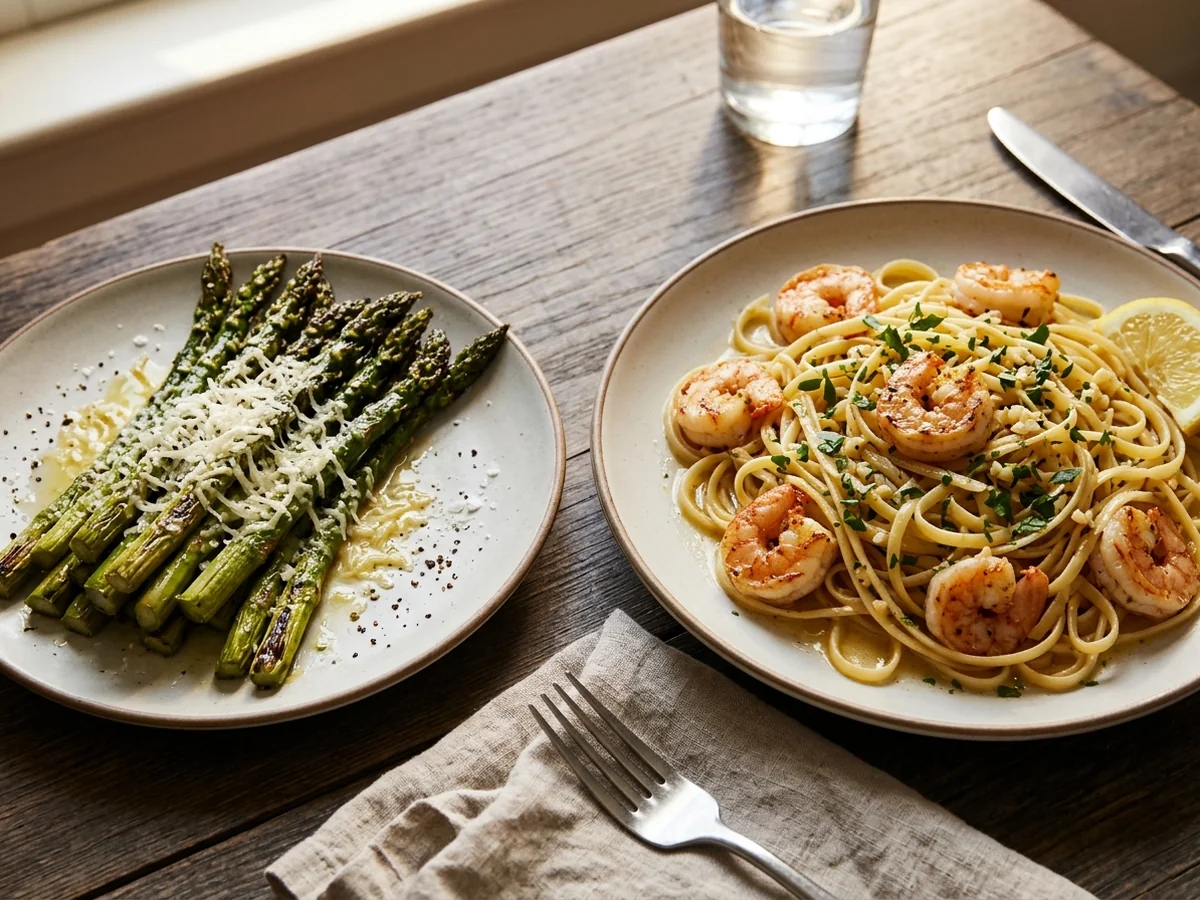
Roasted asparagus with a light dusting of Parmesan is a common choice to accompany seafood pasta, often ready in about 20 minutes. This vegetable offers a crisp texture that contrasts well with soft noodles and tender shrimp.
Selecting appropriate accompaniments relies heavily on your sauce base. For oil-based recipes, which tend to be lighter, you should aim for simple vegetable preparations that highlight seasonal freshness. These selections provide a necessary brightness that prevents the meal from feeling too heavy.
Cream-based sauces benefit from sides that offer sharp acidity or a crisp bite. Adding lemon zest or fresh herbs to your vegetables helps cut through the richness of dairy, creating a more balanced dining experience.
You can effectively offset the carbohydrate density of a pasta dish by focusing on nutrient-dense options. Incorporating a variety of textures and vibrant colors adds both visual appeal and dietary variety to your dinner plate.
- Roasted asparagus with Parmesan: A classic, quick choice that pairs well with almost any seafood preparation.
- Spinach and orzo salad: Often considered a suitable accompaniment when serving basil shrimp.
- Couscous Primavera: A light, grain-based option that generally takes about 10 minutes to prepare for a quick meal.
When you choose your vegetables, consider the overall profile of the dish. A spicy pesto or a garlicky scampi requires a different balance than a mild, buttery cream sauce. Fresh greens or roasted vegetables act as a palate cleanser, ensuring each bite remains enjoyable from start to finish.
Classic Garlic Bread
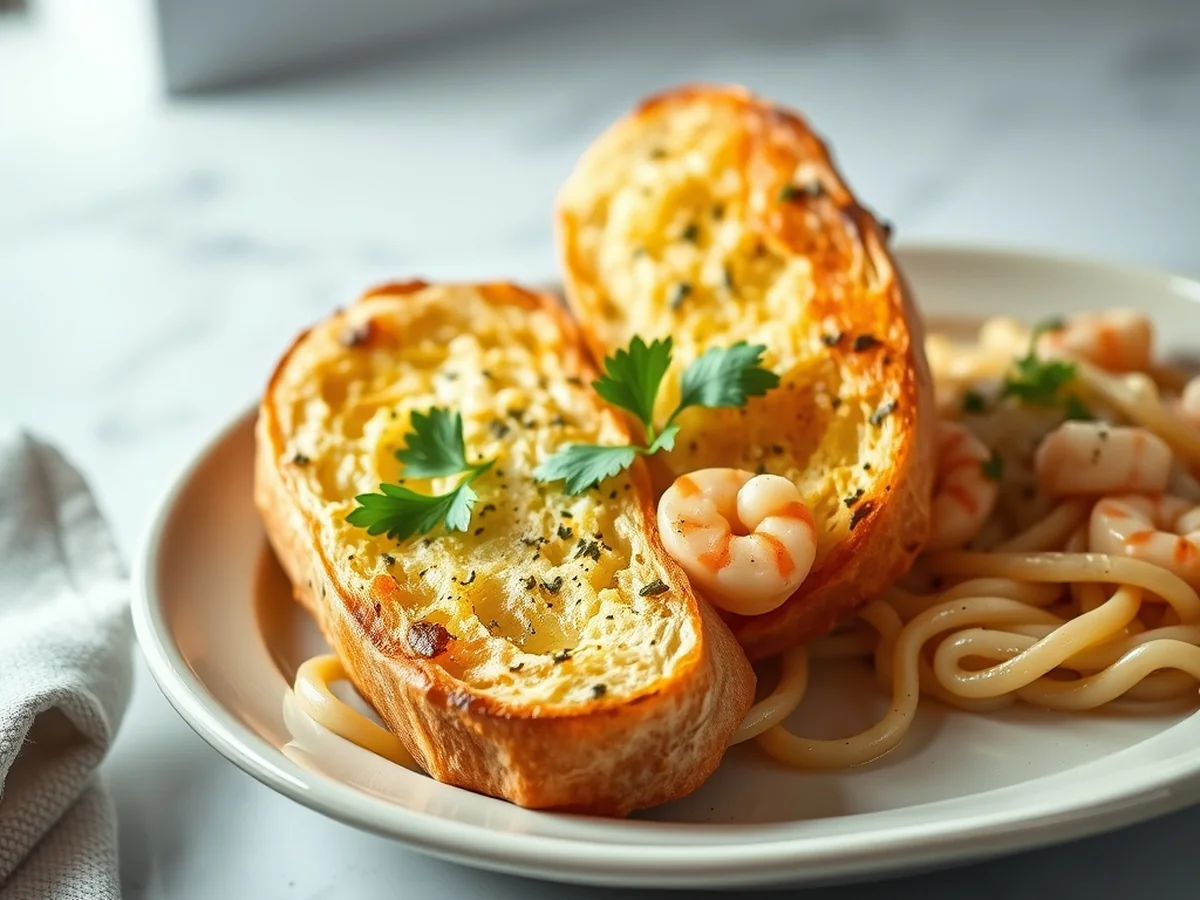
Garlic bread serves as an ideal accompaniment to shrimp pasta because its crisp texture and savory profile provide a satisfying contrast to tender seafood. When serving a meal with a heavy cream or tomato sauce, a simple loaf of toasted bread helps soak up flavorful remnants left on the plate. It offers a hearty, comforting element that balances the lighter components of the main dish.
For those preparing scampi-style meals that rely on lighter, oil-based sauces, choosing a bread side requires a different approach. A crusty focaccia or baguette brushed with extra virgin olive oil works well to maintain the delicate balance of the dish without overpowering the garlic and lemon notes. These bread sides for shrimp scampi act as a neutral base, allowing the citrus and herb flavors of the shrimp to remain the focus of the meal.
To keep the meal balanced, consider the overall nutritional profile when adding baked goods to your table. While these pairings are traditional, you can also include fiber-rich vegetables to round out the plate. Including healthy side dishes for pasta ensures that you get a variety of textures alongside your starch. If you are looking for specific vegetable additions, consider these options:
- Roasted asparagus with a dusting of Parmigiano Reggiano, which is commonly prepared in about 20 minutes.
- A fresh spinach and orzo salad, which is typically considered a suitable accompaniment for basil shrimp.
- A light couscous primavera, which usually takes approximately 10 minutes to prepare for a quick addition to your dinner.
Selecting the right bread depends largely on the weight of your sauce. Creamy sauces pair best with thick, toasted slices that can stand up to the richness, while oil-based preparations benefit from airy, herb-infused loaves. By matching the intensity of your bread choice to the sauce, you create a cohesive dining experience that highlights the quality of your seafood.
Fresh Vegetable Pairings

Incorporating fresh produce alongside your meal provides a necessary contrast to the starch of the noodles and the texture of the shellfish. These simple vegetable sides for shrimp pasta help balance the overall profile of your dinner, whether you are serving a light lemon sauce or a richer cream base. Choosing the right pairing requires evaluating the intensity of the sauce: heavy, cream-based dishes benefit from crisp, acidic vegetables, while lighter oil or garlic preparations pair well with earthy, roasted options.
- Roasted Asparagus: This is a reliable choice for balancing rich pasta dishes. A common practice is to roast the stalks with a dusting of Parmigiano Reggiano, which typically takes about 20 minutes to prepare from start to finish.
- Peppery Greens: Arugula offers a sharp, bitter bite that effectively cuts through the richness of buttery or heavy cream sauces. Toss these greens lightly with extra virgin olive oil and lemon zest to keep the side bright and palate-cleansing.
- Cherry Tomatoes: Adding fresh cherry tomatoes to your plate or incorporating them into a side salad brings a burst of acidity. This acidity complements the natural sweetness of sautéed shrimp, providing a refreshing counterpoint to the pasta.
- Spinach and Orzo Salad: For preparations featuring fresh basil, a spinach and orzo salad is a suitable accompaniment. This dish adds texture and fiber, rounding out a meal that might otherwise feel too focused on a single carbohydrate source.
- Couscous Primavera: This grain-based dish serves as a versatile vegetable vehicle. It is generally quick to assemble, with a common preparation time of approximately 10 minutes.
A common mistake when selecting side dishes is over-seasoning the vegetables, which can distract from the delicate flavor of the shrimp. Instead, aim for simplicity by using high-quality fats like extra virgin olive oil and fresh herbs. If you are preparing a heavy cream sauce, avoid starch-heavy sides to prevent the meal from feeling weighed down. Conversely, if your pasta is a simple oil and garlic base, you have more flexibility to add heartier roasted vegetables or even grain-based sides like couscous to create a more substantial dining experience.
When planning, consider the contrast in cooking methods. If your shrimp are sautéed, roasted vegetables provide a pleasant, earthy depth that rounds out the texture of the meal. If you are looking for healthy side dishes for pasta that maintain a light profile, focus on raw, fibrous vegetables that require minimal cooking, ensuring you keep the meal balanced without overshadowing the main component of your dish.
Roasted Asparagus Spears

Roasted asparagus serves as one of the most effective simple vegetable sides for shrimp pasta. The natural, earthy profile of the vegetable provides a necessary crisp contrast to the softness of noodles, while its inherent lightness ensures the meal remains balanced rather than heavy. When roasted at high heat, the spears develop a caramelized exterior that complements both oil-based garlic sauces and richer cream-based preparations.
A common culinary practice is to toss trimmed asparagus in extra virgin olive oil, salt, and pepper, then roast until tender, which generally takes about 20 minutes. To elevate the dish, a final dusting of Parmigiano Reggiano adds a salty depth that bridges the gap between the roasted vegetable and the delicate flavor of the shrimp. For a brighter finish, adding a touch of lemon zest just before serving helps cut through the richness of a cream sauce.
When planning your menu, consider these practical approaches to balancing your plate:
- Texture management: Aim for a variety of textures by contrasting the delicate shrimp and cooked pasta with the crunch of fresh produce. If your pasta is particularly soft, slightly under-roasting the asparagus preserves a firmer bite.
- Sauce-based selection: Choose lighter, acidic sides like roasted asparagus for heavy, cream-based pasta sauces. If the pasta features a light olive oil or lemon-butter base, you have more flexibility to include heartier roasted items like cherry tomatoes or roasted squash.
- Grain alternatives: If you prefer to add substance beyond vegetables, Couscous Primavera is a common accompaniment that typically takes about 10 minutes to prepare, making it a convenient option for quick weeknight dinners.
- Salad pairings: A Spinach and Orzo Salad is a suitable accompaniment, especially when your main dish highlights fresh basil. The acidity of the salad dressing cleanses the palate between bites of buttery shrimp.
A frequent mistake home cooks make is overcrowding the baking sheet. To achieve a true roast rather than a steam, ensure the asparagus spears are spread in a single layer with enough space for hot air to circulate. If the spears are too crowded, they will release moisture and become limp instead of developing the desired char.
Selecting The Right Bread
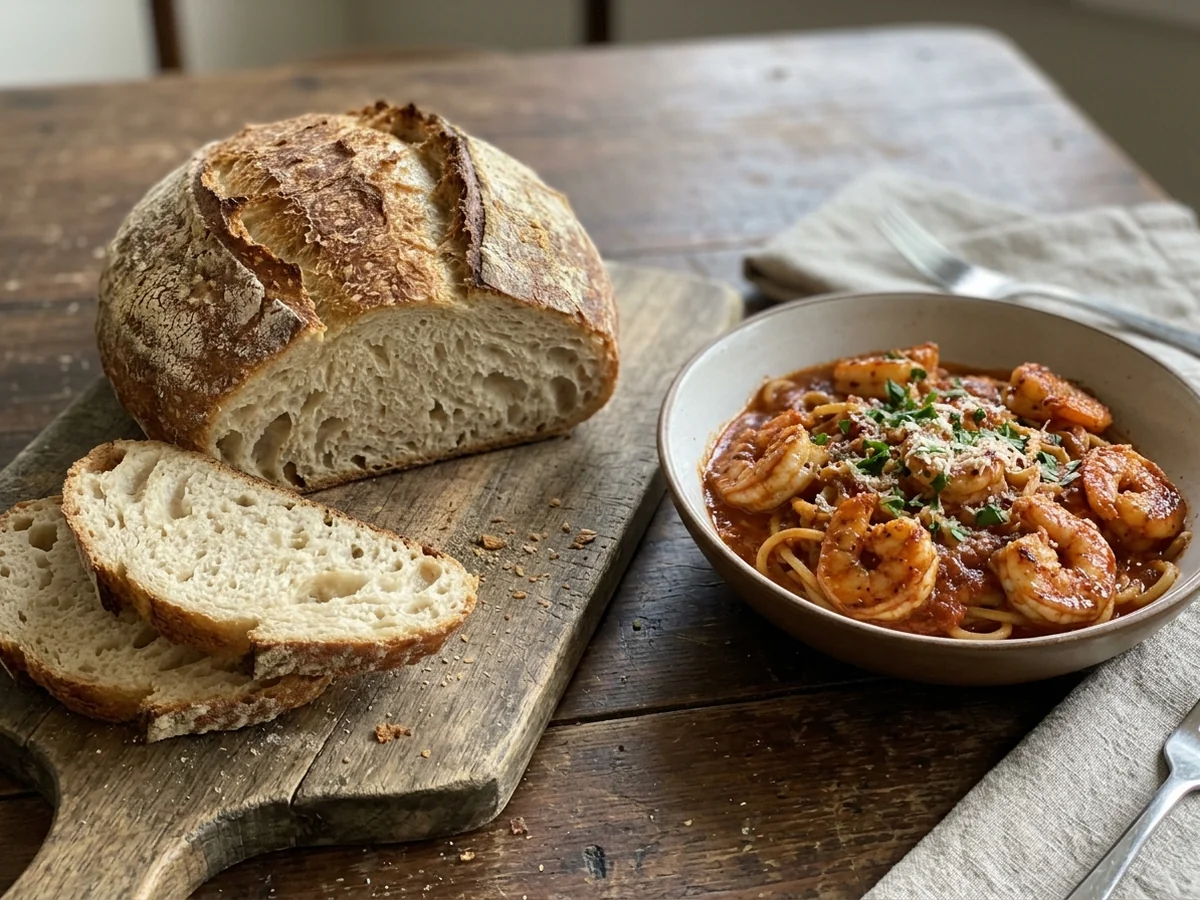
Choose crusty bread for dishes with abundant sauces and select soft options like focaccia when you want a lighter, herb-forward accompaniment. Crusty loaves provide the structural integrity needed to soak up heavy butter or cream sauces without falling apart. In contrast, the airy, oil-rich crumb of focaccia works best alongside dishes that highlight delicate flavors or fresh herbs.
Extra virgin olive oil serves as the ideal dipping base for these bread sides for shrimp scampi or similar garlic-forward preparations. Its robust, peppery profile complements the natural sweetness of the shellfish while balancing the acidity of lemon zest or white wine reductions. For the best result, use a high-quality oil to ensure the dipping experience feels like a deliberate part of the meal rather than an afterthought.
Bread is a classic choice for shrimp scampi because the dish typically features a generous amount of garlic butter or emulsified sauce at the bottom of the bowl. Serving a thick slice of toasted baguette allows you to capture every drop of the flavorful liquid that remains after the pasta is gone. This pairing turns the bread into an extension of the main course, ensuring that the savory, aromatic elements of the sauce are fully utilized.
When planning your menu, consider the texture of your chosen bread in relation to your pasta sauce. A dense, crusty loaf is often the best of the side dishes for shrimp pasta when that pasta is served in a rich or oily sauce. If you are serving a lighter dish, such as one featuring fresh basil or cherry tomatoes, a softer, porous bread allows you to enjoy the meal without overwhelming the palate.
Light Salad Pairings

Crisp, green salads provide the best salad pairings for seafood pasta because they cut through the richness of the main dish without feeling heavy. By focusing on fresh, citrus-based dressings, you ensure the acidity complements the delicate flavor of the shellfish rather than masking it.
A simple vinaigrette made with extra virgin olive oil and fresh lemon zest is often enough to brighten the entire meal. Avoid creamy or mayonnaise-heavy dressings, as these can quickly overwhelm the meal and make the overall experience feel unbalanced.
Fresh herbs are essential for elevating these salads. Incorporating handfuls of fresh basil or flat-leaf parsley adds a vibrant, aromatic layer that bridges the gap between the salad and the garlic-forward notes often found in shrimp dishes. Arugula also works well as a base, providing a slightly peppery bite that balances the sweetness of sautéed shrimp.
Keeping these accompaniments simple is the key to a successful table. When preparing your vegetables, follow these general practices for a refined result:
- Use a base of tender greens like arugula or baby spinach.
- Add halved cherry tomatoes for a pop of color and natural sweetness.
- Finish with a light sprinkle of high-quality Parmigiano Reggiano to add depth without weight.
- Consider a Spinach and Orzo Salad, which is commonly served alongside basil shrimp to provide a hearty yet fresh texture.
Because the main course is already flavor-dense, your salad should act as a palate cleanser. Focus on textures that are crisp rather than soggy. If you choose to add raw vegetables, slice them thinly to maintain a delicate mouthfeel. By keeping the ingredients minimal and the dressing bright, you allow the quality of the seafood to remain the center of the meal.
Gluten-Free Side Ideas

You can easily complement a meal centered on seafood noodles by incorporating gluten-free grains or fresh vegetable alternatives that provide a balanced texture. These options avoid wheat-based ingredients while offering a satisfying addition to your dinner plate.
- Roasted asparagus with Parmesan, often prepared in about 20 minutes, serves as a nutrient-dense and naturally gluten-free choice.
- Couscous Primavera is a versatile grain-based accompaniment that typically takes 10 minutes to prepare and pairs well with lighter seafood preparations.
- Spinach and Orzo Salad is widely considered a suitable accompaniment for basil shrimp, though you should ensure the orzo is certified gluten-free if you require a strictly wheat-free meal.
- Zucchini noodles, or zoodles, offer a low-carb, grain-free alternative for those looking to swap out extra pasta for more vegetables.
- Fresh arugula tossed in extra virgin olive oil and lemon zest provides a crisp, light contrast to richer, cream-based sauces.
- Steamed cherry tomatoes with fresh basil add a burst of acidity and color to the meal without relying on any gluten-containing components.
If you need dairy-free options to accompany your meal, focus on preparations that rely on healthy fats rather than butter or cheese. Extra virgin olive oil is an excellent base for sautéed vegetables, providing richness without dairy. You can also flavor your vegetables with lemon zest, garlic, or fresh herbs like basil to ensure the dish remains vibrant and flavorful. For grain-based options, simply dressing your chosen grain with a high-quality oil and fresh herbs keeps the profile clean and allergen-friendly.
Low-carb diners often find success by prioritizing vegetable-heavy pairings instead of additional starches. Replacing traditional carbohydrate-heavy sides with zoodles or other shredded seasonal vegetables keeps the plate light. These fresh vegetable options serve as excellent light sides for creamy pasta, effectively cutting through the richness of the sauce without adding heavy wheat or grain components to your dinner.
Crispy Bruschetta Bites
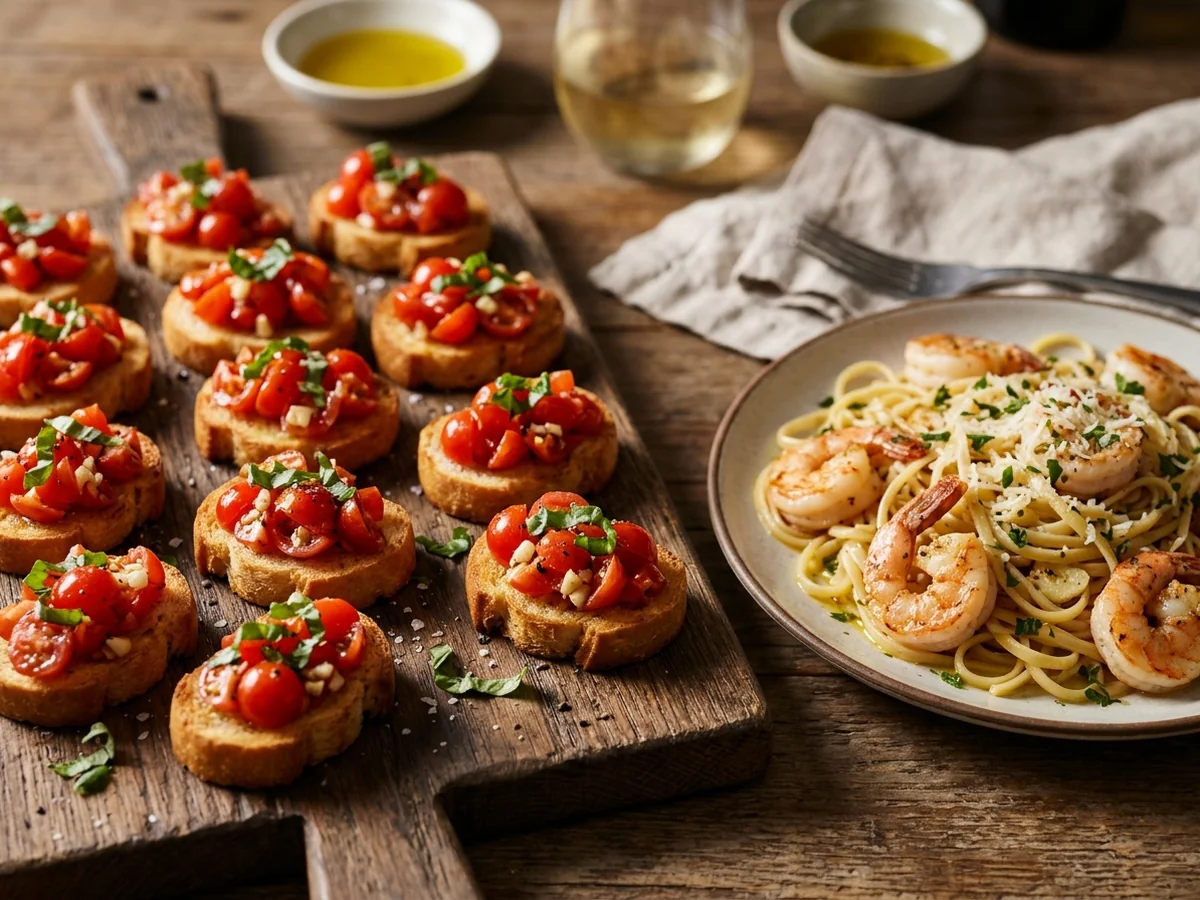
Crispy bruschetta bites serve as an ideal accompaniment to seafood noodles because they provide a necessary crunch that balances the soft texture of the main course. When selecting these small toasts, focus on simple toppings like diced cherry tomatoes and fresh basil to keep the palate refreshed without overwhelming the delicate flavor of the shrimp.
Planning a menu requires careful attention to the density of your components. Avoid pairing two starchy sides together, such as serving garlic bread alongside a heavy pasta bowl, as this makes the meal feel unbalanced and overly filling. Instead, look for contrasting flavor profiles that cut through the richness of a cream sauce or highlight the brightness of a lemon-based dish.
Be mindful of the dressing you choose for any additional greens on your plate. Many cooks make the mistake of using heavy, oil-based dressings on side salads, which can mask the nuances of the seafood rather than enhancing them. A lighter, citrus-forward vinaigrette is a much more effective choice for maintaining a clean, vibrant meal.
Follow these guidelines to ensure your toasted bread slices elevate your dining experience:
- Rub the toasted baguette slices with a raw garlic clove while they are still warm to infuse flavor without extra fat.
- Top your bread with a mixture of finely chopped cherry tomatoes and fresh herbs to add a burst of acidity.
- Keep the portion size small so the toast acts as a palate cleanser rather than a second main carbohydrate.
- Avoid using heavy cheeses or oily spreads that distract from the primary notes of the shrimp.
- Balance the texture by ensuring your bread is toasted until firm, which provides a satisfying snap against the tender pasta.
FAQ
What vegetables pair well with shrimp?
Crisp, earthy vegetables like asparagus, zucchini, and cherry tomatoes work exceptionally well because they mirror the light, oceanic flavor profile of the shellfish. Common guidance suggests that roasted asparagus with Parmesan is a reliable choice that can be prepared in about 20 minutes to round out a plate.
What are good low-carb sides for shrimp dishes?
You can opt for fresh salad greens or raw vegetable platters to keep the overall meal profile light. Using zoodles or roasted cauliflower as a volume-heavy filler also helps maintain a balance against the starch in the pasta.
How do I balance a meal containing shrimp and pasta?
The key to balance is pairing heavier, creamy pasta dishes with acidic or bitter side dishes, such as an arugula salad dressed with extra virgin olive oil and lemon zest. If your pasta is light and oil-based, consider a heartier grain component like a spinach and orzo salad, which is a suitable accompaniment for basil shrimp.
Are grains a good choice for side dishes for shrimp pasta?
Grains add a pleasant texture and help stretch a meal when you have limited protein. For instance, couscous Primavera is a popular option that typically takes around 10 minutes to prepare, making it efficient for weeknight cooking.
What type of bread goes with shrimp scampi?
Crusty, toasted breads like focaccia are ideal for shrimp scampi as they are perfect for mopping up residual garlic-infused oil or butter sauces. You can enhance the flavor by rubbing a fresh garlic clove over the toasted bread before serving.
Conclusion
Choosing the right accompaniment depends primarily on your pasta sauce profile and the overall weight of the meal. Opt for crisp, acidic salads when serving creamy sauces, or select roasted vegetables like asparagus with Parmesan to provide texture against lighter, oil-based preparations. When planning your next dinner, consider how these various side dishes for shrimp pasta balance both the flavor and the nutritional profile of your main course. Once you identify the dominant notes in your shrimp dish, you can confidently pick a pairing that enhances the meal without overpowering the delicate seafood.
You might also like: Date Night Dinner Ideas: 30 Romantic Recipes to Make at Home