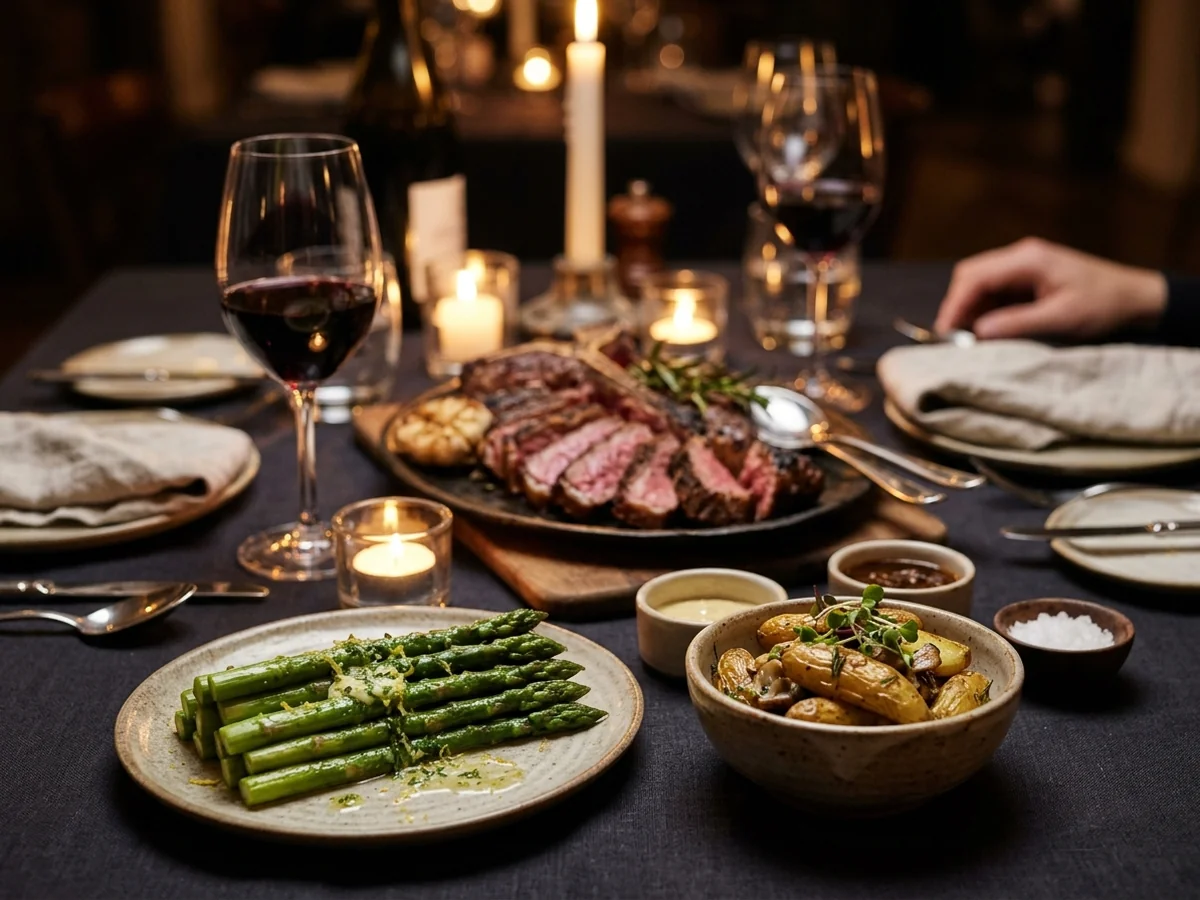
Side Dishes for Steak: 20 Best Savory & Crispy Pairings
Introduction
Choosing the right side dishes for steak enhances the rich meat flavor and balances out the savory fat with contrasting textures. Pairing a tender cut with a well-chosen side creates a complete meal where the flavors complement each other on the plate.
This guide covers easy, healthy, vegetable, romantic, and Southern options to suit any meal plan. You will also find practical tips for choosing and preparing the best accompaniments for your next dinner.
How to Choose the Perfect Side Dish for Steak

Choosing the right accompaniment for beef involves balancing flavors, varying cooking methods, and considering nutritional guidance from organisations like the American Heart Association and USDA FoodData Central. You want every component on the plate to enhance the meal without overpowering the main protein.
The secret to a successful pairing lies in contrast. Rich, heavy cuts of beef pair exceptionally well with bright, acidic accompaniments that cut through the fat and refresh your palate. Texture plays an equally important role. Serving a tender, juicy cut with crispy roasted vegetables or a smooth, creamy mash creates a more dynamic eating experience.
When planning your menu, practical logistics matter just as much as flavor. Vary your cooking methods so you do not crowd the oven or stovetop while the meat rests. If your beef requires high heat on the stove, choose a roasted or cold vegetable side dish for steak to save precious burner space.
A common mistake is treating the accompaniments as an afterthought, which can lead to a plate that feels overly heavy or monotonous. Aim for nutritional balance by incorporating colorful options that add fiber and essential vitamins. Harvard T.H. Chan School of Public Health research often highlights the value of plant-rich eating patterns, while general dietary guidance helps keep saturated fat and sodium levels moderate across the entire meal.
Whether you need quick, easy side dishes for steak on a busy weeknight or elegant vegetable side dishes for steak for a special gathering, thoughtful planning ensures every element on the table shines.
Easy Side Dishes for Steak
Pairing a beef dinner with the right accompaniments does not require advanced culinary techniques or rare ingredients. Home cooks can elevate a simple cut of meat by focusing on balance, timing, and straightforward preparation methods that let the main dish shine. Selecting the right complement involves balancing the rich and savory qualities of beef with fresh, bright flavors or comforting textures.
When planning a weeknight meal, keeping the process efficient helps reduce stress in the kitchen. Simple preparation steps make it easy to coordinate cooking times so everything finishes simultaneously. The following ideas provide quick and reliable options for busy evenings:
-
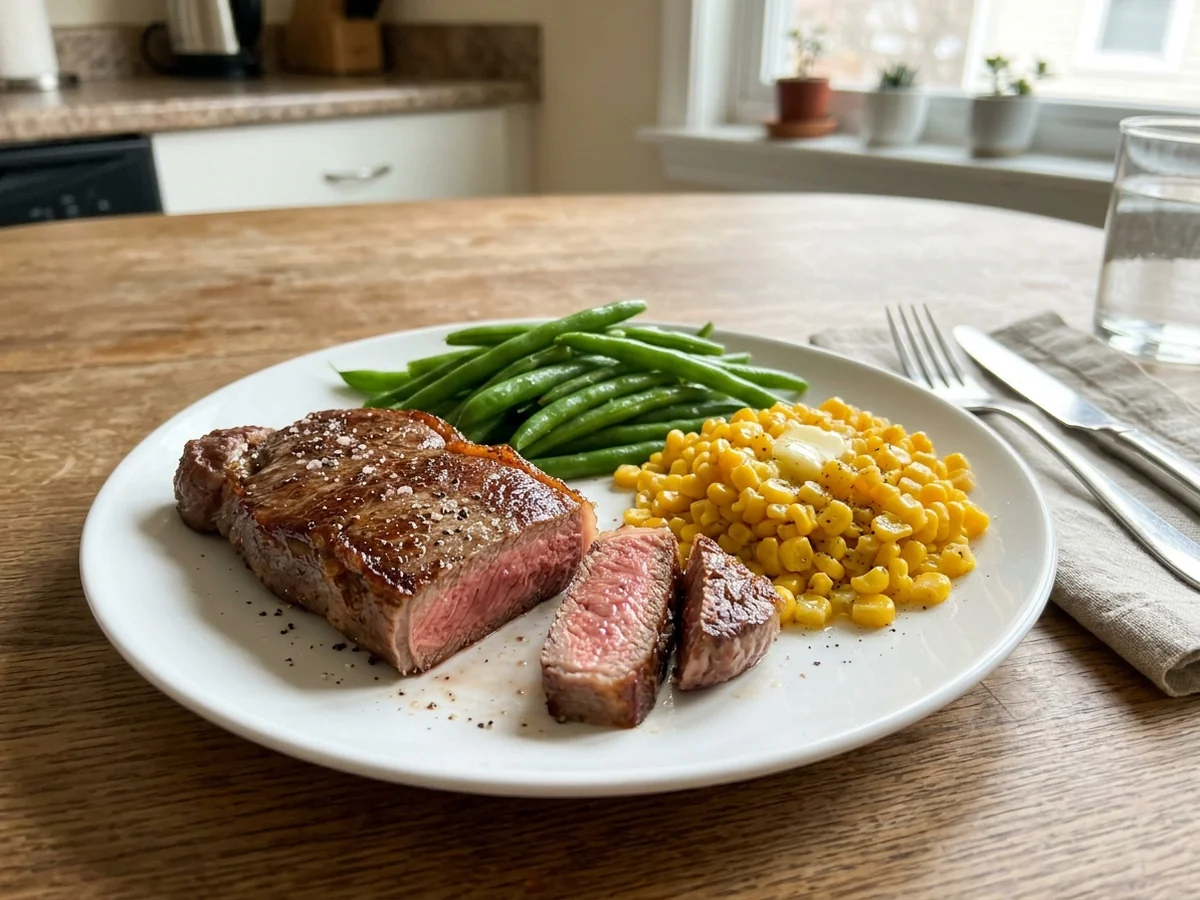
Garlic-Butter Sautéed Green Beans
Trim the ends of fresh green beans before cooking them in a hot skillet with butter, minced garlic, salt, and black pepper until they reach a tender and slightly crisp texture.
-
Quick Herb-Roasted Potatoes
Toss diced potatoes with cooking oil, dried herbs, salt, and pepper on a baking sheet before roasting them at a high temperature until they turn golden brown and fork tender.
-
Simple Garden Salad
Toss mixed greens with a light vinaigrette to introduce a crisp and acidic element that cuts through the richness of a heavier beef cut.
A common mistake when preparing accompaniments is overcrowding the pan, which traps moisture and prevents vegetables from browning properly. Cooking in batches or using a large baking sheet ensures proper heat distribution. Finishing dishes with a splash of fresh lemon juice or grated parmesan cheese adds a final layer of brightness without adding extra prep time to the routine.
Healthy Side Dishes for Steak
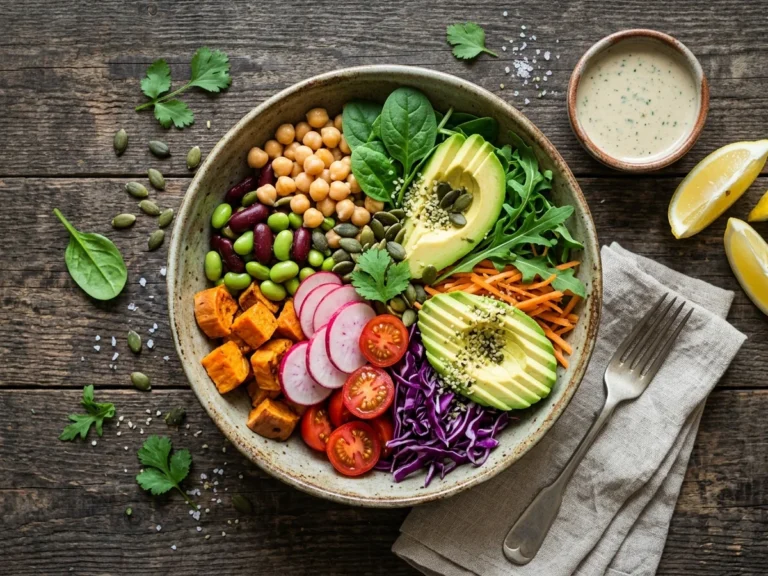
Nutritious accompaniments balance a heavy protein meal by adding essential vitamins, minerals, and dietary fiber. Choosing wholesome vegetable pairings helps support overall well-being while enhancing the main course. When planning balanced meals, home cooks often look for simple accompaniments that require minimal preparation while still delivering vibrant flavors and textures.
Quinoa Lemon Salad with Fresh Herbs
Light grains mixed with fresh herbs provide sustained energy and complex carbohydrates without heavy fats. This option fits well when you want nutritious accompaniments that feel refreshing and light. To prepare this dish, rinse the grains thoroughly before cooking to remove any natural bitterness. Fluff the finished grains gently with a fork and fold in finely chopped parsley, mint, and a splash of fresh lemon juice just before serving to maintain a crisp texture.
Steamed Broccoli with Citrus Vinaigrette
Steaming green vegetables preserves their natural nutrients and fiber content while keeping added oils to a minimum. A bright dressing made with citrus juice adds vibrant flavor without relying on heavy cream or excessive butter. A common mistake when cooking vegetable side dishes for steak is overcooking the greens, which dulls their bright color and diminishes their crisp bite. Remove the vegetables from the heat while they remain tender and bright green, then toss them lightly with the dressing right before plating.
- Quinoa provides plant-based protein and fiber that complement grilled beef without weighing down the meal.
- Steamed green vegetables supply essential micronutrients and bulk to keep digestion running smoothly.
- Fresh herb additions elevate simple ingredients naturally without extra sodium or saturated fats.
- Citrus dressings offer a tangy alternative to heavy sauces while keeping the overall meal light.
Vegetable-Focused Side Dishes for Steak
Vegetable pairings bring vibrant color, contrasting textures, and rich umami flavors to your plate, balancing the savory weight of grilled beef. Plant-based accompaniments also introduce natural sweetness and earthy notes that complement rich cuts of meat. Mastering a few preparation techniques helps you achieve optimal caramelization on your produce without burning.
Getting that deep, savory crust on vegetables requires dry surfaces, high heat, and minimal turning. Patting your produce completely dry before cooking removes excess moisture that causes steaming instead of browning. Giving each piece enough space in the pan or on the baking sheet ensures direct contact with the hot surface, which builds a rich, golden-brown exterior.
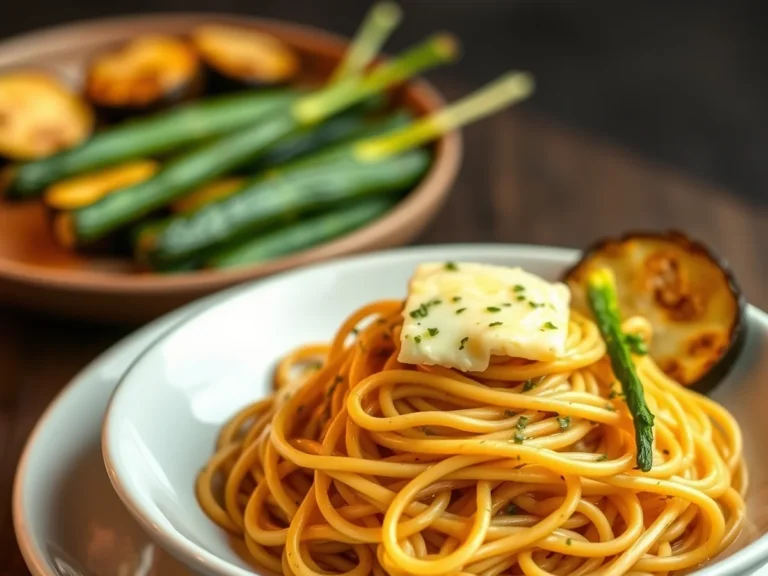
Charred Asparagus with Parmesan
Green stalks benefit from high heat methods that cook them quickly while preserving their natural crispness. Tossing the spears in a minimal amount of oil before cooking helps conduct heat evenly across the surface. Finishing the hot greens with grated cheese adds a savory element that enhances the flavor of the beef.
Roasted Root Vegetables with Balsamic Glaze
High heat roasting concentrates the natural sugars found in root vegetables, creating delicious caramelized edges and a tender interior. Spacing the pieces properly on your baking sheet prevents steaming and encourages deep browning. Drizzling a balsamic glaze over the warm produce just before serving brightens the earthy flavors instantly.
Home cooks often crowd the pan when preparing plant-based accompaniments for beef, which traps moisture and prevents proper browning. Giving each piece room to breathe ensures that you achieve that desirable restaurant quality texture. Incorporating healthy vegetable side dishes into your meal planning adds balance and vibrant contrast to the heavier proteins on your table.
Romantic Steak Dinner Sides
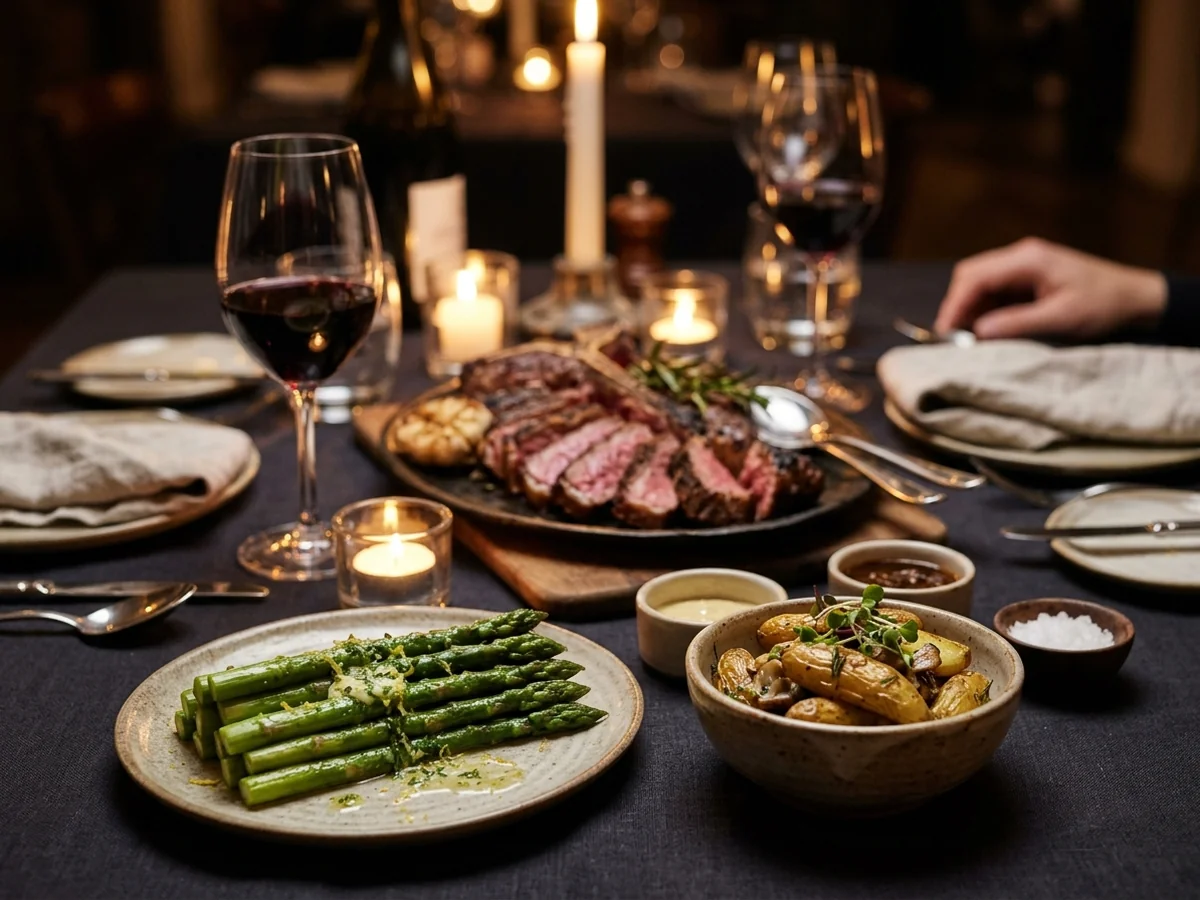
Thoughtfully prepared accompaniments rely on refined presentation techniques and contrasting flavor profiles to elevate a quiet evening at home. Home cooks ranging from beginners to experienced culinary enthusiasts often look for ways to make a meal feel special through careful plate composition. Transforming standard vegetable pairings into sophisticated culinary creations starts with balancing rich savory proteins with bright or creamy elements.
Red Wine-Poached Pears with Goat Cheese
Red wine-poached pears topped with creamy goat cheese offer a striking balance of deep fruit sweetness and sharp dairy tang that complements savory proteins. This dish bridges the gap between savory and sweet, acting as an exceptional choice when you want memorable pairings for a special night. Plating these components requires deliberate care to mimic professional restaurant standards. Placing a small smear of reduced poaching liquid on the plate beneath the fruit adds a dramatic touch of color, while crumbling the cheese lightly over the top creates an artistic finish.
Roasted Asparagus with Lemon and Parmesan
Roasted asparagus provides a vibrant green color and a tender yet crisp texture that cuts through the richness of a heavy cut of beef. Cooking the spears at a high temperature ensures they develop a light char without losing their fresh bite. Finishing the vegetable with a squeeze of fresh lemon juice and shaved Parmesan cheese adds brightness and umami depth. Home cooks should avoid overcooking the spears to maintain a refined presentation on the plate.
Creamy Truffle Mashed Potatoes
Mashed potatoes offer a comforting texture that absorbs pan juices from the main course, making them a classic choice for an intimate dinner. Infusing the potato mixture with a hint of truffle oil or butter introduces an earthy aroma that elevates a traditional staple into an upscale side. Achieving a smooth consistency requires thoroughly draining the potatoes before mashing and incorporating warm cream gradually to prevent a heavy or gummy texture.
Southern-Style Accompaniments for Beef
Traditional Southern-style pairings bring comforting flavors, rich textures, and regional cooking techniques to your beef dinner. These savory foods provide a wonderful contrast to rich grilled or pan-seared cuts of meat by balancing heavy flavors with smoky profiles, crispy outer crusts, and comforting warmth. When planning a hearty meal, incorporating regional southern accompaniments adds depth and authentic character to the table.
Crispy Fried Okra
Preparing this regional favorite involves coating fresh vegetable pieces in cornmeal and frying them until golden brown. The process creates a crunchy exterior that holds up well against the rich juices of a freshly cooked beef cut while offering a distinctly earthy flavor profile. To achieve the best results, home cooks should focus on proper breading techniques and maintain high oil temperatures to prevent greasiness.
- Cornmeal breading gives each bite a satisfying crunch that contrasts nicely with tender beef slices.
- High-heat frying locks in moisture while keeping the exterior light and completely greaseless.
- Fresh seasonings add a touch of spice that cuts through the natural richness of pan-seared ribeye or strip loin.
- Serving these hot pieces alongside your main meal rounds out the plate with authentic regional character.
A common mistake when making this dish is overcrowding the frying pan, which drops the oil temperature and leads to a soggy coating. Working in small batches ensures every piece achieves an even, golden crunch. Pair this crunchy vegetable option with classic cornbread or slow-simmered greens to complete a traditional regional feast.
Slow-Simmered Collard Greens
Another staple of regional cooking involves simmering leafy greens for extended periods until tender. This preparation softens the fibrous leaves while absorbing savory notes from smoked pork or aromatic vegetables. The resulting savory broth provides a pleasant contrast to the concentrated protein flavors of beef.
When preparing this dish, patience is key. Allowing the greens to simmer slowly ensures an even texture without losing their signature character. For home cooks seeking a balanced plate, pairing these greens with leaner cuts offers a complete and satisfying meal experience.
Garlic Parmesan Potato Wedges
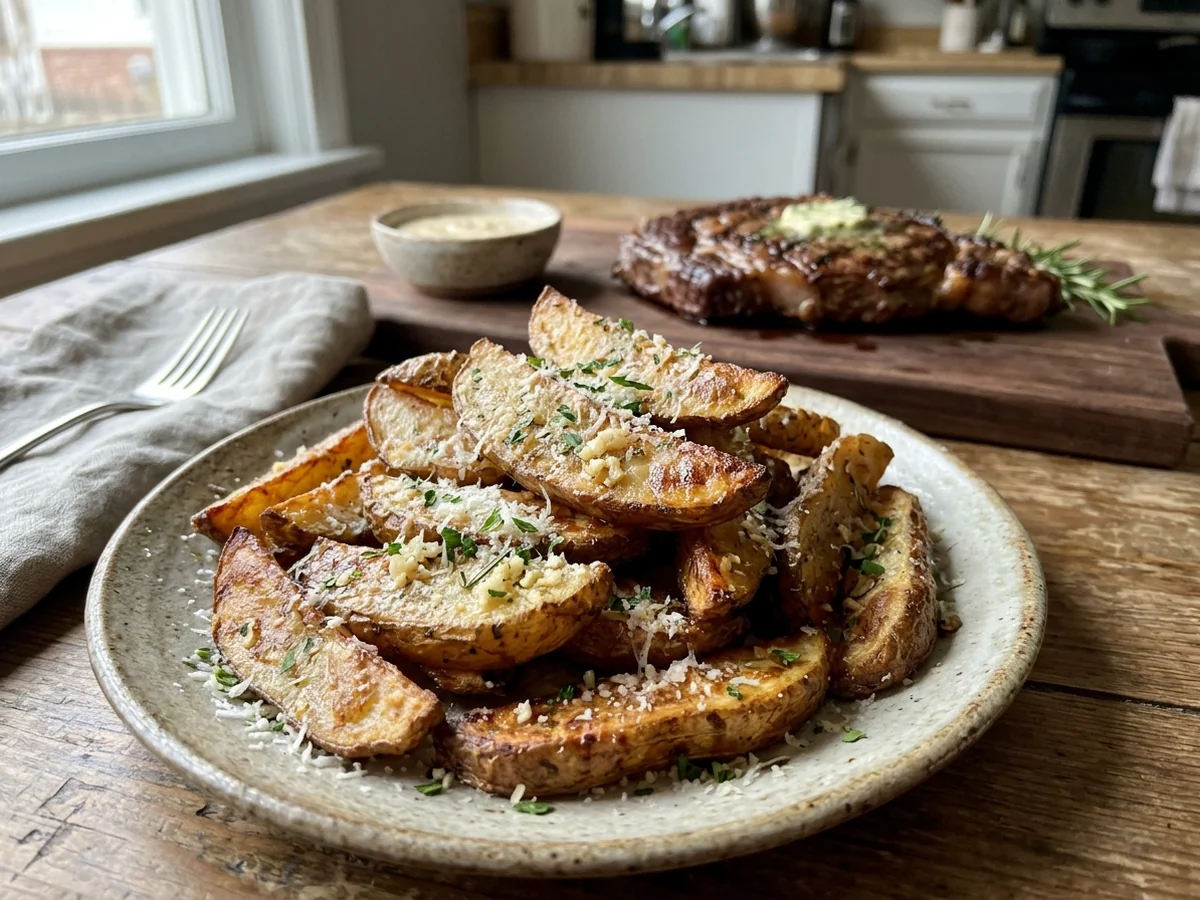
Crispy potato wedges paired with garlic and parmesan offer a reliable texture contrast that complements grilled beef. When planning accompaniments for a beef dinner, incorporating starch and crisp components balances the richness of the main course. Achieving the right crunch requires specific preparation methods for potatoes, onions, and bread crumbs.
Moisture Management for Potatoes
Potatoes need proper moisture management before cooking. Soaking cut tubers in cold water removes excess starch, which helps create a golden exterior. Drying them thoroughly with a towel ensures that oil adheres evenly during baking or frying, preventing the wedges from becoming soggy in the oven. Home cooks looking for simple accompaniments for grilled beef will find that this simple soaking step yields professional results without extra equipment.
Achieving Texture in Onions
Onions develop a crisp texture through high heat and careful slicing. Thin, uniform slices caramelize quickly when tossed in oil and spread in a single layer, preventing steaming. A common mistake is crowding the baking sheet, which traps moisture and softens the texture instead of browning the edges. Keeping pieces spaced apart allows proper air circulation during the cooking process.
Toasting Bread Crumbs Properly
Bread crumbs provide an extra layer of crunch when toasted properly. Tossing fine crumbs in melted butter or oil before baking ensures an even, golden finish without burning. Home cooks should monitor the baking process closely during the final minutes because garlic and bread crumbs can transition from golden to overly charred very quickly. Watching the oven closely at the end prevents ruined flavors and keeps the meal ready for serving.
Compound Herb Butter
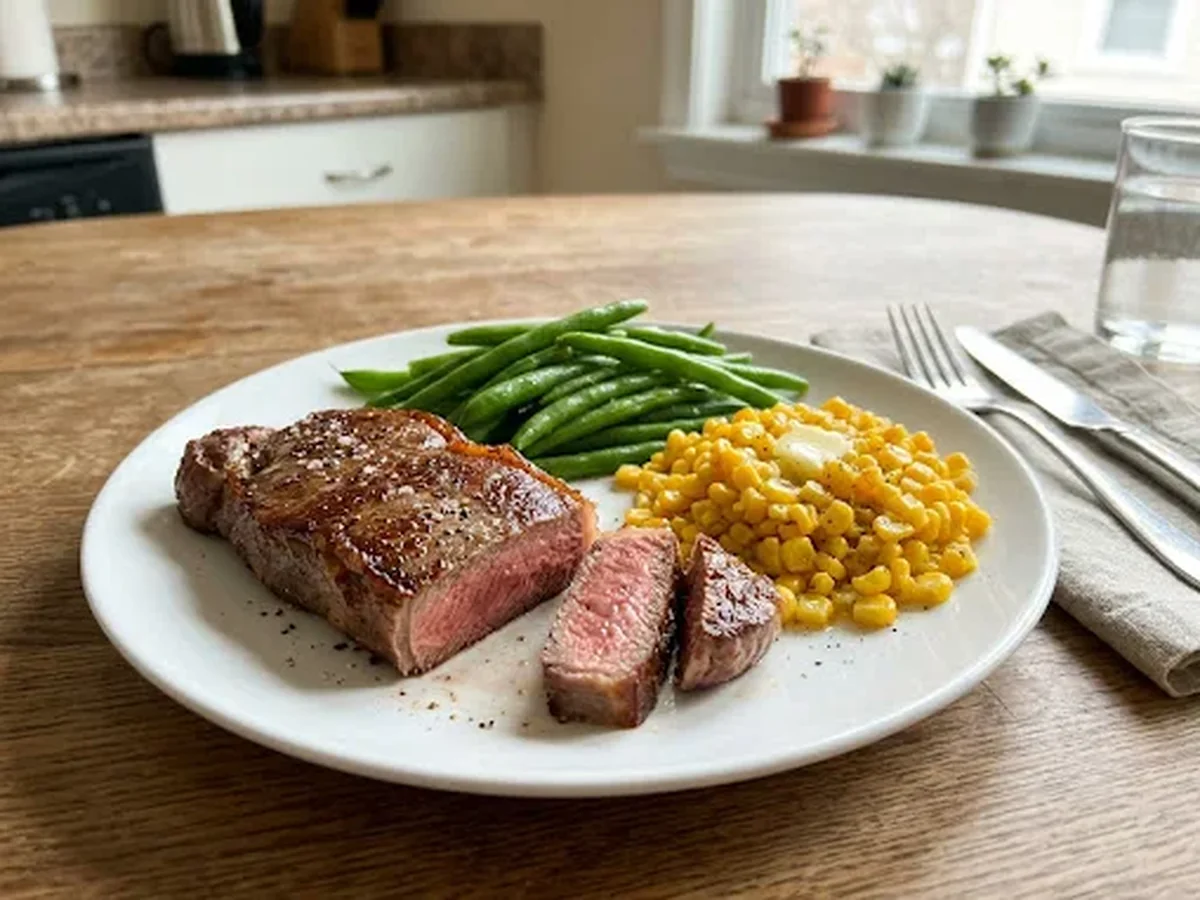
Compound herb butter melts over hot beef to create a rich finish that elevates your meal. Softened butter blends easily with chopped fresh herbs like parsley, thyme, and rosemary. This simple preparation adds an upscale touch to your dinner table, making it a favorite addition when planning romantic steak dinner sides for a special evening at home. Garlic, shallots, and cracked black pepper add savory depth to the mixture.
Technique and Preparation
Rolling the butter into a log makes it simple to slice into individual rounds before serving. When crafting this savory topping, a common mistake is using melted butter instead of softened butter, which prevents the herbs and seasonings from distributing evenly throughout the mixture. To achieve the best texture, always mix your herbs thoroughly into the softened dairy before shaping it into a log and chilling it in the refrigerator until firm.
Pairing With Steak Dinners
This savory topping works especially well with lean cuts that benefit from extra richness. It also pairs naturally with potato accompaniments, garden harvests, and various simple plates to complete the meal. Home cooks seeking a balance between rich flavors and wholesome cooking can find inspiration through guidance from health organizations like the American Heart Association or nutritional resources from the Harvard T.H. Chan School of Public Health when planning balanced meals. Culinary insights from professional sources such as the Food Network and the Michelin Guide often highlight how a simple pat of herb butter bridges the gap between basic home cooking and restaurant quality results.
FAQ
What are the best accompaniments for grilled beef?
The best choices depend on whether you prefer rich steakhouse classics or light preparations. Many home cooks pair beef with roasted vegetables, mashed potatoes, or crisp green salads to balance the rich flavors of the meat.
How do I choose simple pairings for busy weeknights?
Simple options that require minimal prep work save time in the kitchen. Quick stovetop greens or oven roasted potato wedges come together fast without sacrificing flavor.
What are some nutritious meal pairings for beef?
Nutritious pairings focus on fresh produce and whole grains. Steamed broccoli, roasted asparagus, or a vibrant quinoa salad add vitamins and fiber to your meal.
Which produce accompaniments work best in the oven?
Root vegetables and cruciferous greens caramelize beautifully at high roasting temperatures. Try Brussels sprouts, carrots, or sweet potato cubes tossed in olive oil, salt, and pepper.
How can I make upscale choices for an intimate evening at home?
Upscale accompaniments elevate a special evening meal with minimal extra effort. Consider serving rich garlic herb butter mushrooms alongside crisp haricots verts.
What are traditional southern accompaniments for steak?
Classic comfort food pairings bring hearty textures and deep flavors to the table. Creamy grits, fried green tomatoes, and seasoned black-eyed peas make wonderful additions to grilled beef.
Conclusion
Finding the right accompaniments for a beef dinner comes down to balancing richness with fresh textures, and the best way to choose is simply to experiment with different flavor combinations in your own kitchen. Mix earthy roasted vegetables with bright salads or crispy starches to see what suits your palate best. Your next meal offers the perfect opportunity to try a new pairing and elevate your cooking.
You might also like: Camping Meals: 25 Easy & Delicious Outdoor Cooking Ideas