
Side Dishes for Spaghetti: 15 Best Italian Bread & Salad Pairings
Introduction
The best side dishes for spaghetti balance the richness of the pasta with fresh textures and complementary Italian flavors. Choosing the right side dishes for spaghetti transforms a simple bowl of noodles into a complete, restaurant-quality meal at home.
This article explores a variety of ways to round out your dinner, focusing on both classic Italian bread pairings and refreshing vegetable options. You will find inspiration for healthy side dishes for spaghetti, including vibrant salads and simple vegetable sides for pasta that can be prepared in minutes. Whether you are looking for what to serve with spaghetti besides salad or seeking the perfect crisp baguette to soak up extra sauce, these suggestions help you create a well-rounded menu. We also offer tips on balancing your plate and choosing sides that highlight the specific flavors of your pasta sauce.
Balancing Your Pasta Meal
Creating a complete pasta dinner relies on balancing the heavy, carbohydrate-dense nature of noodles with lighter, contrasting elements. When you choose the right accompaniments, you elevate a simple bowl of pasta into a rounded dining experience that feels intentional and satisfying.
Pasta sauces often rely on slow-cooked tomatoes, cream, or rich meat bases. These intense flavors benefit from the addition of freshness and acidity to cleanse the palate between bites. By incorporating vegetables or crisp salads, you break up the monotony of soft textures and prevent the meal from feeling overly heavy.
Consider these elements to build a harmonious plate:
- Acidic dressings: A splash of balsamic vinegar of Modena or a squeeze of lemon juice in a salad mimics the brightness found in traditional tomato sauces.
- Textural contrast: Pairing soft spaghetti with crunchy elements, such as toasted bread or raw vegetables like fennel, adds necessary dimension.
- Flavor profiles: Fresh herbs like basil and parsley or a grating of sharp Parmigiano Reggiano cut through the richness of dairy or meat-based sauces.
Integrating simple vegetable sides for pasta is an effective way to introduce vitamins and fiber while maintaining the Italian spirit of the meal. A Caprese salad, which traditionally consists of tomatoes, fresh mozzarella, and basil, serves as a perfect example of how fresh, simple ingredients work to balance a hearty main course. If you find yourself in need of dressing alternatives, grape seed oil is an option to consider alongside the standard extra virgin olive oil.
Ultimately, the goal is to create a menu where each component serves a purpose. Whether you choose a classic Italian bread pairing to mop up remaining sauce or a bright, peppery arugula salad to contrast a creamy carbonara, focusing on the interplay of flavor and texture ensures every bite is balanced. Focusing on these culinary principles makes it easy to assemble a memorable meal that feels complete from start to finish.
Classic Italian Bread Pairings

Crusty bread serves as the perfect utensil for finishing a meal, allowing you to clean the plate of every last drop of flavorful sauce. Selecting the right loaf turns a standard dinner into a complete experience by adding texture and a satisfying crunch that complements the softness of the noodles. Whether you prefer something airy or something heavily seasoned, these options help round out a bowl of pasta.
Consider these varieties when you want to complete your dinner with a reliable and comforting addition:
- Focaccia provides a savory, herb-forward profile that stands up well to both light oil-based sauces and rich meat gravies.
- Garlic bread remains a simple, timeless choice that offers a pungent punch to balance the acidity of a tomato-based meal.
- Ciabatta is an excellent option for scooping up excess sauce due to its open, airy crumb structure and firm, rustic crust.
- Baguettes or artisan sourdough loaves offer a neutral base that lets the flavors of your main course take center stage.
- Balsamic bruschetta is a common Italian antipasto that can be served alongside your bread basket to introduce bright, tangy notes.
Focaccia is particularly celebrated for its dimpled surface, which is ideal for holding pools of high-quality extra virgin olive oil and sea salt. Because it is often baked with rosemary or other aromatic herbs, it adds an extra layer of complexity that pairs beautifully with the simple ingredients typically found in homemade pasta dishes. When choosing between these varieties, think about the intensity of your sauce. A robust meat sauce often benefits from the intense, buttery garlic flavor, while a delicate vegetable pasta might be better served by the lighter touch of rosemary-infused focaccia.
Fresh Salad Options

When planning side dishes for spaghetti, incorporating a crisp salad provides a necessary acidic contrast to the starch and richness of the noodles. Balancing a heavy meal with lighter ingredients creates a more satisfying dining experience. Whether you are serving a hearty meat sauce or a simple oil based preparation, the right greens can cleanse the palate between bites.
Traditional and Quick Salad Pairings
For a classic approach, consider the Caprese salad. According to Villanova University, the Caprese salad traditionally consists of tomatoes, fresh mozzarella, and basil. This simple combination relies on the quality of your ingredients, making it an excellent choice when heirloom tomatoes are in season. If you are crunched for time, a kale salad is a practical solution. It is commonly noted that a kale salad can be prepared in 10 minutes, making it one of the most efficient healthy side dishes for spaghetti on a busy weeknight.
Selecting the Right Dressing
The foundation of a great salad often comes down to the oil used in the vinaigrette. Extra virgin olive oil is a staple for its depth and rich flavor, but variety is helpful for different textures. For example, grape seed oil is an alternative to olive oil for some salad dressings. Because grape seed oil has a neutral profile, it allows the brightness of fresh herbs or a splash of balsamic vinegar of Modena to stand out without overpowering the vegetables. Consider the following guide for choosing your base:
| Ingredient | Best Use |
|---|---|
| Extra Virgin Olive Oil | Robust dressings for hearty greens like kale or arugula. |
| Grape Seed Oil | Light vinaigrettes where you want the herbs to shine. |
| Balsamic Vinegar | Enhancing the natural sweetness of tomatoes. |
When selecting your greens, remember that texture matters. Peppery arugula offers a sharp bite that pairs well with shaved Parmigiano Reggiano, while softer lettuces require a lighter hand with the dressing to prevent wilting. By focusing on fresh, acidic components, you can elevate your meal and round out your pasta dinner with ease.
Roasted Vegetable Side Dishes
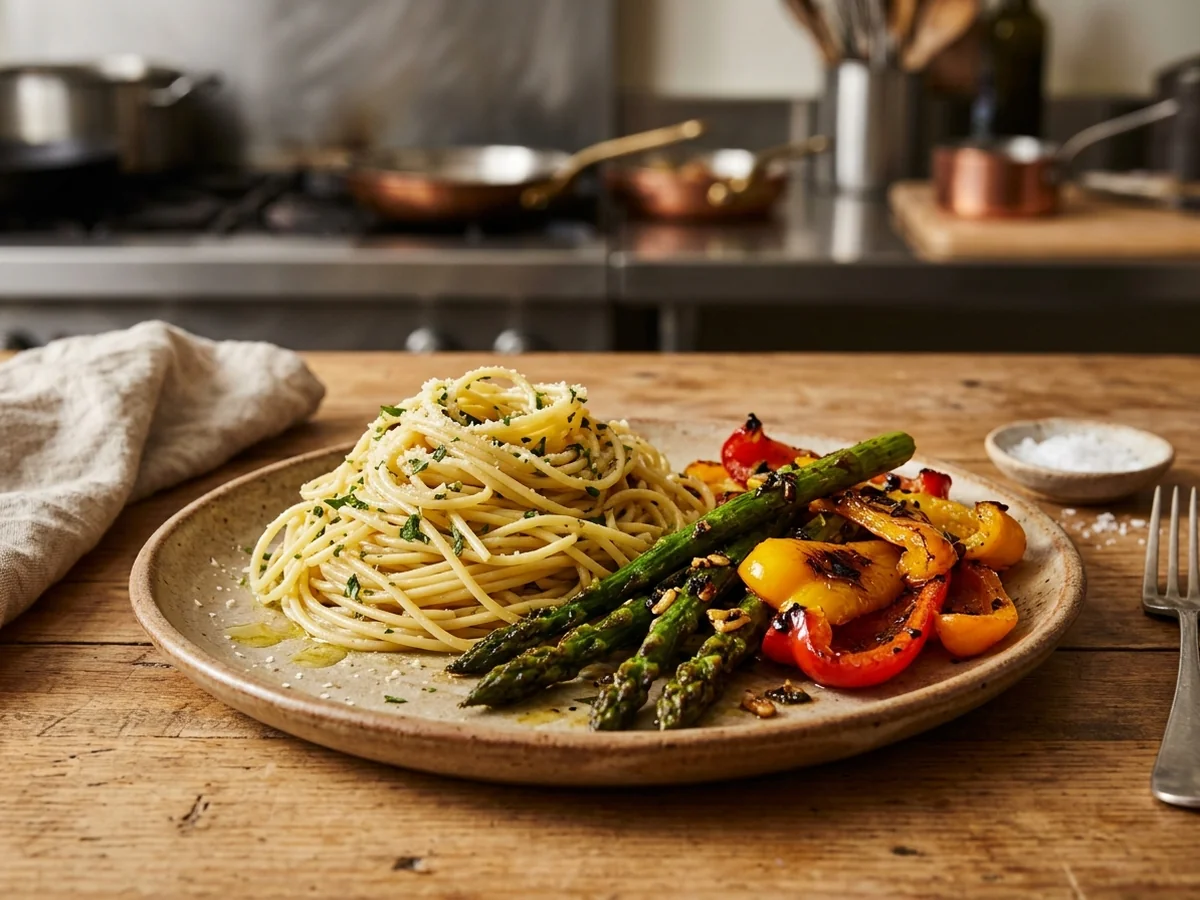
When selecting side dishes for spaghetti, roasted vegetables offer a caramelized depth that stands up well to both hearty meat sauces and lighter oil-based preparations. The roasting process concentrates natural sugars and provides a textural contrast to tender pasta, making them a staple for those seeking simple vegetable sides for pasta.
Peperonata is a widely recognized Sicilian meatless side dish typically made with bell peppers, onion, garlic, and herbs. Its flavor profile relies on the slow softening of these ingredients, which creates a jammy, concentrated sweetness. Because of this, it is an excellent choice to serve alongside a rich pasta dish, as the slight acidity of the peppers helps cut through the heaviness of a meat sauce. One of the primary benefits of this dish is its versatility. You can prepare it in advance and serve it warm or at room temperature, allowing you to focus your attention on the stove while the spaghetti cooks.
To achieve the best results when roasting vegetables for your dinner, keep these practical tips in mind:
- Uniform Cutting: Ensure your vegetables are cut into consistent sizes. This is the most common mistake made in home kitchens, as uneven pieces lead to some parts burning while others remain raw.
- Do Not Crowd the Pan: Spread your vegetables out in a single layer with enough space between them. If they are packed too tightly, they will steam in their own moisture rather than browning, which results in a mushy texture instead of a desirable roast.
- Temperature Control: Use a high heat setting, typically between 400 and 425 degrees Fahrenheit, to achieve a golden-brown exterior.
- Flavor Foundations: While traditional recipes often use extra virgin olive oil, you can experiment with fats like grape seed oil as an alternative for specific flavor profiles or higher smoke points.
- Strategic Seasoning: Always finish your roasted vegetables with fresh herbs or a touch of high-quality vinegar, such as Balsamic vinegar of Modena, just before serving to brighten the dish and add a necessary lift to the meal.
If you are looking for other ways to round out your plate, consider that a classic Italian antipasto like Balsamic bruschetta adds a crisp, acidic component, while a simple kale salad can be prepared in 10 minutes for a quick hit of greens. By balancing the soft, comforting nature of pasta with the charred, crisp elements of roasted vegetables, you can create a more cohesive and professional dining experience at home.
Garlic Herb Butter Sides

Garlic herb butter enhances the savory profile of your meal, working well as a rich complement to simple pasta dishes or as a finishing touch for roasted vegetables. When serving oil-based pastas, consider pairing them with roasted vegetables like asparagus or zucchini, which benefit from the aromatic infusion of garlic and fresh herbs.
- Roasted asparagus spears tossed in garlic butter offer a tender, earthy bite that balances the silkiness of an oil-based noodle dish.
- Sautéed zucchini rounds cooked with minced garlic and parsley provide a light, fresh alternative that avoids heavy ingredients.
- Crusty focaccia brushed with a blend of melted butter, crushed garlic, and rosemary is a popular way to enjoy bread with Italian meals, perfect for soaking up extra sauce.
- Balsamic bruschetta is a common Italian antipasto that uses the acidity of Balsamic vinegar of Modena to cut through the richness of garlic-heavy accompaniments.
- Crisp arugula salads tossed with a light vinaigrette provide a sharp contrast to the density of heavy meat sauces.
- Shaved fennel salad acts as a cooling, crunchy palate cleanser when served alongside robust, slow-cooked pasta dishes.
To brighten your plate further, remember that the acidity from Balsamic vinegar of Modena helps lift the flavors of roasted vegetables or leafy greens. If you are preparing easy sides for spaghetti with meat sauce, focus on ingredients that cut through the fat, such as bitter greens or thinly sliced raw vegetables. Using quality fats like extra virgin olive oil or even grape seed oil as an alternative to olive oil for some salad dressings ensures your accompaniments remain light and flavorful. These combinations help create a well-rounded dining experience by balancing heavy, savory components with bright, acidic elements that cleanse the palate between bites.
Creative Vegetable Preparations
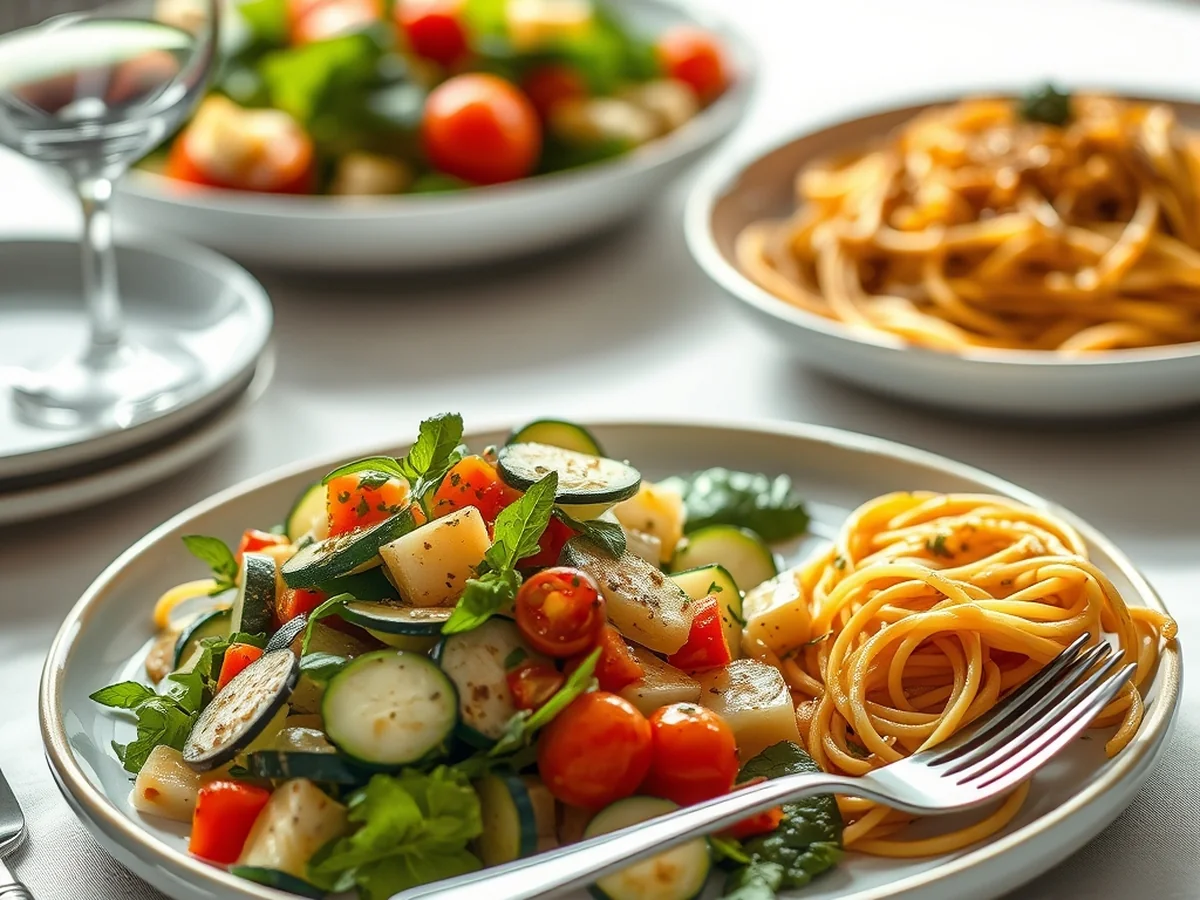
Elevate your dinner by incorporating unexpected textures and vibrant flavors that cut through the richness of pasta. Moving beyond standard greens allows you to experiment with seasonal produce that brings a sophisticated flair to the table.
A zucchini panzanella serves as a refreshing alternative to traditional bread salads. By grilling or lightly sautéing zucchini ribbons, you add a tender, smoky quality that pairs beautifully with crusty bread cubes, fresh herbs, and a splash of high-quality vinegar. This preparation provides a hearty yet light profile that complements a variety of tomato-based sauces.
For a visually stunning option, consider a roasted beet salad. Earthy, oven-roasted beets offer a deep sweetness that balances the savory notes of a classic meat sauce. You can toss them with arugula for a peppery contrast, ensuring the dish feels intentional and refined.
Fried stuffed squash blossoms are an exceptional choice for special occasions. These delicate flowers are typically filled with a creamy cheese mixture and lightly fried until crispy, making them an indulgent vegetable-forward treat. Their crisp, golden exterior creates an elegant contrast when served alongside a bowl of steaming noodles.
If you prefer a unique interplay of flavors, try a honeydew and prosciutto salad. The natural sweetness of the melon pairs perfectly with the salty, cured depth of prosciutto, creating a refreshing palate cleanser. This unexpected combination offers a bright, sophisticated experience that works well with oil-based or lighter herb sauces.
To keep your vegetable accompaniments simple and satisfying, you can rely on these versatile techniques:
- Use grape seed oil as an alternative to olive oil for lighter salad dressings.
- Combine bell peppers, onions, garlic, and herbs to create a traditional Sicilian peperonata.
- Assemble a classic Caprese salad using only tomatoes, fresh mozzarella, and basil for a timeless finish.
Low-Calorie Vegetable Sides

Choosing fresh, nutrient-dense vegetables balances a hearty pasta meal without overwhelming your plate. When selecting healthy side dishes for spaghetti, prioritize preparation methods that highlight natural textures while keeping calorie counts in check. Fresh produce not only provides a refreshing contrast to rich sauces but also adds essential fiber, helping you feel satisfied while maintaining a lighter overall meal profile.
Balancing Flavor and Texture
The key to successful vegetable accompaniments for pasta lies in contrasting the soft, carbohydrate-heavy nature of noodles with crisp or acidic elements. A classic Caprese salad, which traditionally consists of tomatoes, fresh mozzarella, and basil, offers a bright, cooling counterpoint to heavy meat sauces. If you prefer cooked options, peperonata is often prepared as a Sicilian meatless side dish featuring bell peppers, onion, garlic, and herbs. Its natural sweetness complements the savory notes found in most tomato-based pasta dishes.
To keep the meal light, focus on raw or lightly steamed vegetables dressed simply. Using lemon juice or vinegar as a base for dressings reduces the need for heavy, calorie-dense oils. If you are crafting your own dressings, grape seed oil is a functional alternative to olive oil for those looking to vary their intake of healthy fats. When serving more indulgent items like focaccia, keep portions modest to ensure the focus remains on your fiber-rich vegetable selections.
Quick and Nutritious Additions
Adding plant-based proteins or extra fiber to your side dishes makes them more substantial. Incorporating beans or chickpeas into a salad provides a satisfying bite, while leafy greens like arugula or kale offer significant volume for very few calories. Preparing a kale salad is a common practice that can be finished in about 10 minutes, creating a robust base that pairs well with acidic dressings. Similarly, balsamic bruschetta is often enjoyed as a classic Italian antipasto that adds a necessary crunch without the weight of cheese-laden sides.
| Vegetable Side | Best Pairing Profile | Preparation Tip |
|---|---|---|
| Shaved Fennel Salad | Oil-based pasta sauces | Use a mandoline for thin, crisp slices. |
| Roasted Beet Salad | Hearty meat sauces | Roast until tender to bring out natural sugars. |
| Zucchini Panzanella | Light tomato or herb sauces | Lightly grill the zucchini to add a smoky depth. |
By prioritizing these plant-forward options, you create a well-rounded dining experience. This approach ensures your meal feels complete rather than weighed down, allowing the flavors of the main dish to shine through alongside your fresh, carefully chosen sides.
Easy Appetizer Pairings
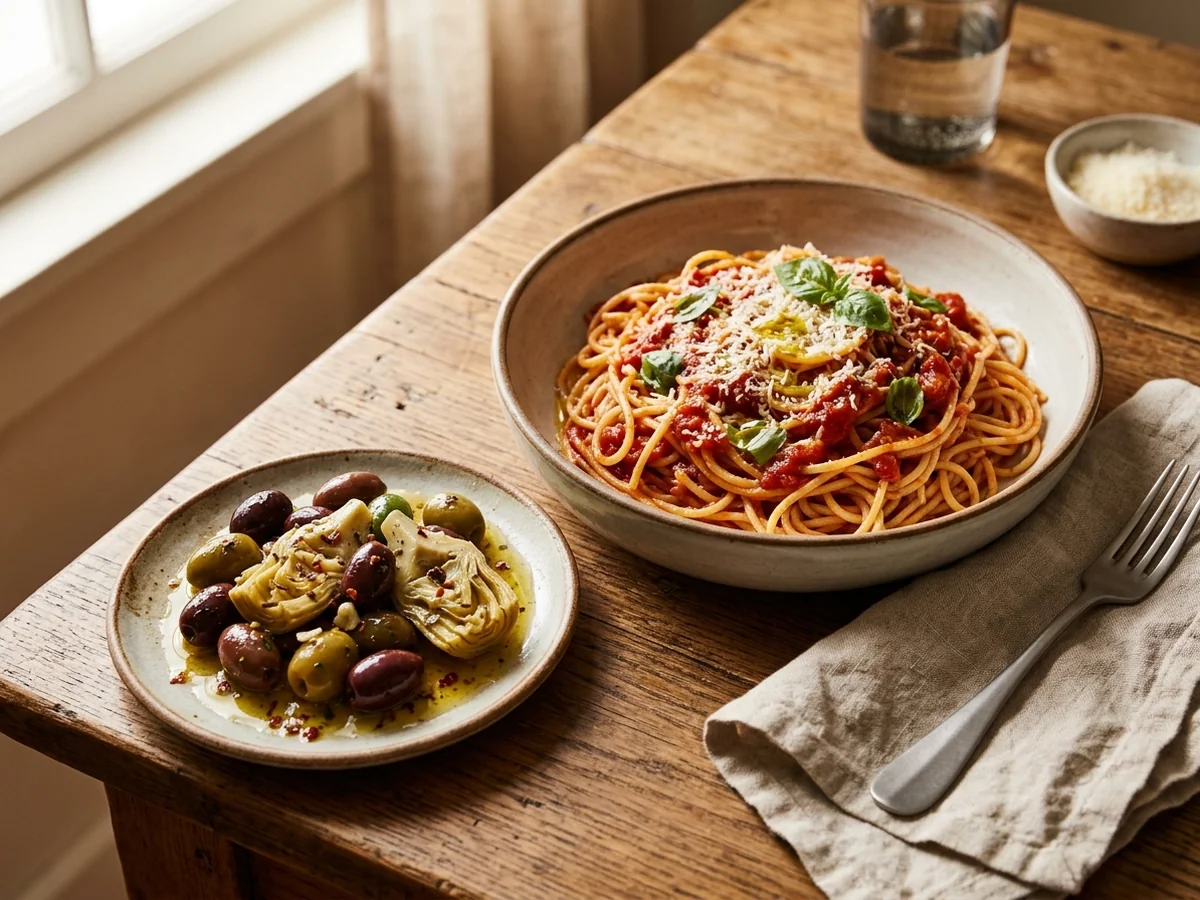
When you are planning a meal, the best side dishes for spaghetti serve as a foil to the richness of the noodles and sauce. A common mistake is pairing pasta with heavy, starch-heavy sides. If you serve a hearty plate of spaghetti, adding potatoes or extra bread can make the meal feel dense and monotonous. Instead, look for contrast in texture and acidity to brighten your palate.
Balancing Flavors and Textures
Texture is the secret to a professional-feeling dinner. Because spaghetti is soft, you want to introduce a crunch or a crisp, refreshing bite. If your pasta is coated in a heavy meat sauce, opt for light vegetable preparations that feature raw or lightly cooked produce. This prevents the meal from feeling one-dimensional. When selecting your ingredients, consider the intensity of the pasta sauce. If you are using a bold garlic or cream base, keep your sides clean and vibrant rather than adding more heavy elements that might compete with the main dish.
Classic and Refreshing Pairings
If you are looking for what to serve with spaghetti besides salad, focus on Italian-inspired vegetables that offer distinct flavor profiles. These options provide a nice break from the starch of the main course:
- Caprese salad: Traditionally consisting of tomatoes, fresh mozzarella, and basil, this is a perfect choice when you need a bright, cooling contrast to a savory sauce.
- Balsamic bruschetta: Often considered a classic Italian antipasto, this provides a satisfying crunch that works well as a starter.
- Peperonata: This is a common Sicilian meatless side dish made with bell peppers, onion, garlic, and herbs that offers a vibrant vegetable component.
- Kale salad: You can typically prepare a fresh kale salad in about 10 minutes, making it a fast way to add a crisp, leafy texture to your table.
Customizing Your Dressings
When preparing sides, your choice of fat is just as important as the produce itself. While extra virgin olive oil is a staple in Italian cooking, you might find that the flavor is too strong for certain delicate vegetable salads. In these cases, grape seed oil is an alternative to olive oil for some salad dressings, providing a neutral base that allows the freshness of your vegetables to shine through. By focusing on these small adjustments, you can create a menu that feels balanced and thoughtful, ensuring that your side dishes for spaghetti enhance the dining experience rather than distracting from the main event.
FAQ
What vegetables pair well with spaghetti?
Roasted or sautéed vegetables like broccoli, asparagus, and zucchini provide a fresh contrast to hearty pasta dishes. Peperonata is commonly prepared as a Sicilian meatless option using bell peppers, onion, garlic, and herbs, offering an excellent way to add color and texture to your meal.
How can I add protein to a vegetable side dish?
You can boost the protein content of your vegetables by incorporating ingredients like chickpeas, beans, or nuts into your salads. A Caprese salad, which traditionally consists of tomatoes, fresh mozzarella, and basil, offers a substantial protein element that pairs beautifully with most pasta sauces.
What are some quick Italian-style side dishes?
Balsamic bruschetta is a classic Italian antipasto that comes together quickly for a flavorful start to your dinner. If you want a light vegetable option, a kale salad can typically be prepared in 10 minutes, making it one of the most efficient nutritious accompaniments when you are short on time.
Are there salad options that go beyond simple greens?
Shaved fennel, roasted beet, or fruit-based salads like honeydew and prosciutto offer sophisticated flavors that elevate a standard pasta night. Using high-quality fats for your vinaigrettes makes a difference, and grape seed oil is a verified alternative to olive oil for some salad dressings if you prefer a neutral base.
What should I serve with spaghetti if I want to skip salad?
When looking for what to serve with spaghetti besides salad, focus on Italian bread favorites like focaccia or crusty loaves rubbed with fresh garlic. Vegetable-forward dishes such as zucchini panzanella or roasted squash allow you to enjoy seasonal produce while maintaining a balanced plate.
Conclusion
The best way to choose between these options is to consider the weight of your main course. If you are serving a hearty meat sauce, look for acidic or crisp vegetable sides to cut through the richness. When your pasta features a lighter oil or herb-based sauce, a warm loaf of crusty bread or a creamy salad often provides the perfect balance. Selecting the right accompaniments for your pasta meal ultimately depends on the specific ingredients in your sauce and the time you have available for preparation. Try matching a quick ten-minute kale salad with a busy weeknight meal or reserving more elaborate vegetable preparations for a relaxed Sunday dinner.
Sources: homepage.villanova.edu, chhs.colostate.edu
You might also like: Spring Dinner Ideas: 30 Fresh & Light Recipes for the Season