Camping Meals: 25 Easy & Delicious Outdoor Cooking Ideas
Introduction
You can prepare delicious camping meals by focusing on simple ingredients and efficient cooking methods that minimize time spent over the fire. These options help you enjoy hearty comfort food without the hassle of a complicated kitchen setup.
This guide features a variety of practical ideas, including easy camping meals that utilize pre-chopped vegetables and proteins to save you time at the site. You will learn how to use common techniques like foil packets for minimal cleanup and discover how to incorporate prepared ingredients to streamline your trip. Whether you are looking for satisfying breakfast ideas or hearty dinners, this collection provides versatile recipes designed to make your outdoor dining experience both manageable and enjoyable. We also cover essential tips for meal preparation and smart planning to ensure your food stays delicious throughout your entire excursion.
Elevating the Outdoor Cooking Experience
Cooking outdoors transforms a simple meal into one of the most memorable parts of a trip. The open air and crackling fire create an environment where even modest dishes taste better than they do at home. Whether you are boiling water for morning coffee or searing a steak over hot coals, the process of preparing food in nature connects you more deeply to your surroundings.
You do not need to sacrifice your favorite flavors just because you are away from a fully equipped kitchen. Focusing on comfort food allows you to enjoy hearty, satisfying dishes that feel like a treat after a long day of hiking or exploring. These camping meals should center on accessible ingredients and straightforward techniques, ensuring you spend less time hovering over a stove and more time relaxing by the fire.
Achieving a balance between culinary ambition and camp logistics is the secret to success. Successful outdoor cooking relies on minimizing complexity to match the limited resources of a campsite. By focusing on preparation before you leave home, you can keep the cooking process manageable:
- Chop vegetables and proteins at home to reduce the amount of work required once you arrive at your destination.
- Consider using common methods like foil packets, which are widely recognized for allowing you to cook a complete meal with zero dishes to wash afterward.
- Prepare items like pulled pork ahead of time in an Instant Pot and store them in your cooler for a quick, stress-free dinner option.
- Simplify your dessert preparation by using granola as a convenient topping for a warm campfire apple crisp.
Maintaining this balance means respecting the realities of your environment. Effective planning accounts for the space in your food cooler and the fuel capacity of your portable stove. When you choose recipes that prioritize efficiency, you avoid the stress of complex cleanup and food storage issues. Focusing on these practical habits ensures that your time spent cooking remains an enjoyable part of your adventure rather than a chore.
Meal Prep for Camping

Prepping ingredients before you leave home is the most effective way to streamline your outdoor cooking experience. According to Colorado State University, chopping vegetables and proteins at home is a smart strategy to reduce the time you spend on preparation once you reach the campsite. By handling knife work in your own kitchen, you eliminate the need to pack bulky cutting boards and extra cleaning supplies, allowing you to focus on enjoying your surroundings rather than scrubbing produce in the dirt.
Strategies for Efficient Cooking
Many campers find that focusing on make ahead camping meals significantly lowers stress. For instance, pulled pork can be prepared in an Instant Pot at home and stored in a cooler for camping trips. This method ensures that your primary protein is already cooked, requiring only a quick reheat over a portable camping stove or campfire. When planning your menu, consider focusing on recipes that utilize a cast iron skillet or a Dutch oven, as these tools are highly versatile for consistent heat distribution.
Foil packet camping recipes are another popular choice for those who want to simplify their setup. These packets allow for cooking with zero dishes at the campsite, as you can prepare the ingredients at home, wrap them tightly, and toss them directly onto hot coals. Remember that when assembling these meals, granola can be used as a topping for campfire apple crisp to simplify preparation, providing a crunchy texture without the need for complex baking ingredients or mixing bowls.
Safety and Storage Considerations
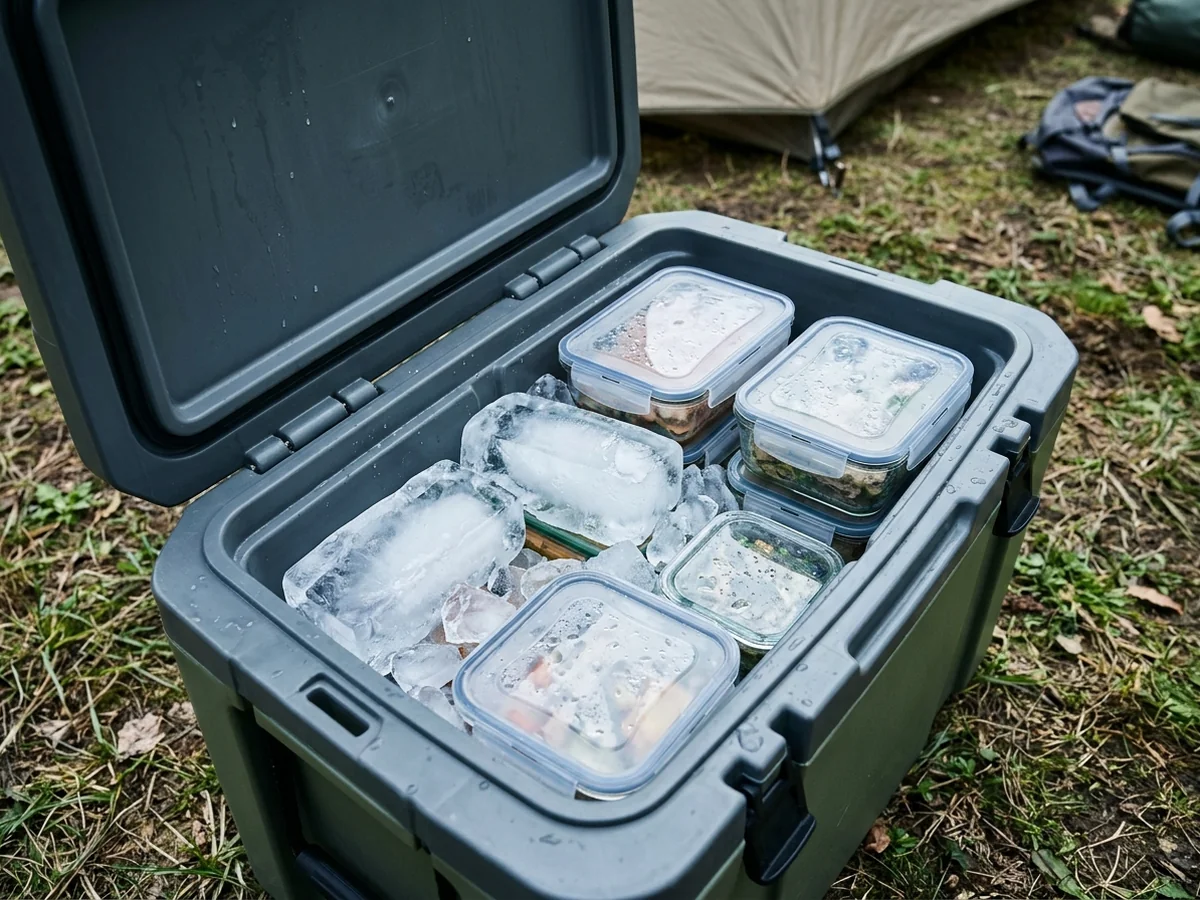
When you rely on pre-prepped ingredients, maintaining cold chain integrity is vital. The USDA Food Safety and Inspection Service emphasizes the importance of keeping cold foods at or below 40 degrees Fahrenheit. Always use a high quality food cooler and pack your items with plenty of ice or frozen gel packs to ensure your meat and dairy remain safe to eat.
Avoid the common mistake of overcrowding your cooler, which can restrict airflow and prevent items from staying cold. If you are camping in areas with wildlife, the National Park Service highlights that proper food storage is essential. Always check local regulations regarding bear resistant containers or vehicle storage requirements to keep your campsite secure.
This organized approach minimizes the amount of gear you need to bring, leaving more room in your vehicle for other essentials. Bringing pre-chopped items also helps you keep your cooking area clean, which is a key component of practicing Leave No Trace principles. When everything is already sliced, diced, and ready to go, you can move straight to the fun part of cooking over an open fire without the stress of extensive prep work. Whether you are planning easy camping meals for a weekend getaway or a longer excursion, the secret lies in doing the heavy lifting before you ever leave your kitchen.
Essential Camping Cooking Gear
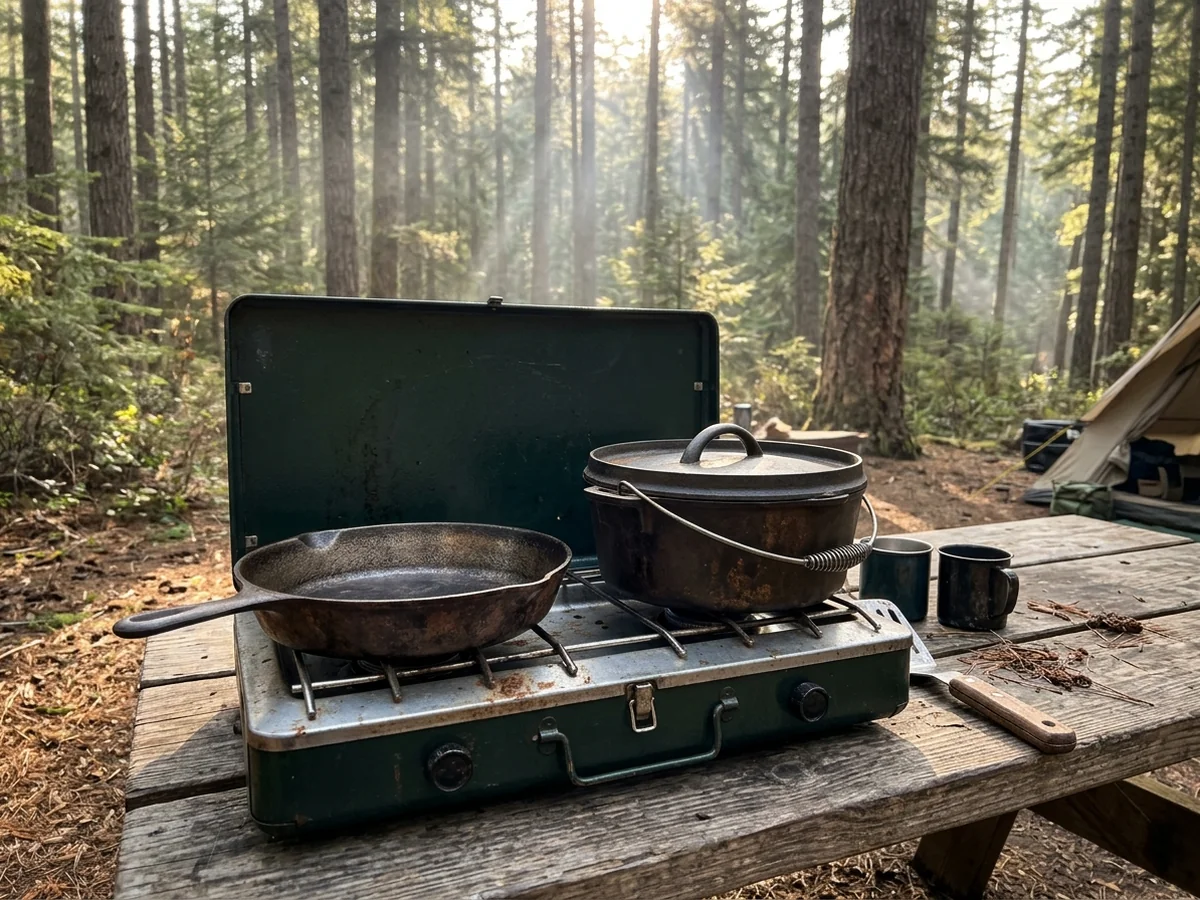
Choosing the right equipment determines how efficiently you can prepare camping meals while managing limited resources in the outdoors. A cast iron skillet excels at searing and quick frying, while a Dutch oven provides the consistent, enclosed heat necessary for baking or slow-cooking stews.
When building your kit, prioritize durability and versatility to ensure your gear handles the rigors of the campsite.
| Equipment | Best Use | Heat Distribution |
|---|---|---|
| Cast Iron Skillet | Searing, frying, sautéing | Fast and direct |
| Dutch Oven | Baking, stewing, roasting | Slow and even |
| Portable Stove | Boiling, simmering, frying | Adjustable |
Optimizing Your Cooking Setup
Portable camping stoves offer precise heat control, allowing you to simmer delicate sauces or bring water to a rapid boil. To optimize fuel efficiency, use a windscreen to shield the flame and always match the pot size to the burner diameter. This reduces heat loss and helps your fuel canisters last significantly longer throughout your trip.
Always remember that managing your flame is the first step in effective camping food safety, as consistent temperatures ensure your meals are cooked thoroughly.
Streamlining Meal Preparation
Focusing on one pot camping meals is an effective strategy for minimizing the number of dishes you need to wash at a remote site. By combining proteins and vegetables in a single vessel, you simplify your cleanup process while retaining the flavors of your ingredients.
To further streamline your time at the stove, Colorado State University Extension notes that chopping your vegetables and proteins at home before you leave is a practical way to reduce campsite preparation time. This prep work ensures you spend less time on tedious tasks and more time enjoying your surroundings.
Creative Cleanup and Dessert Hacks
Many campers adopt foil packets as a common practice to achieve virtually zero cleanup, as these can be tossed directly onto hot coals. Similarly, it is a typical practice to prepare items like pulled pork in an Instant Pot at home, storing the chilled meat in a food cooler until you are ready to reheat it over your camp stove.
When it comes to sweets, you can simplify your prep by using granola as a topping for campfire apple crisp, a technique verified by Washington State University to make desserts easier in the wild. Regardless of your menu, always adhere to Leave No Trace principles by properly disposing of all food scraps and packaging to keep your campsite clean and wildlife away.
Safe Camping Food Storage

Keeping your ingredients at proper temperatures is the most effective way to practice camping food safety. According to the USDA Food Safety and Inspection Service, you should keep your portable cooler packed with plenty of ice or gel packs to maintain a temperature of 40 degrees Fahrenheit or below. It is helpful to keep the cooler in the shade and limit how often you open the lid to ensure the cold air stays trapped inside.
Streamlining Prep and Safety
To reduce the time spent handling raw items in the wild, you can prepare many components before you leave home. As noted by the Kendall Reagan Nutrition Center at Colorado State University, vegetables and proteins can be chopped at home to reduce campsite preparation time. By prepping ingredients in a controlled kitchen environment, you minimize the risk of cross-contamination and simplify your outdoor workflow. Making ahead camping meals, such as pulled pork prepared in an Instant Pot at home and stored in a cooler, is a common practice that allows for quick, safe reheating once you reach your destination.
Temperature Control and Equipment
You should always use a meat thermometer to confirm that your proteins reach a safe internal temperature before eating. Since visual cues like color are not reliable indicators of doneness, a thermometer provides the only accurate way to avoid undercooked food. This simple tool is an essential part of your outdoor kitchen gear for protecting yourself and your group from foodborne illness. When cooking, utilizing methods like foil packet camping recipes is a common practice that allows for cooking with zero dishes at the campsite, further reducing the need to wash heavy cookware in shared water sources.
Wildlife and Sanitation
Proper storage also requires protecting your supplies from local wildlife. The National Park Service recommends storing all food, trash, and scented items in bear-resistant containers or lockers when available. If your specific location lacks these facilities, keep your items inside a hard-sided vehicle with the windows rolled up, unless park guidelines suggest otherwise for your area. Taking these precautions helps keep both your group and the local animals safe throughout your trip.
- Freeze water bottles ahead of time to use as ice packs that double as drinking water once they thaw.
- Pack your cooler in the order you plan to use items so you spend less time digging through the ice.
- Store raw meat at the very bottom of the cooler to prevent juices from dripping onto other food.
- Use granola as a topping for campfire apple crisp to simplify dessert preparation without compromising on flavor.
- Keep your cooking area clean by sanitizing surfaces and disposing of waste properly to minimize your environmental impact.
Easy Breakfast and Dinner Ideas

You can streamline your morning routine by preparing dry ingredients in advance or using a portable stove for quick, satisfying meals. When it comes to dinner, choosing recipes that prioritize comfort and simplicity keeps the focus on enjoying your time outdoors rather than managing a messy cleanup.
Planning ahead is the best strategy for stress-free camping meals. According to research from Colorado State University, you should chop your vegetables and proteins at home before heading out to significantly reduce your preparation time once you reach the campsite. This simple step ensures that you spend less time working and more time relaxing.
Common camping practices include using foil packet camping recipes, which are popular because they allow for cooking with zero dishes. You can easily adapt these by layering your favorite proteins and seasonal vegetables inside heavy-duty foil before placing them directly over hot coals. Once your dinner is finished, you simply discard the foil packaging.
When you crave hearty comfort food after a long hike, consider these versatile options for your menu:
- Quick stovetop oats are perfect camping breakfast ideas because they require only water and minimal equipment to prepare.
- You can create a hearty meal by bringing pre-cooked pulled pork, which is typically prepared in an Instant Pot at home and kept chilled in a food cooler.
- Hearty one-pot dishes like stews or pasta allow you to feed a group while minimizing the number of pots you need to scrub.
- For a sweet finish to your evening, campfire apple crisp is a simple treat that uses granola as a topping to streamline the preparation process, as confirmed by Washington State University.
Focusing on these efficient cooking techniques helps maintain a clean camp and ensures that your food remains delicious throughout your trip. By utilizing pre-measured dry goods and pre-chopped ingredients, you turn potentially complicated cooking tasks into effortless outdoor experiences. Always remember to store your items properly to keep them at safe temperatures until you are ready to cook.
Simple Campfire Desserts
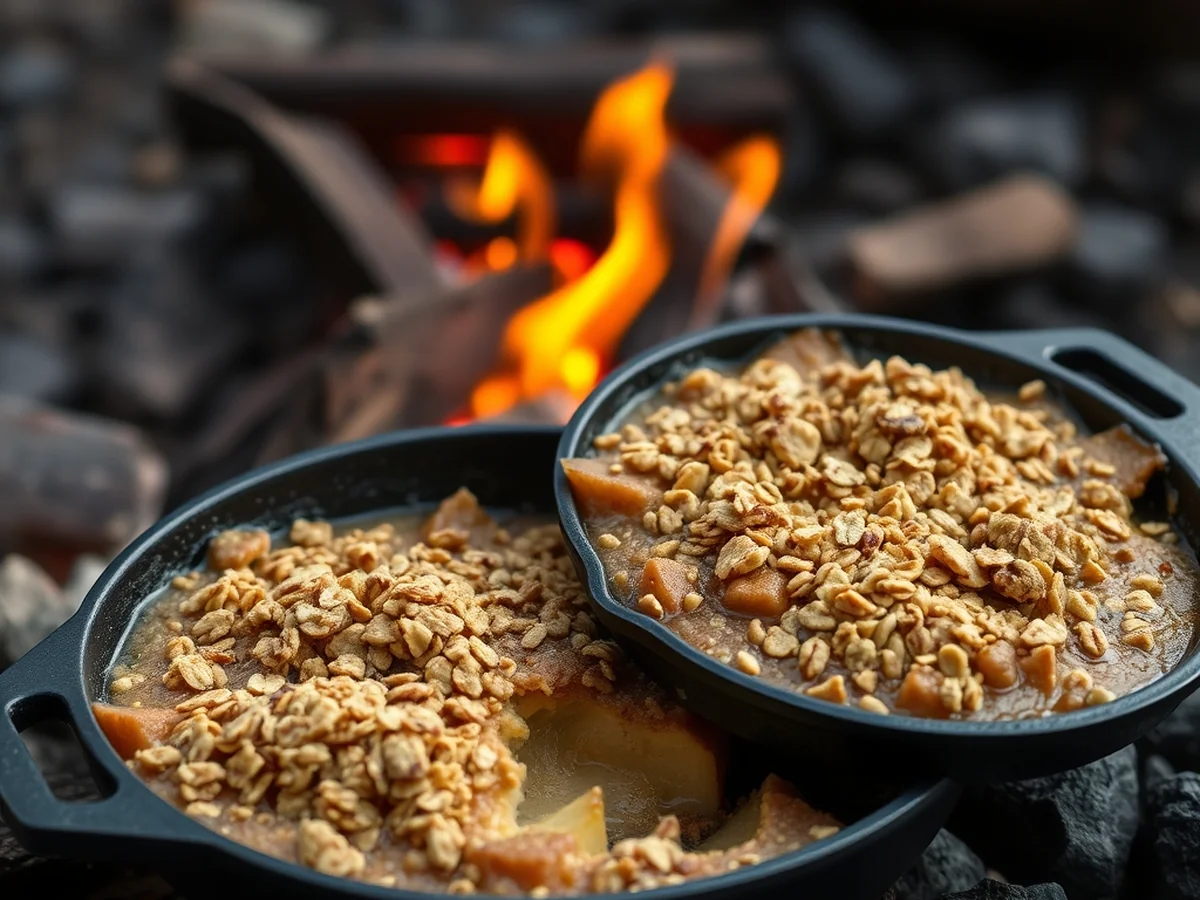
Creating satisfying sweets over an open flame does not require a complex kitchen setup. By focusing on pre-assembled ingredients and efficient cooking methods, you can enjoy bakery-style treats while minimizing your time spent cleaning up. Many campers find that the secret to a successful dessert is preparation before leaving home, which keeps your focus on the campfire experience rather than tedious food assembly.
Streamlining Dessert Preparation
One of the most effective ways to simplify your outdoor menu is by utilizing pre-made components. According to research from Washington State University, using granola as a topping for campfire apple crisp is a practical way to streamline your preparation process. This method removes the need to pack and mix separate dry ingredients like flour, sugar, and oats, allowing you to assemble your dessert quickly at the site.
Foil packets are also a popular choice for those looking to manage dessert preparation with virtually zero cleanup. You can easily prepare fruit-based treats, such as sliced peaches seasoned with cinnamon and brown sugar, before your trip. Simply wrap the fruit in heavy-duty foil and place the packet near the edge of your coals. This approach not only keeps your gear light but also ensures you have a warm, comfort-focused dessert ready with minimal effort.
Mastering Heat Control
For results that mimic your kitchen oven, a cast iron skillet or a Dutch oven is an essential tool. These heavy vessels are excellent at distributing heat evenly, which is necessary for achieving a golden crust on cobblers or ensuring cakes rise properly. When utilizing a Dutch oven, placing hot coals on both the bottom and the lid creates a convection effect that helps cook the dessert from all sides.
Achieving a professional finish requires consistent temperature management. You can control the heat by rotating your pot occasionally or adjusting the number of coals placed underneath. Because fire conditions can vary significantly, keep a close watch on your dessert to avoid burning the edges before the center has fully set. Controlling the intensity of your heat source is the most reliable way to ensure your outdoor baked goods remain tender.
While dessert is often the highlight of the meal, remember that overall camping food safety remains a priority throughout your trip. As recommended by the USDA Food Safety and Inspection Service, ensure all perishable ingredients are stored properly in a food cooler at safe temperatures until you are ready to cook. Following these habits helps protect your health and allows you to enjoy your easy camping meals with peace of mind, whether you are in a remote backcountry site or a developed campground.
Eco-Friendly Camping Cleanup
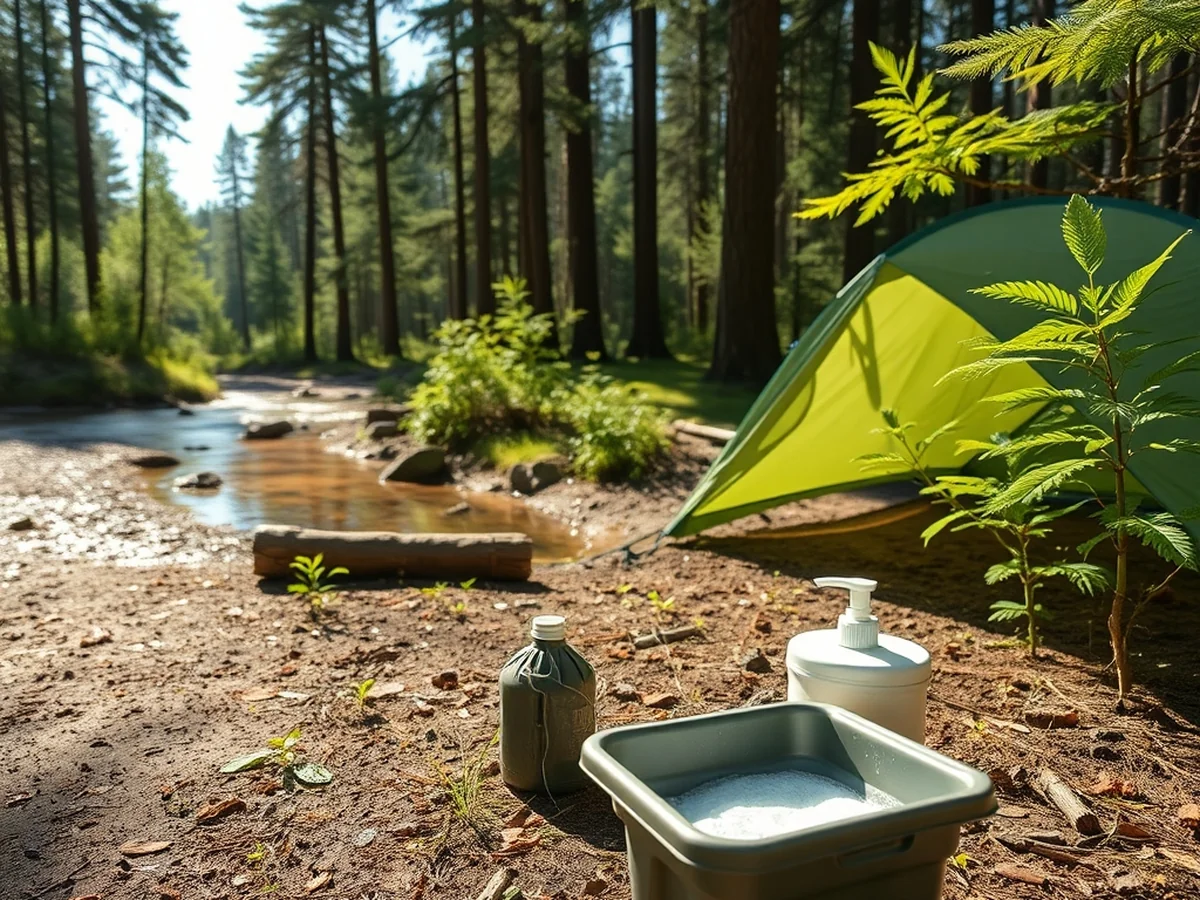
Adopting Leave No Trace principles is the best way to keep your campsite pristine while simplifying your routine. Efficient cleanup starts long before you reach the trail, as smart preparation significantly reduces the waste you need to manage in the outdoors. By focusing on intentional packing, you spend less time scrubbing pots and more time enjoying your trip.
Streamlining Your Meal Prep
You can drastically cut down on campsite waste by handling the heavy lifting at home. As suggested by the Colorado State University Kendall Reagan Nutrition Center, chopping vegetables and proteins before you depart reduces both the mess and the amount of packaging you need to transport. Repackage dry goods into reusable silicone bags to avoid bulky cardboard boxes. When planning meals for the trip, common practice includes preparing items like pulled pork in an Instant Pot at home and storing the meat in your food cooler. This method allows you to heat a hearty dinner quickly without creating excess scrap waste on-site.
Waste Management and Food Safety
The National Park Service emphasizes that all food scraps should be packed out, not buried or scattered. Even items that seem harmless, like fruit peels, can attract wildlife and persist for a long time. Keep a dedicated, sealable bag for all food waste to ensure your site stays clean and bear-safe. Regarding cooking techniques, meals cooked directly in aluminum foil are often used to prepare and serve food with zero dishes. For dessert, using granola as a topping for campfire apple crisp is a simple way to add texture while minimizing the need for extra bowls or specialized cooking equipment.
Managing Greywater Responsibly
Handling dishwater requires as much care as managing solid trash. To keep local ecosystems healthy, follow these steps:
- Scrape all food remnants into your trash bag before washing any cookware.
- Use a small, portable basin for washing and rinsing rather than cleaning directly in a stream or lake.
- Strain your dishwater through a fine-mesh screen to catch remaining food particles, which must be packed out with your trash.
- Dispose of the remaining strained greywater by scattering it over a wide area at least 200 feet away from any water sources.
When you prepare your ingredients in advance and use simple cooking techniques, you spend less time managing waste and more time relaxing. Following these habits protects the environment, ensures your cooking gear stays organized, and keeps your campsite experience consistent with responsible outdoor stewardship. By prioritizing these small, manageable steps, you turn cleanup into a quick, routine part of your outdoor cooking process.
FAQ
What are the best prep strategies for cooking outdoors?
Chopping vegetables and proteins at home is a proven way to reduce preparation time and cleanup once you arrive. You can also utilize common practices like cooking pulled pork in an Instant Pot before your trip, then keeping it chilled in a cooler to reheat quickly at your site.
How can I minimize dishwashing while cooking outdoors?
Using foil packets is a popular method that allows for preparing entire dishes with almost no cleanup. Another simple trick is using granola as a topping for campfire apple crisp, which simplifies dessert preparation by removing the need for a complex crust.
What is the best way to handle food safety at the campsite?
Keeping ingredients at proper temperatures is essential for preventing spoilage, so always maintain a cold food cooler with plenty of ice or frozen gel packs. According to the USDA Food Safety and Inspection Service, perishable items should be kept at or below 40 degrees Fahrenheit to ensure your ingredients remain safe throughout your trip.
What are some reliable one pot camping meals?
Stews, chilis, and hearty pasta dishes are excellent choices because they require minimal equipment and cleanup. A cast iron skillet or a sturdy Dutch oven works perfectly for these recipes, allowing you to manage heat easily on a portable camping stove.
How do I plan camping breakfast ideas that save time?
Focus on make ahead camping meals like pre-mixed pancake batter or overnight oats that only require water or milk added at the site. Choosing items that store well and require little active cooking in the morning helps you get on the trail faster.
Conclusion
The best way to simplify your next outdoor excursion is to focus on pre-trip preparation and choosing recipes that align with your equipment. By chopping vegetables and proteins at home, you significantly reduce cleanup and time spent at the site. Selecting a variety of camping meals that rely on foil packets or one-pot methods allows you to spend more time enjoying nature rather than scrubbing dishes. Start your planning process by identifying which cooking gear you plan to pack, then build a menu that keeps your prep work minimal and your ingredients fresh.
Sources: wpcdn.web.wsu.edu, chhs.colostate.edu
You might also like: Sunday Dinner Ideas: 35 Best Recipes to Feed a Crowd